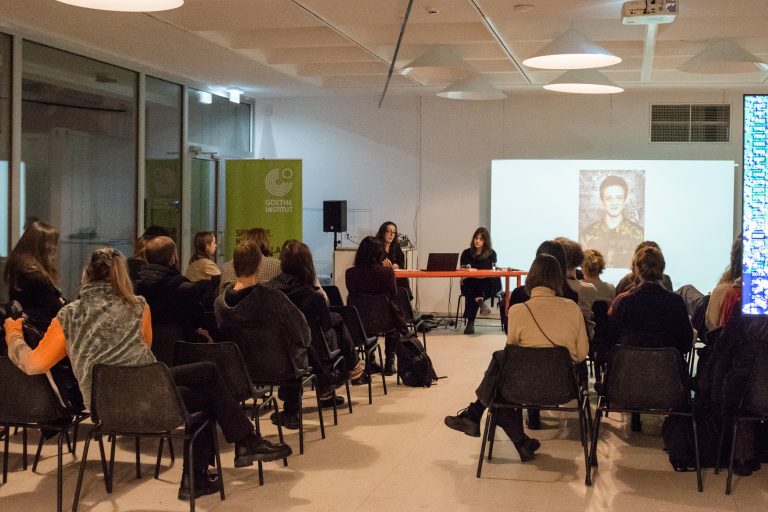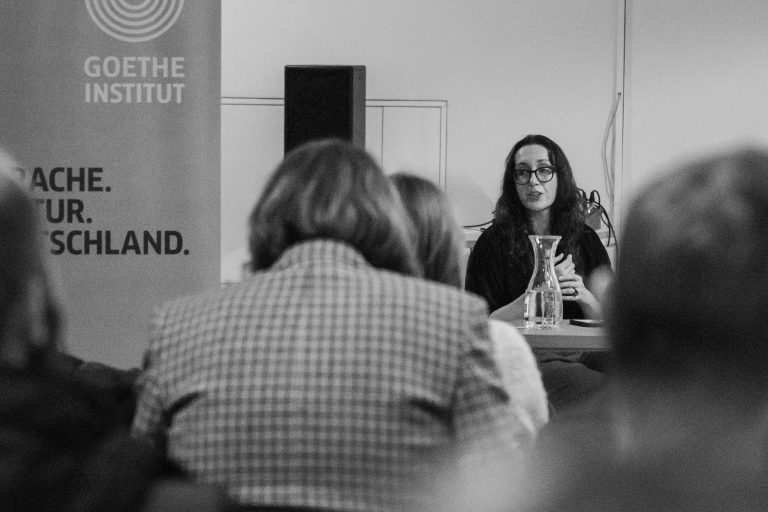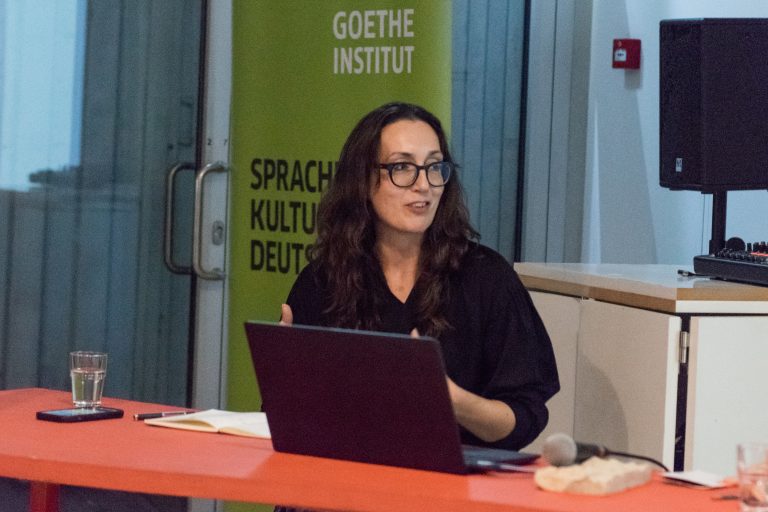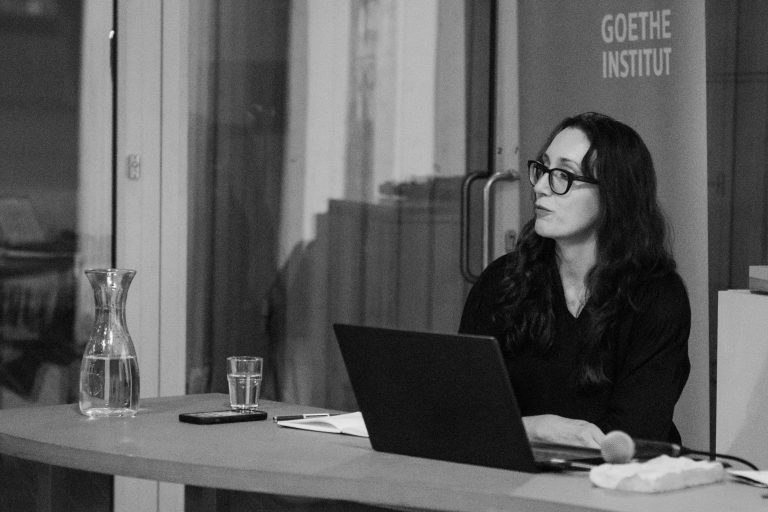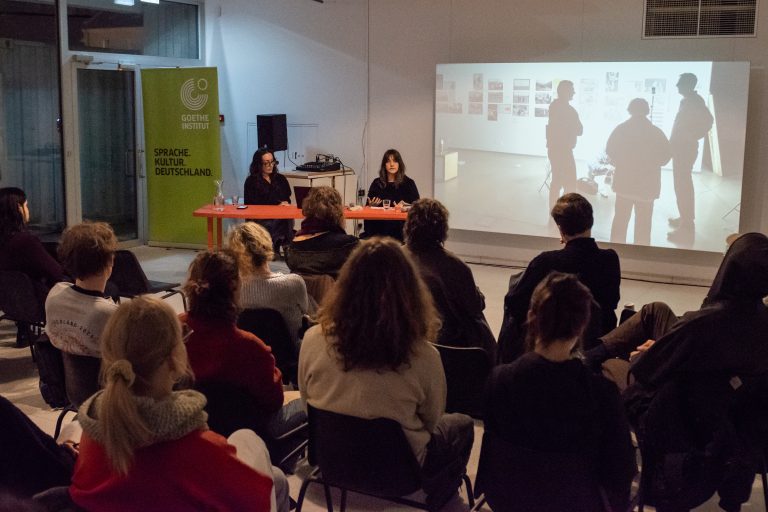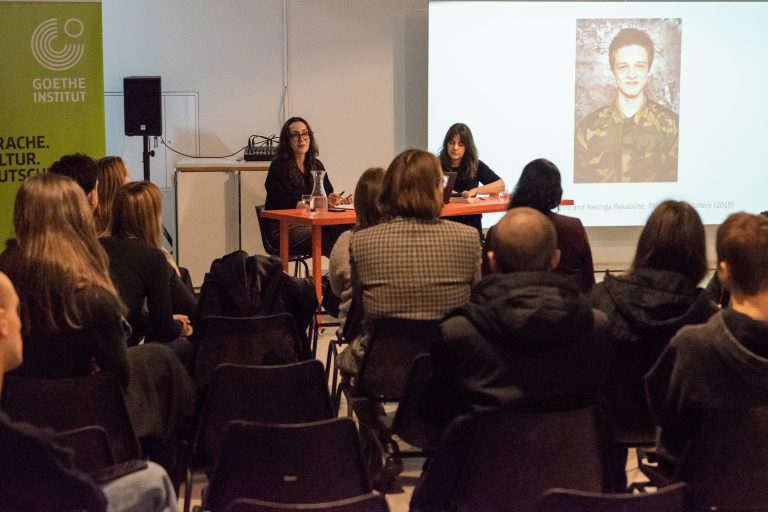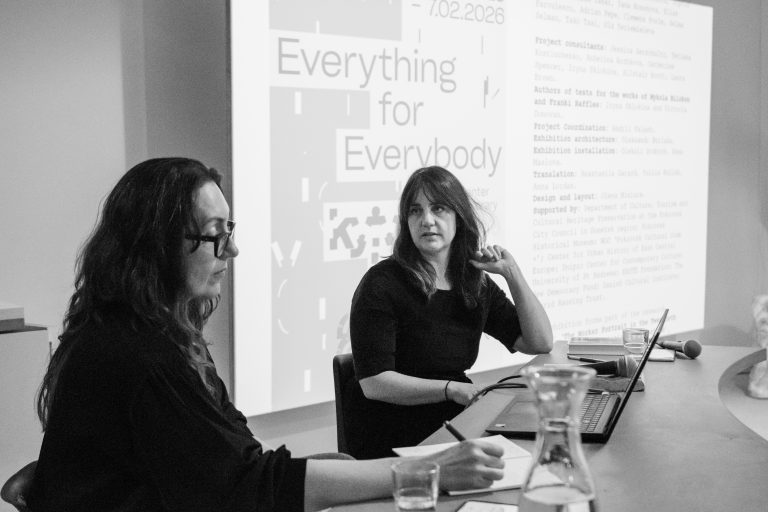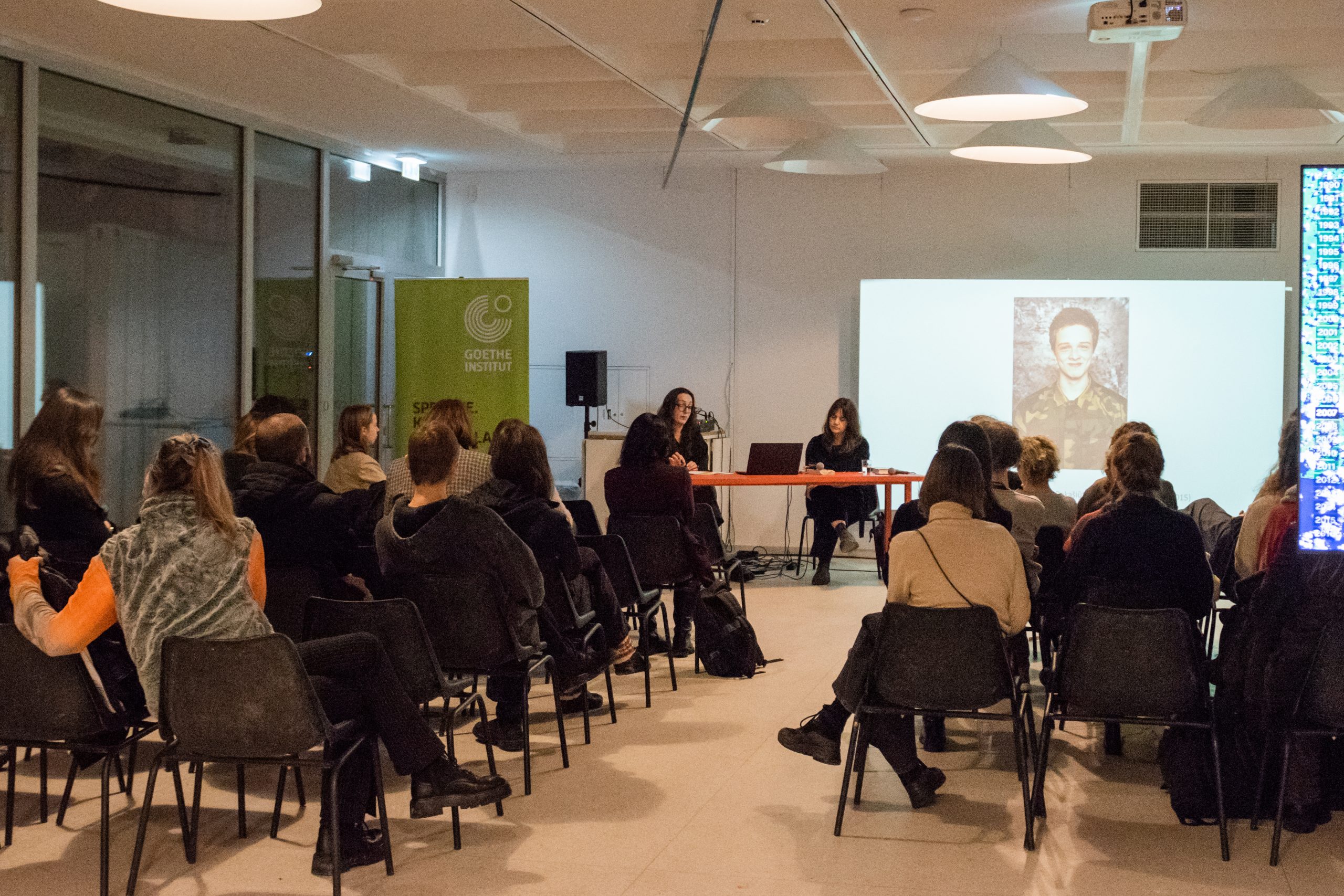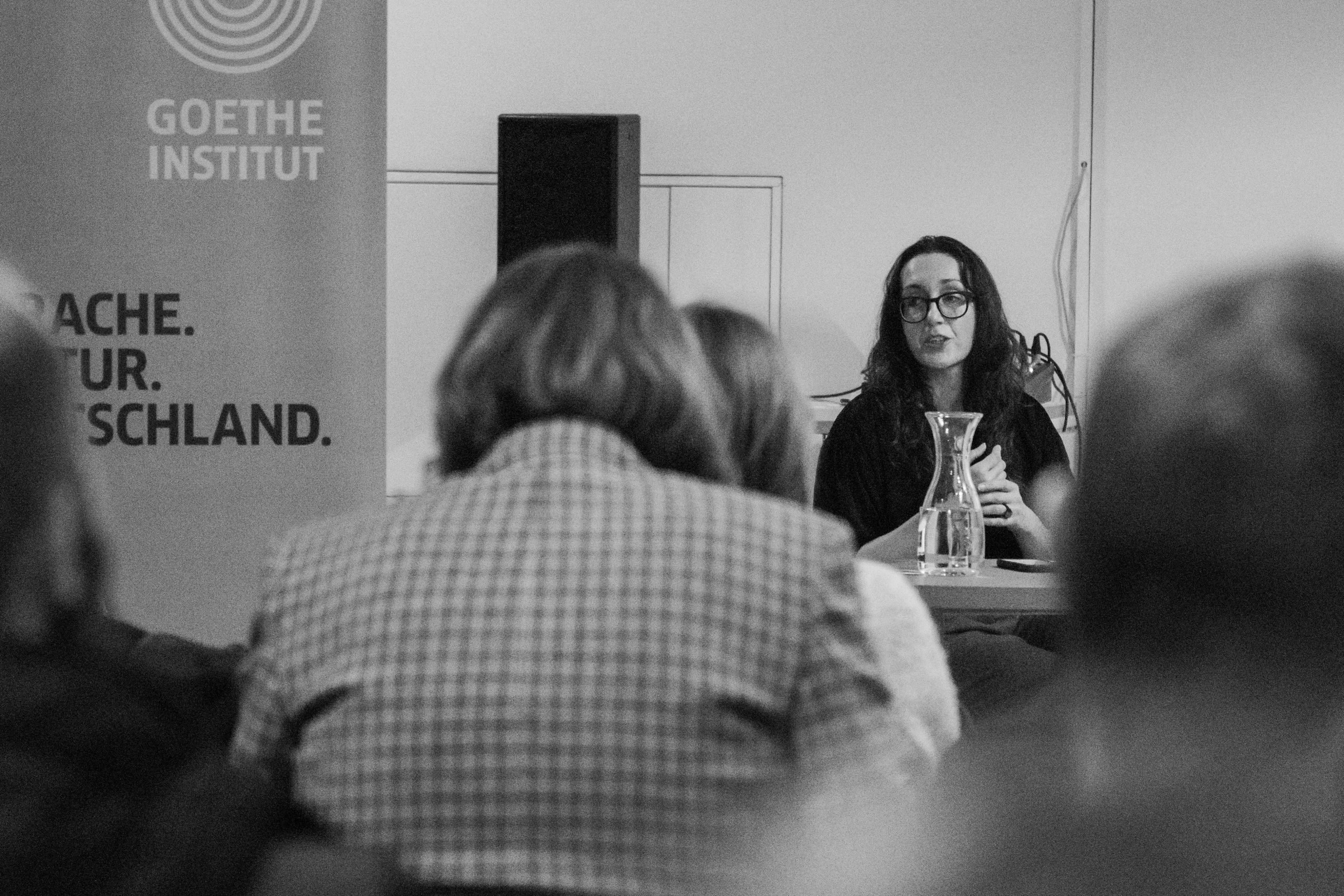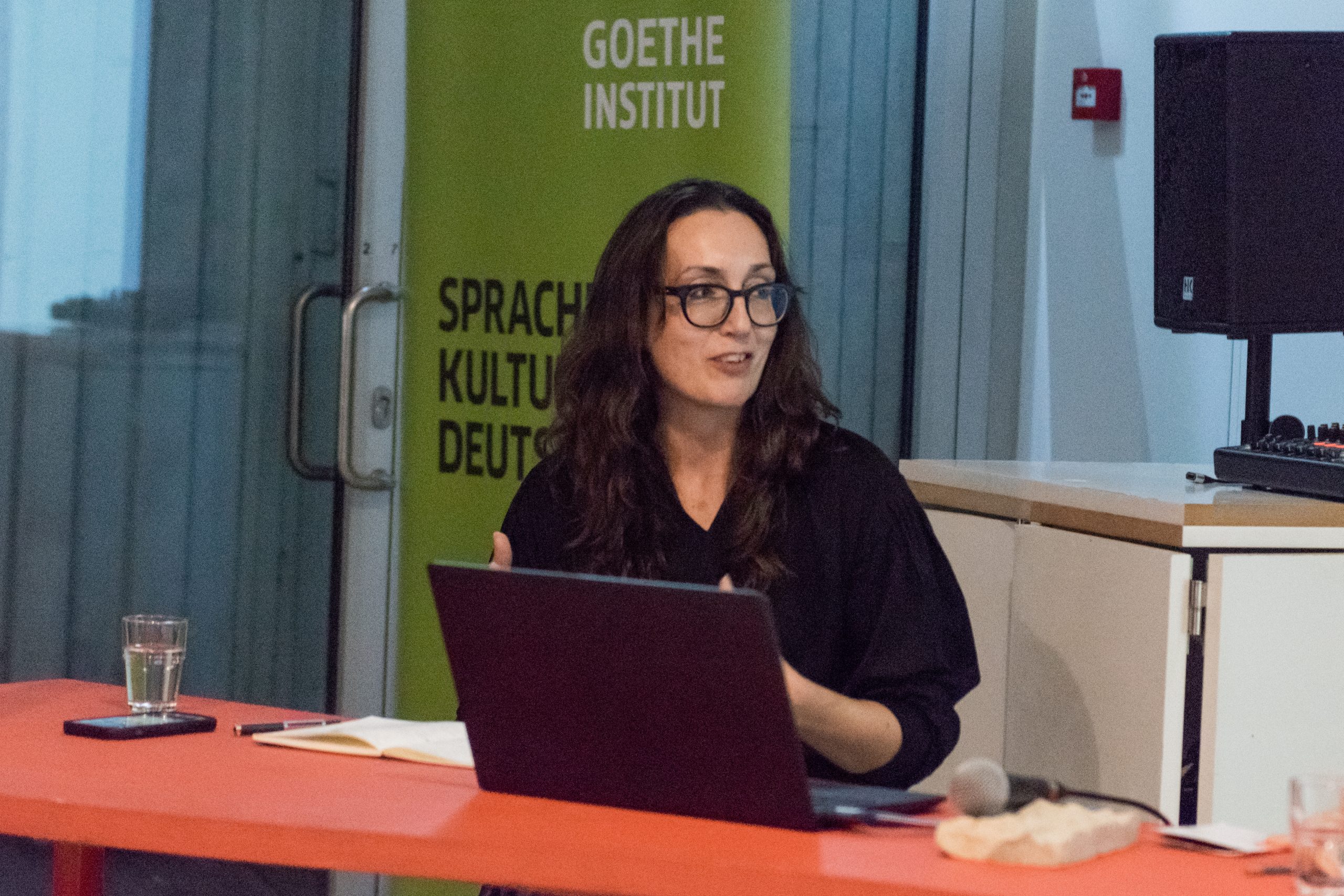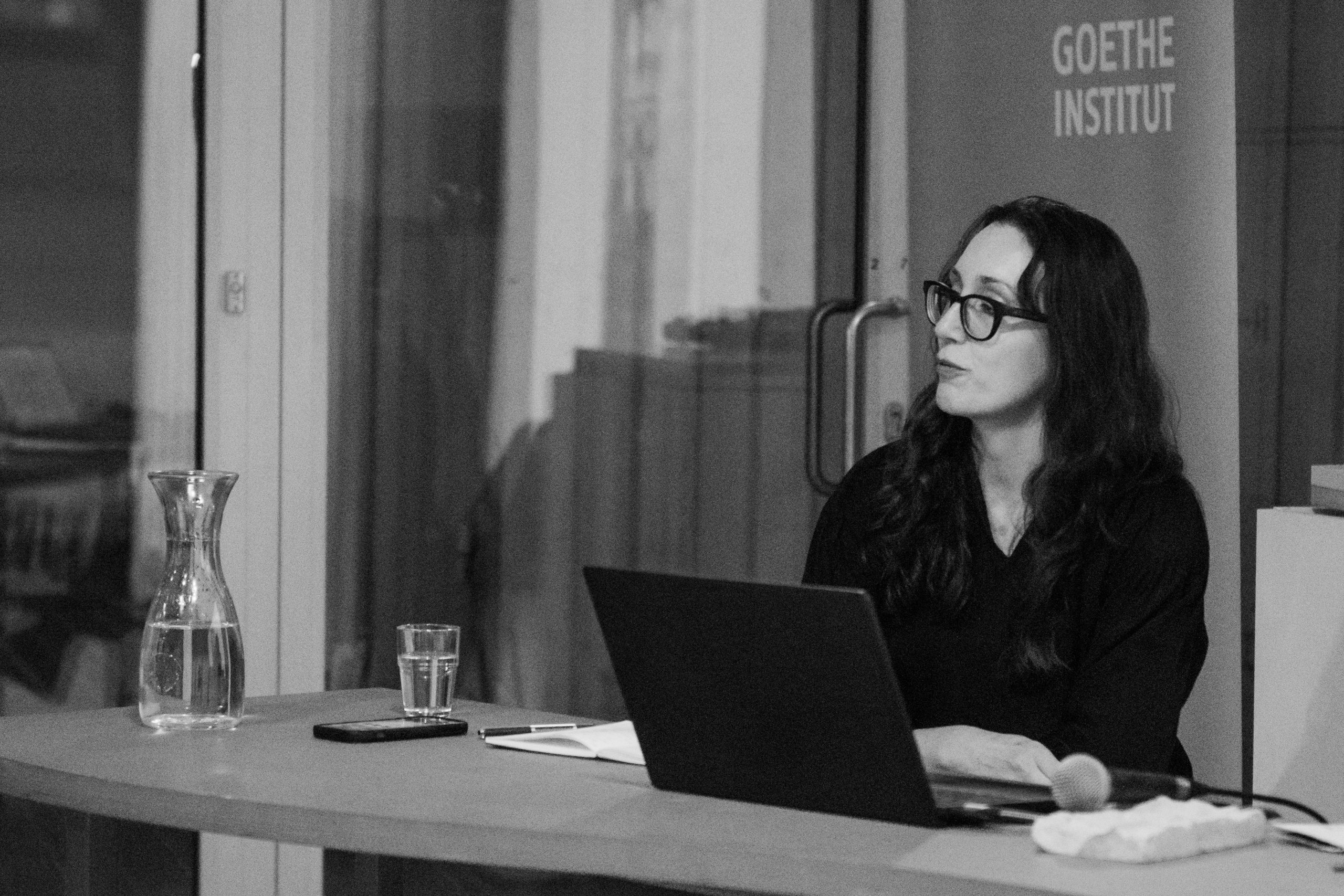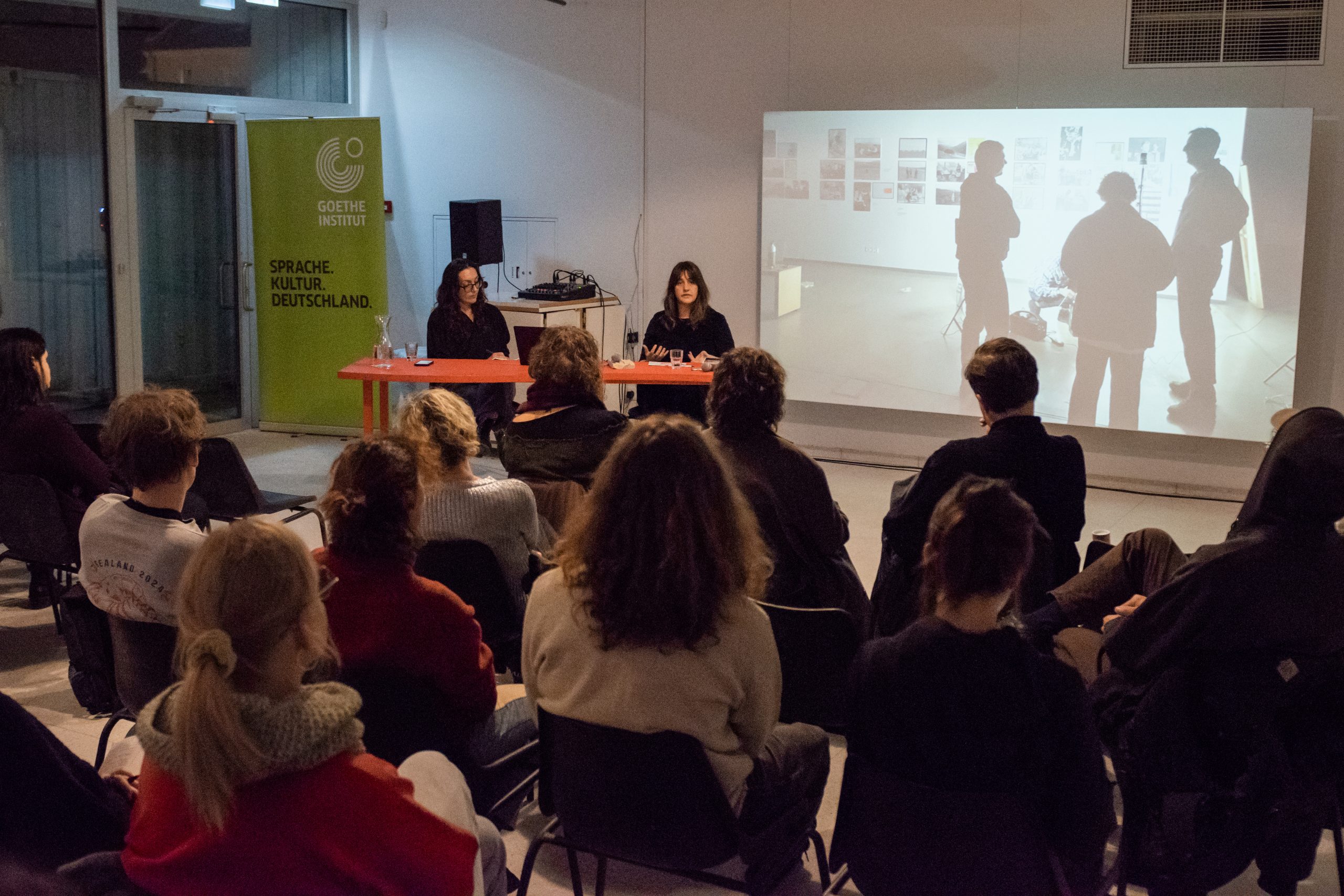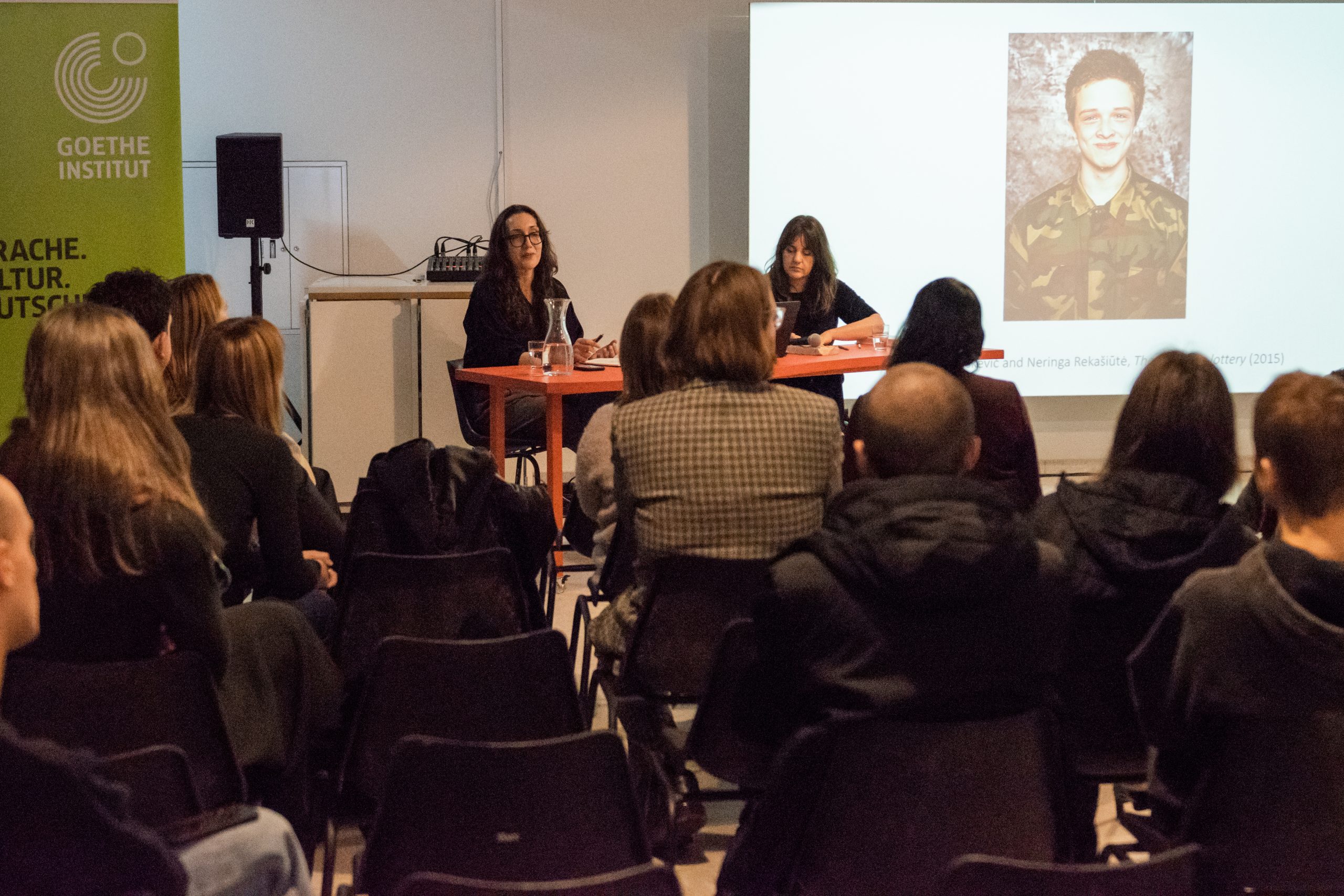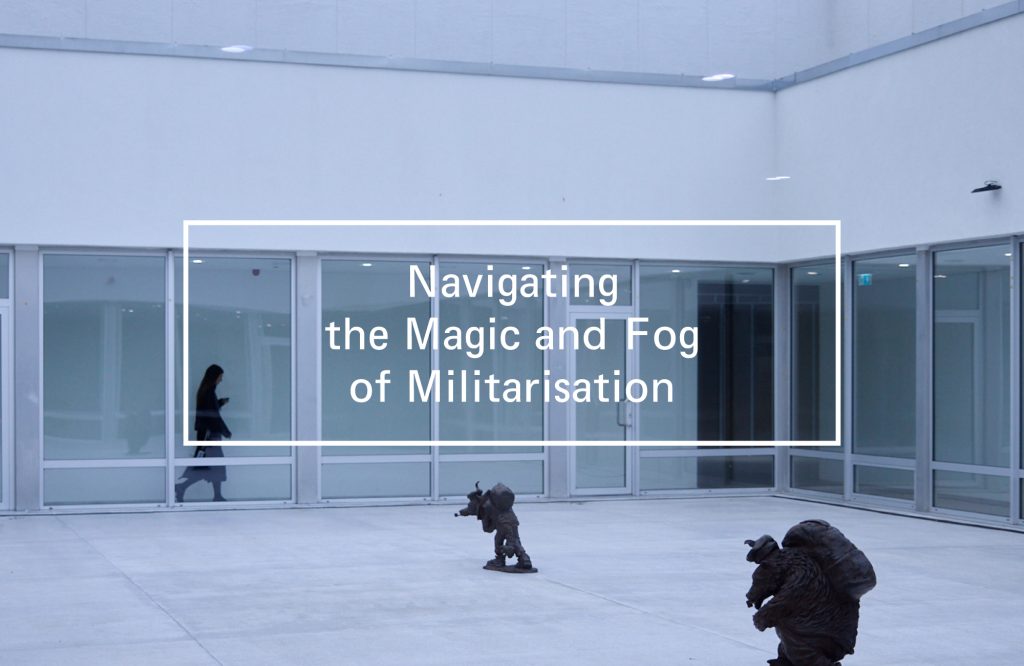
On Friday, 19 December at 6 p.m., the Contemporary Art Centre (CAC) Reading Room will host a conversation between two sociologists: Professor Eglė Rindzevičiūtė (Kingston University) and Professor Victoria Donovan (University of St Andrews), Professor of Ukrainian and East European Studies and Head of the university’s Centre for Global (Post)Socialisms. The discussion will address a shared theme: civic responsibility and ethics in the context of critical debates on militarisation.
The exhibition ‘Bells and Cannons’ and its programme of events form part of ‘Aspects of Presence’, a joint project organised by three partners – the CAC, the Goethe-Institut Lithuania, and the Akademie der Künste in Berlin. The project will conclude in 2026 with the publication of a dedicated book, making participation in the events an opportunity to get acquainted with the themes of the forthcoming volume and to hear discussions on the relationship between war, militarisation, and contemporary art.
ABOUT THE PARTICIPANTS
Prof EGLĖ RINDZEVIČIŪTĖ has a long-standing research interest in the historical development of evidence-based public policy, particularly the wider political impacts of scientific expertise. Much of her work has focused on the transnational organisation of knowledge during the Cold War. She has argued that system-cybernetic approaches and computer-based modelling served as a bridge between East and West, whereas within the Soviet Union, these approaches had a strong political and social impact, liberalising forms of authoritarian governance.
Among the key legacies of these developments are global climate change science and cybernetic and digital approaches to the study and governance of individual and collective behaviour. These arguments are presented in her book The Power of Systems: How Policy Sciences Opened Up the Cold War World (Cornell University Press, 2016).
More recently, Rindzevičiūtė delved into the problem of scientific prediction, as policy makers are increasingly expected to rely not only on diagnostic evidence about the past, but also on prognostic knowledge about the future. In her most recent book, The Will to Predict: Orchestrating the Future through Science (Cornell University Press, 2023), Eglė argues that there is a significant lack of critical awareness of the different forms of scientific prediction, which leads to inappropriate policy and management expectations.
Rindzevičiūtė received her PhD in Cultural Studies from Linköping University in 2008, which was followed by postdoctoral research at the Gothenburg Research Institute, Linköping University and Sciences Po in Paris. She joined Kingston University London in 2015, where she is now Professor of Criminology and Sociology. She is also a visiting researcher at Vilnius University/(Post)Authoritarian Landscapes Research Centre.
VICTORIA DONOVAN is Professor of Ukrainian and East European Studies and Director of the Centre for Global (Post)socialisms at the University of St Andrews. She works at the intersection of heritage studies, urban history, visual anthropology, and the public humanities. She is the co-producer of academic research, literature, exhibitions, archives, community workshops, and artistic practice exploring the industrial history and heritage of eastern Ukraine and the UK.
Her work has received numerous grants and prizes, including a British Academy Rising Star Engagement Award, an AHRC/BBC New Generation Thinker award, and, in 2023, a European Heritage Award/EuropaNostra Award for Citizens’ Engagement and Awareness Raising, awarded in partnership with the Centre for Urban History in Lviv. She is the author of Chronicles in Stone: Preservation, Patriotism, and Identity in Northwest Russia (Cornell University Press, 2019); Limits of Collaboration: Art, Ethics, and Donbas (Rosa Luxemburg Stiftung, 2022); and Life in Spite of Everything: Tales from the Ukrainian East (Daunt Books Publishing, 2025).
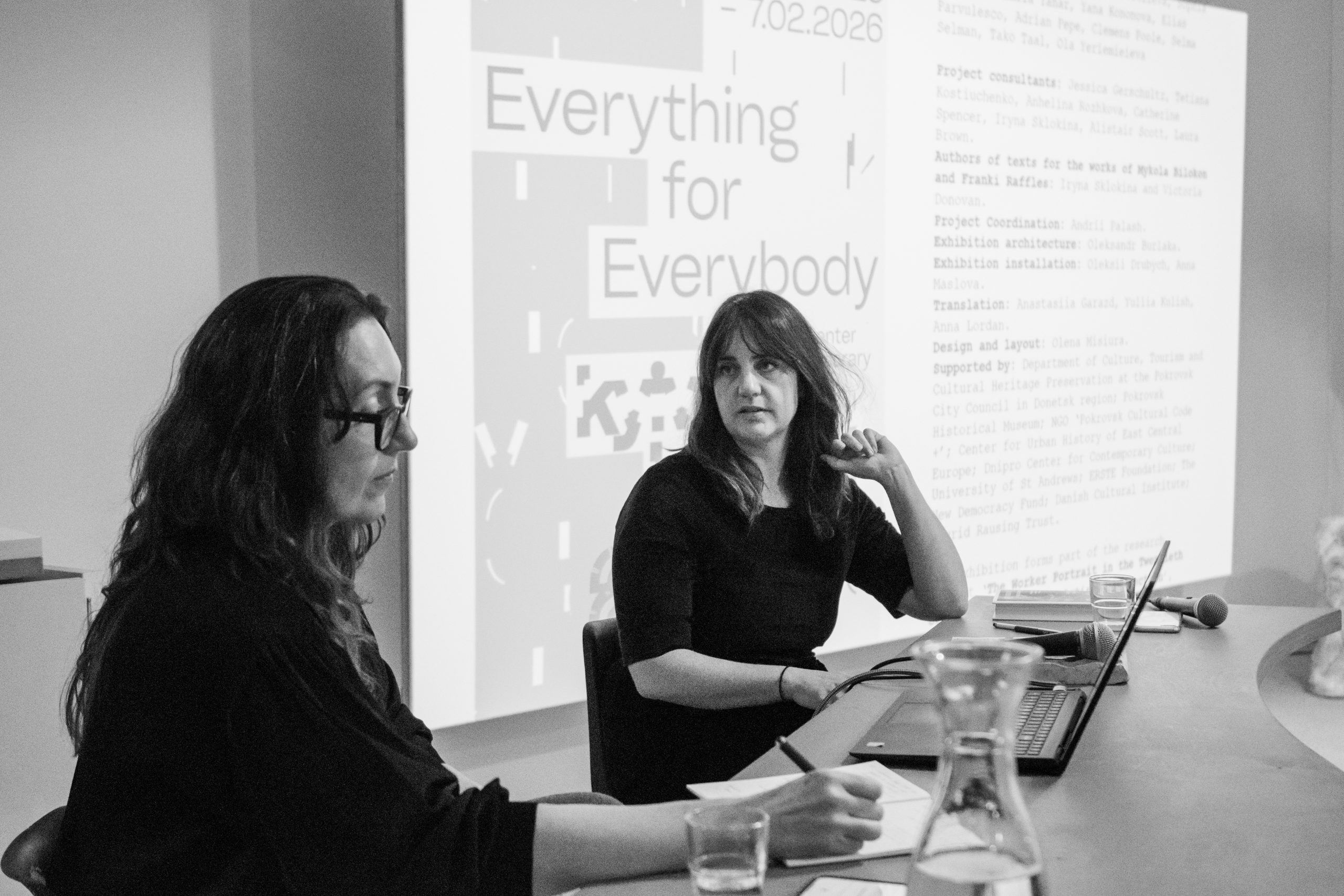
Dovovan is also co-curator of the Kyiv Biennale exhibition ‘Everything for Everybody’, an exploration of archives, war, and solidarity, at the Dnipro Center for Contemporary Culture.