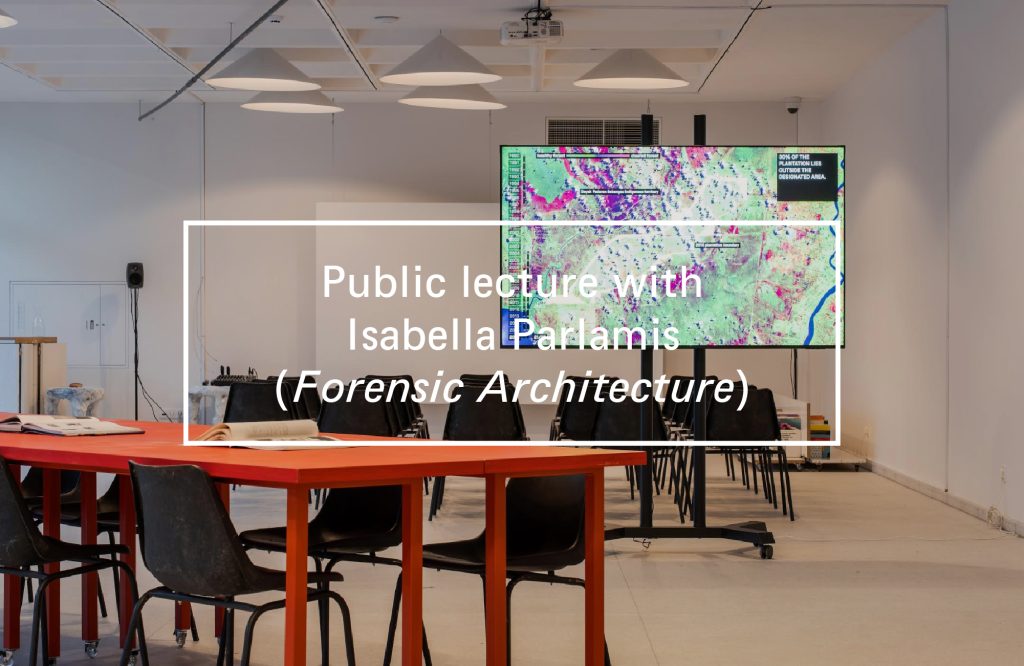
On Wednesday, 28 January, at 6.30 pm, a hybrid public lecture will take place in the CAC reading room, featuring Isabella Parlamis, producer and editor at the interdisciplinary academic research agency Forensic Architecture (FA).
What new forums can be activated towards social and political change today? The shifting world order and post-truth media landscape have transformed the traditional sites and practices of social and political negotiation. Focusing on the investigative work of Forensic Architecture (FA), this lecture will explore how and where advanced tools from the creative fields of architecture, design, and web development can be mobilised towards change. Particular attention will be given to the afterlives of FA investigations within the various forums they impact — from courts and parliamentary inquiries, citizen’s tribunals, international media, public events, and exhibitions.
Event will be held in English. Participation in the event is free of charge.
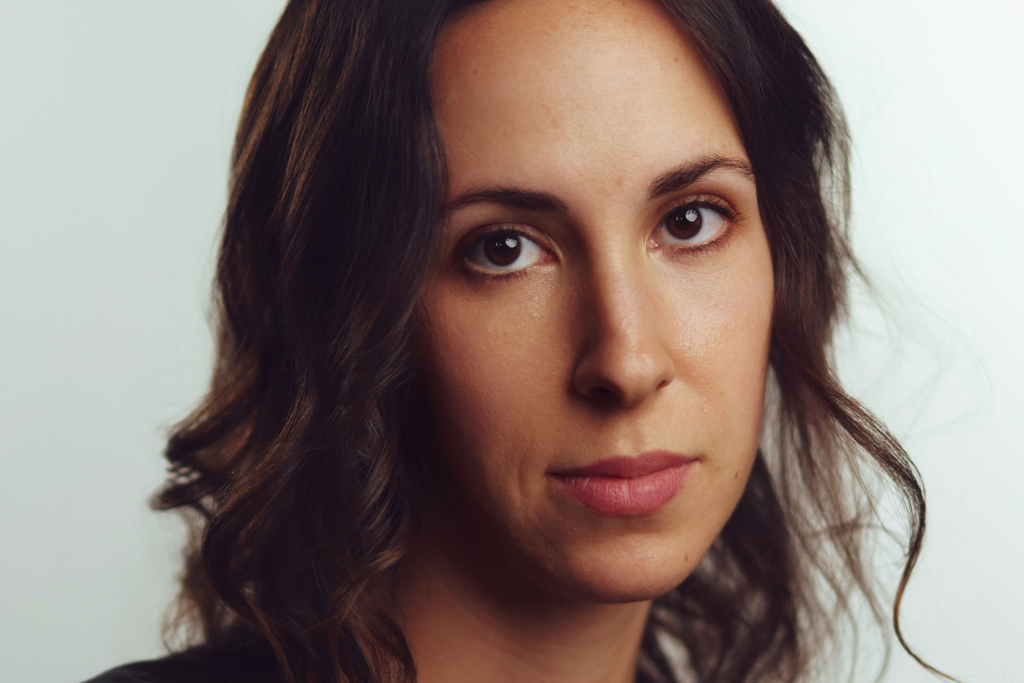
ISABELLA PARLAMIS is a producer and editor who supports Forensic Architecture’s public programme, editorial process, and operations. Isabella has held positions in public and educational programming at the Institute of Contemporary Art, Los Angeles (ICA LA) and the de Young Museum in San Francisco. She has curated film, sound, and writing programmes at institutions such as the Berkeley Art Museum & Pacific Film Archive (BAMPFA), Gray Area Grand Theater, Fort Mason Center for Arts & Culture, and Goldsmiths Centre for Contemporary Art. Her writing is published in Hyperallergic and The Yellow Pages and she is currently a Contributing Editor for the London-based publisher Fieldnotes.
She holds a BA in History of Art from the University of California, Berkeley and an MA in Contemporary Theory from Goldsmiths, University of London.
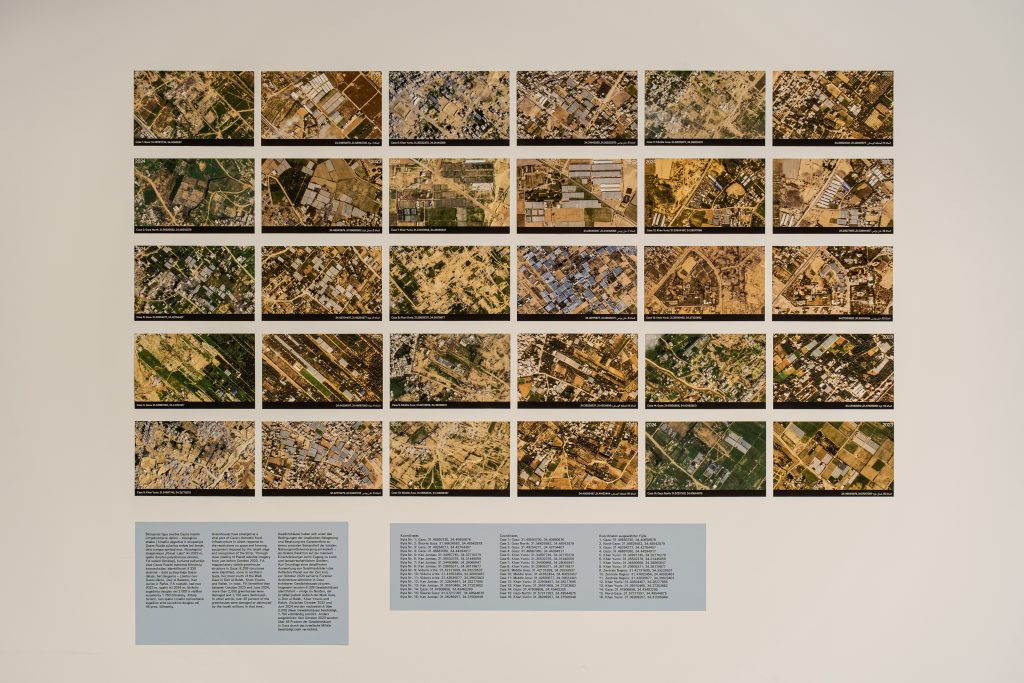
FORENSIC ARCHITECTURE (FA) is both an interdisciplinary academic field and a university research agency operating at the intersection of human rights, journalism, architecture, art, academia, and law. FA works in partnership with institutions across civil society—grassroots activists, legal teams, international NGOs, and media organisations—to carry out investigations with and on behalf of communities and individuals affected by state or corporate violence. FA’s investigations employ pioneering techniques in spatial and architectural analysis, open source investigation, digital modelling, and situated interviewing. Findings have been presented in international courtrooms, parliamentary inquiries, citizen’s tribunals, exhibitions at leading cultural institutions, and across international media.
Photography and/or filming may take place during the event. Photographs and/or video recordings may be used to promote the event on social media, websites, in the media, and elsewhere.