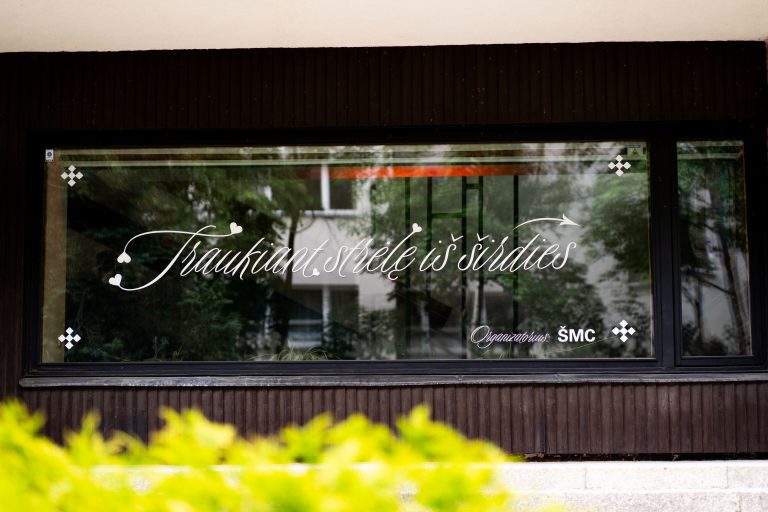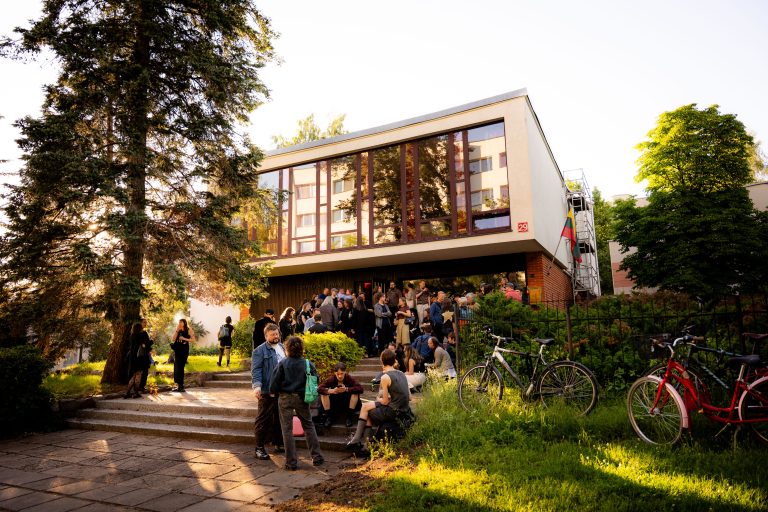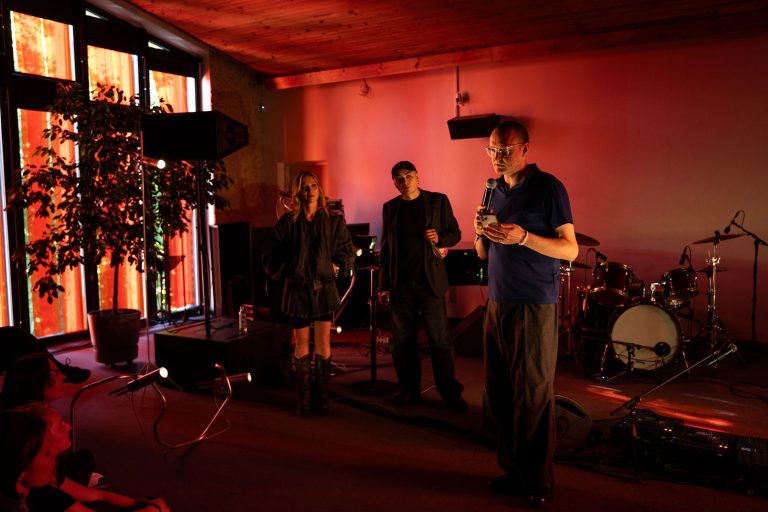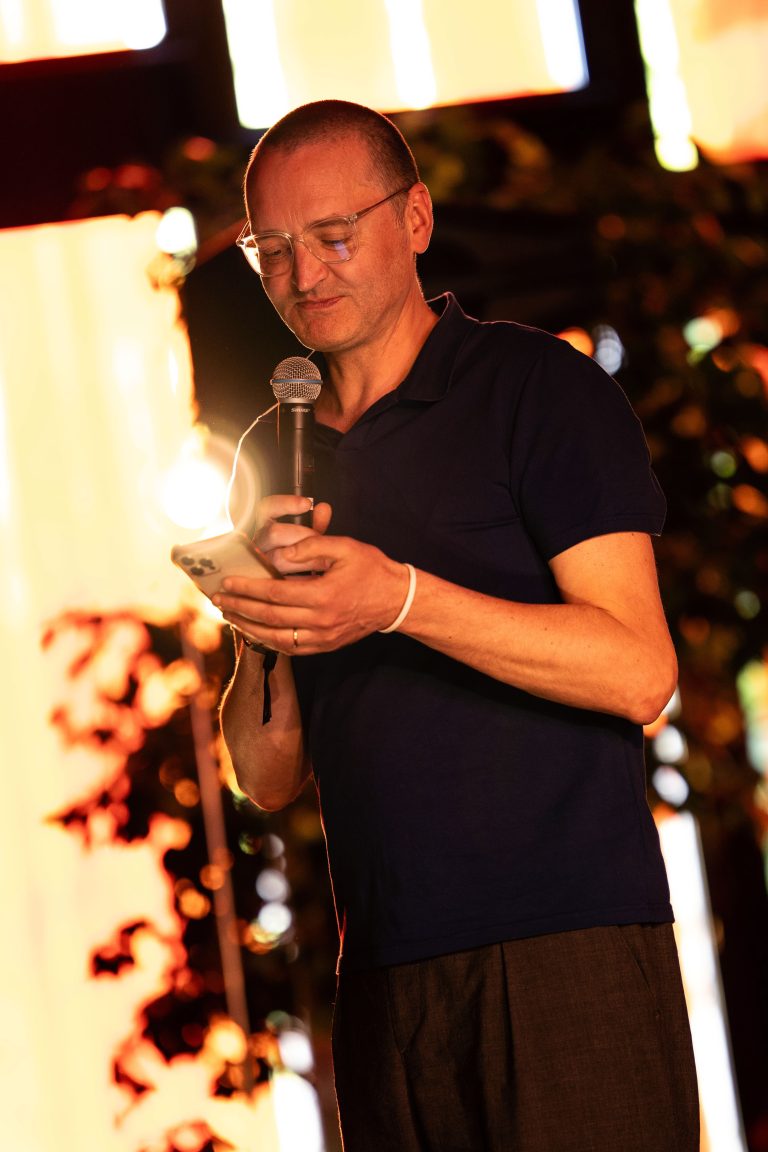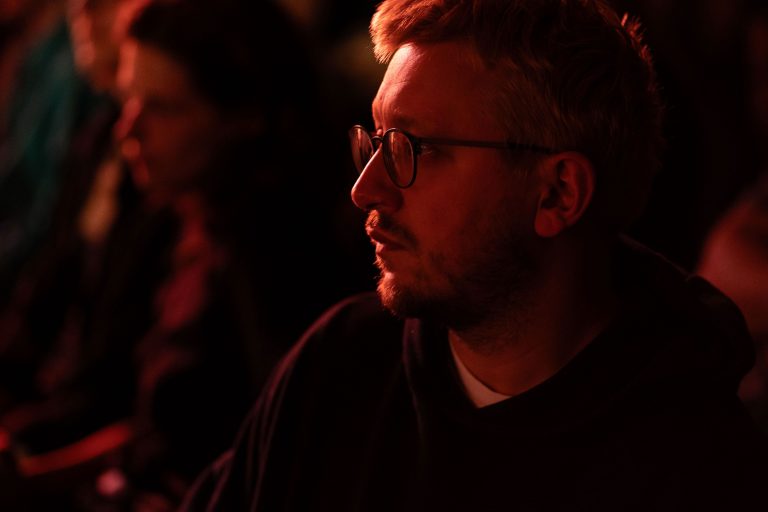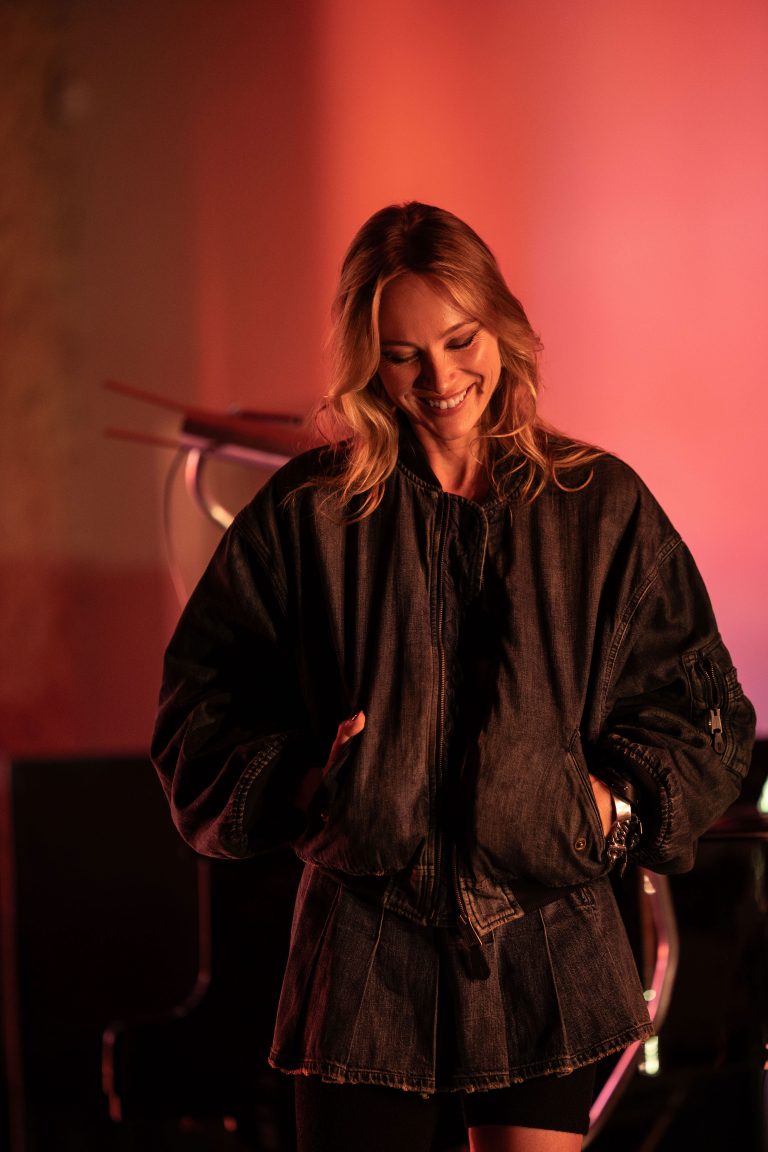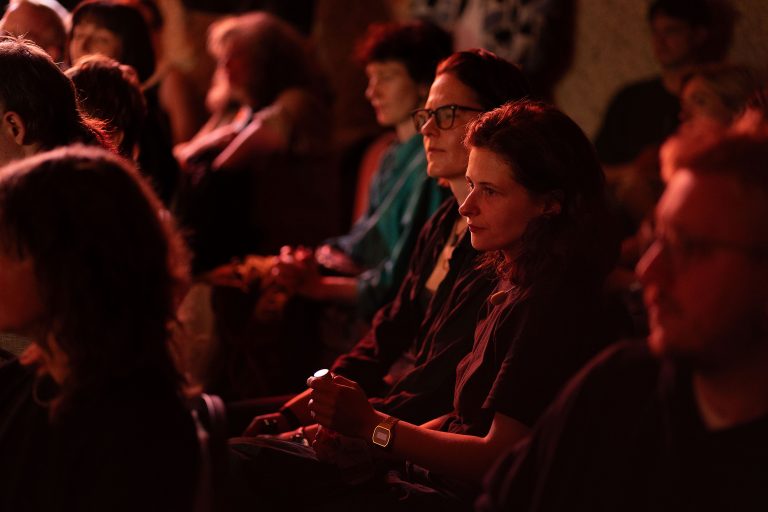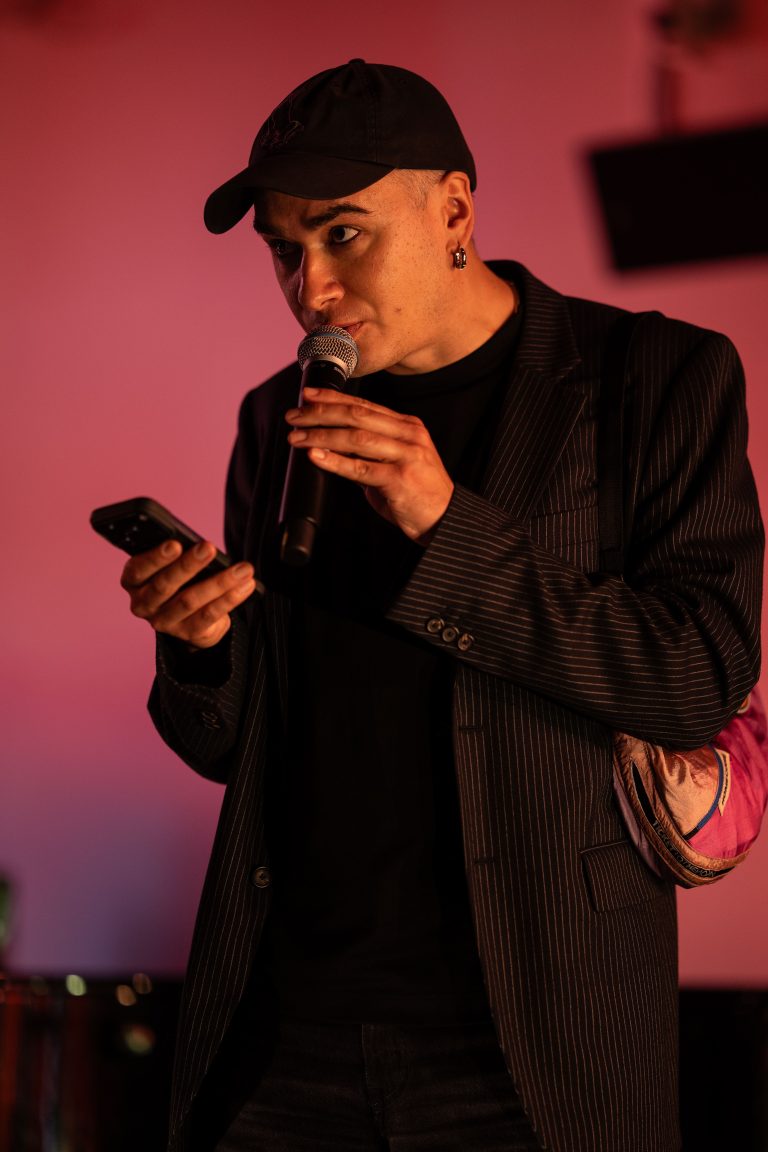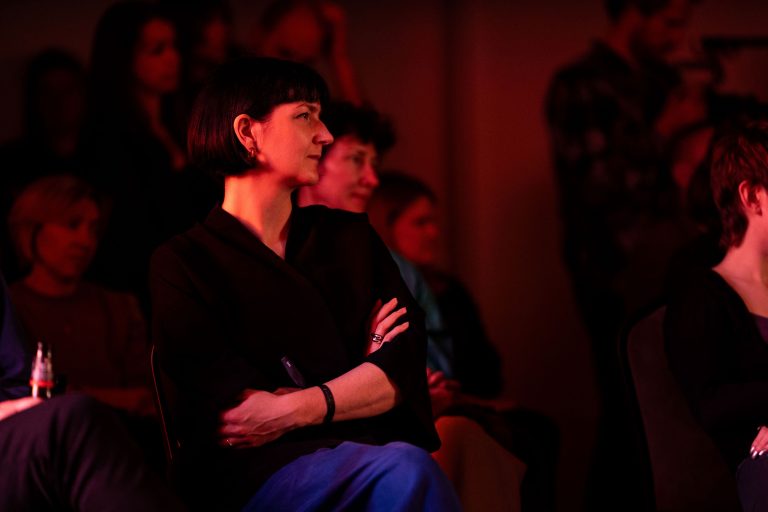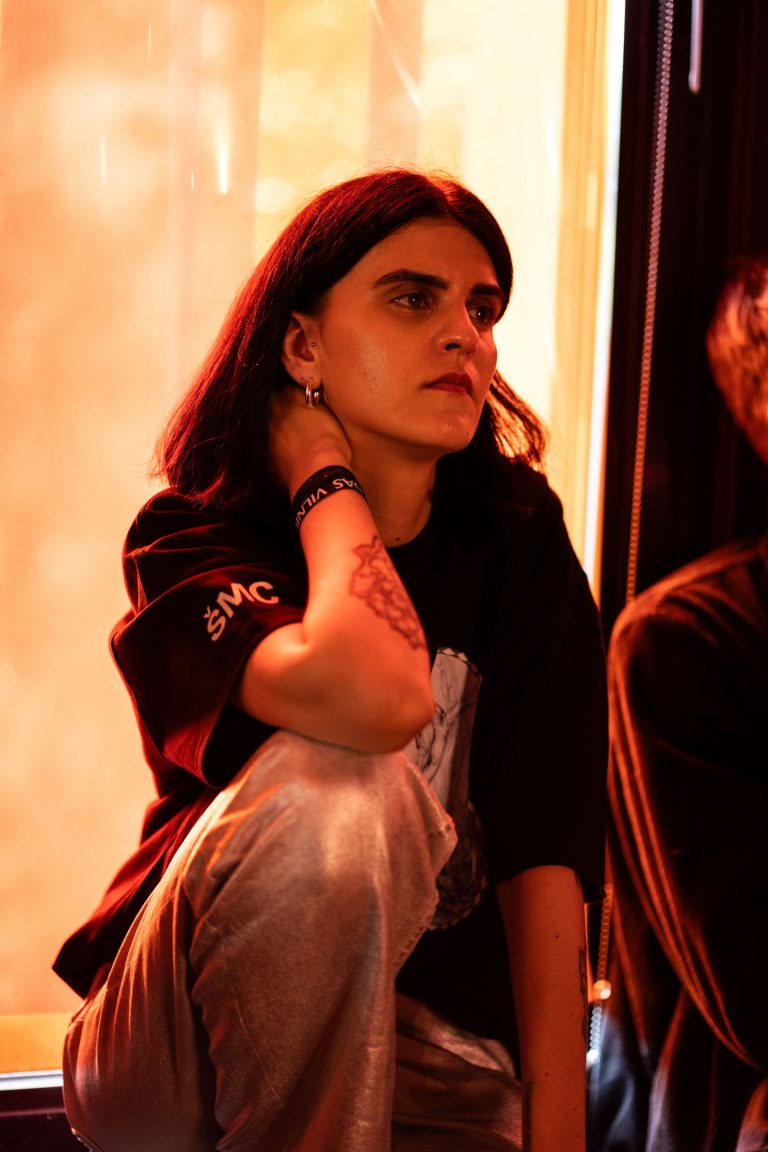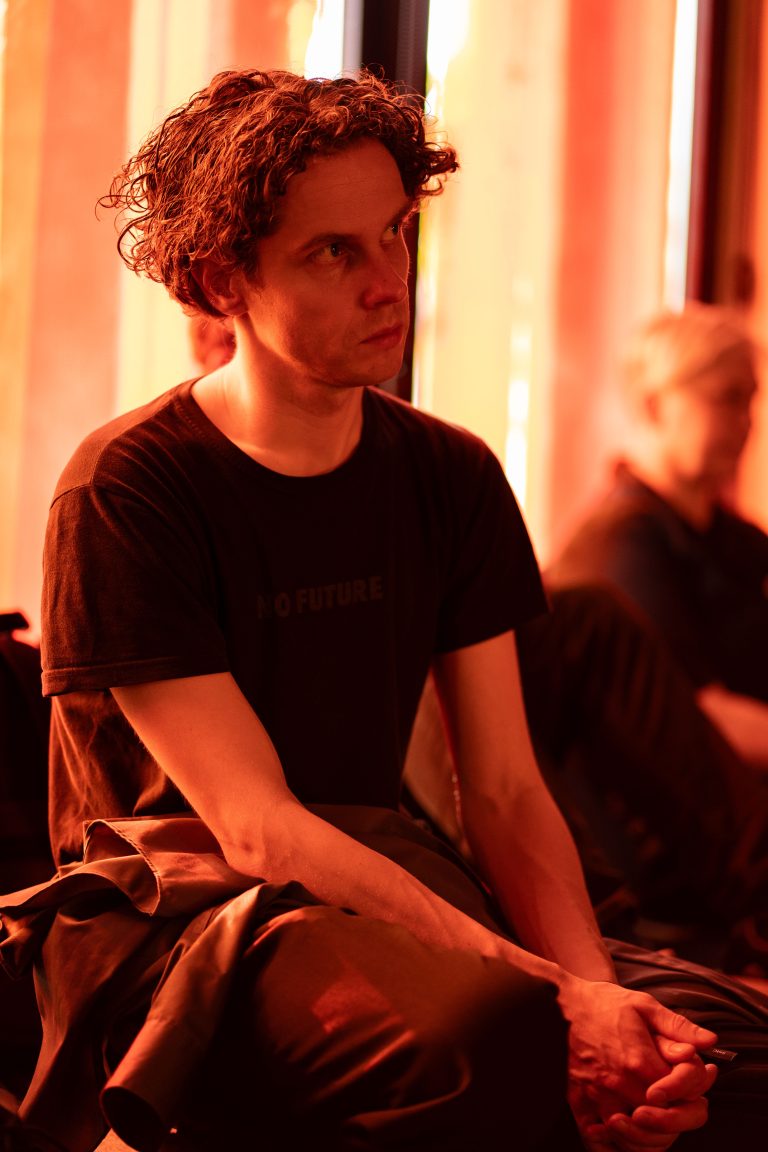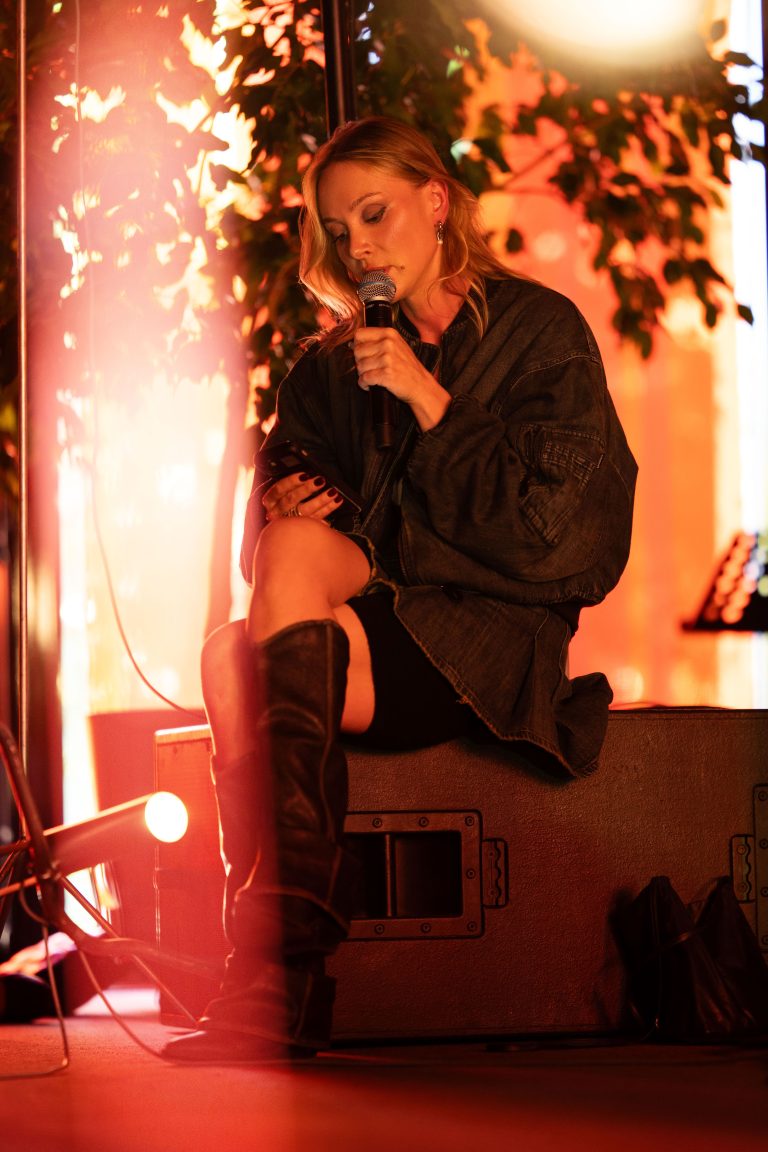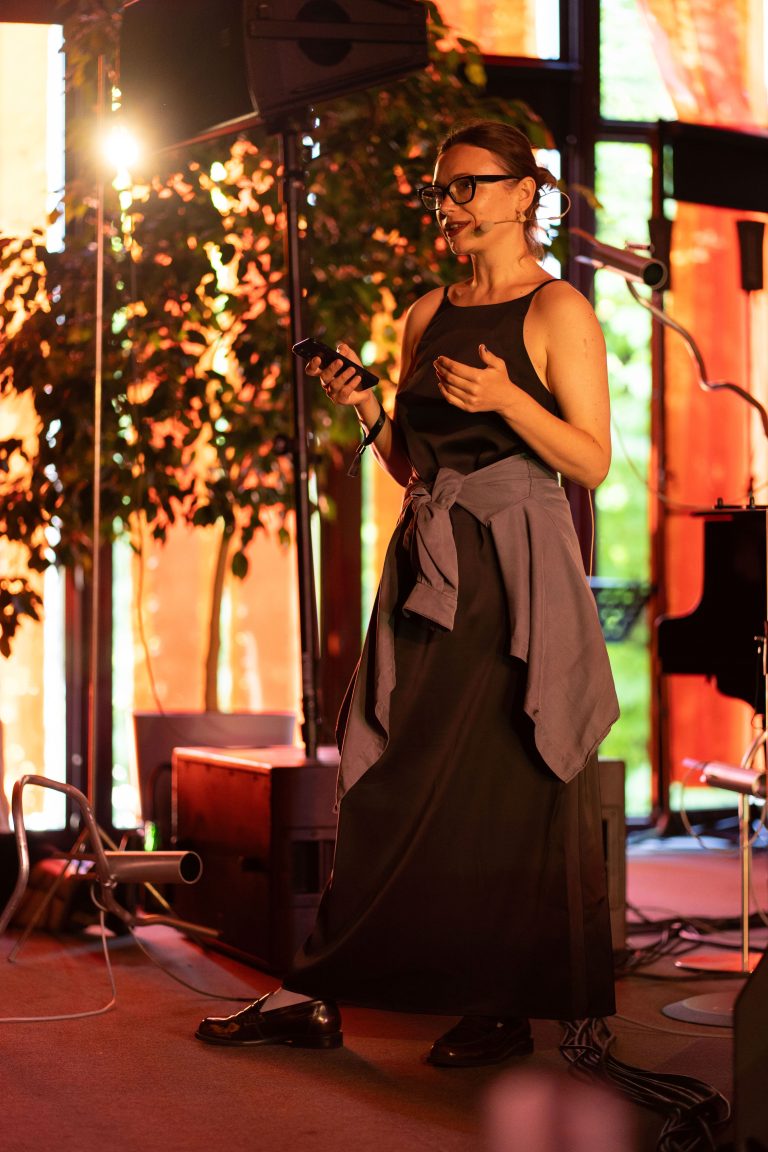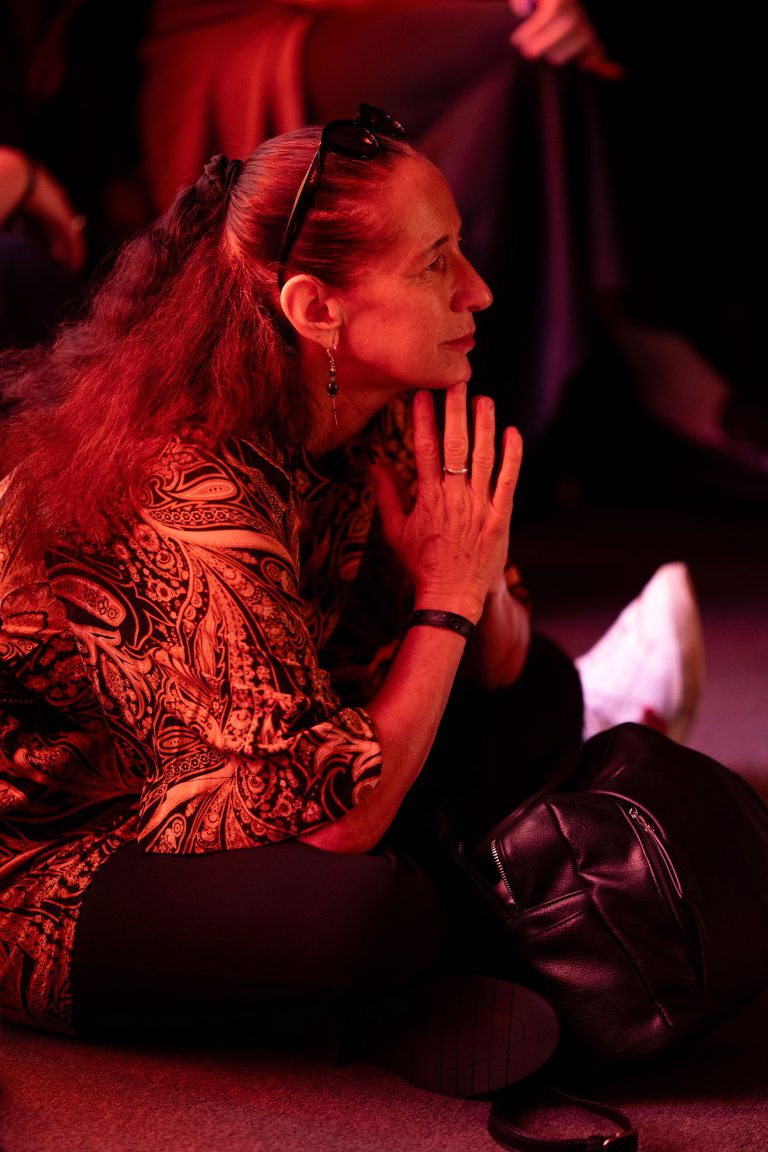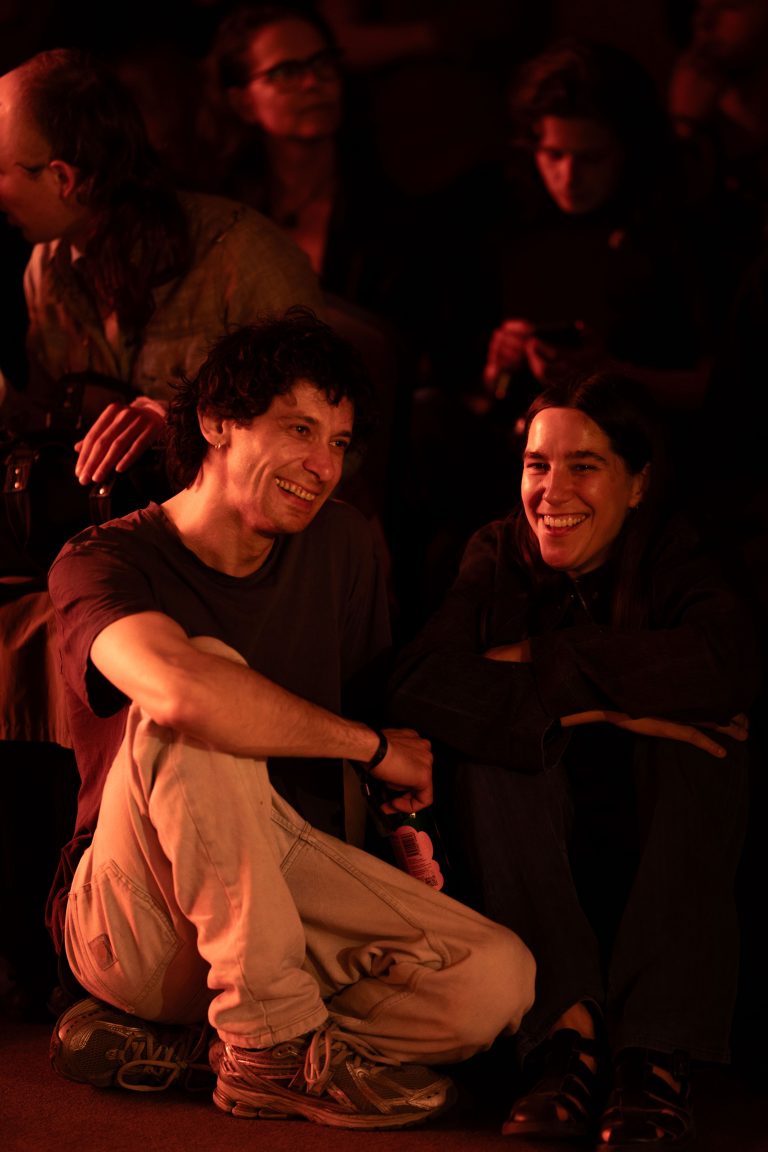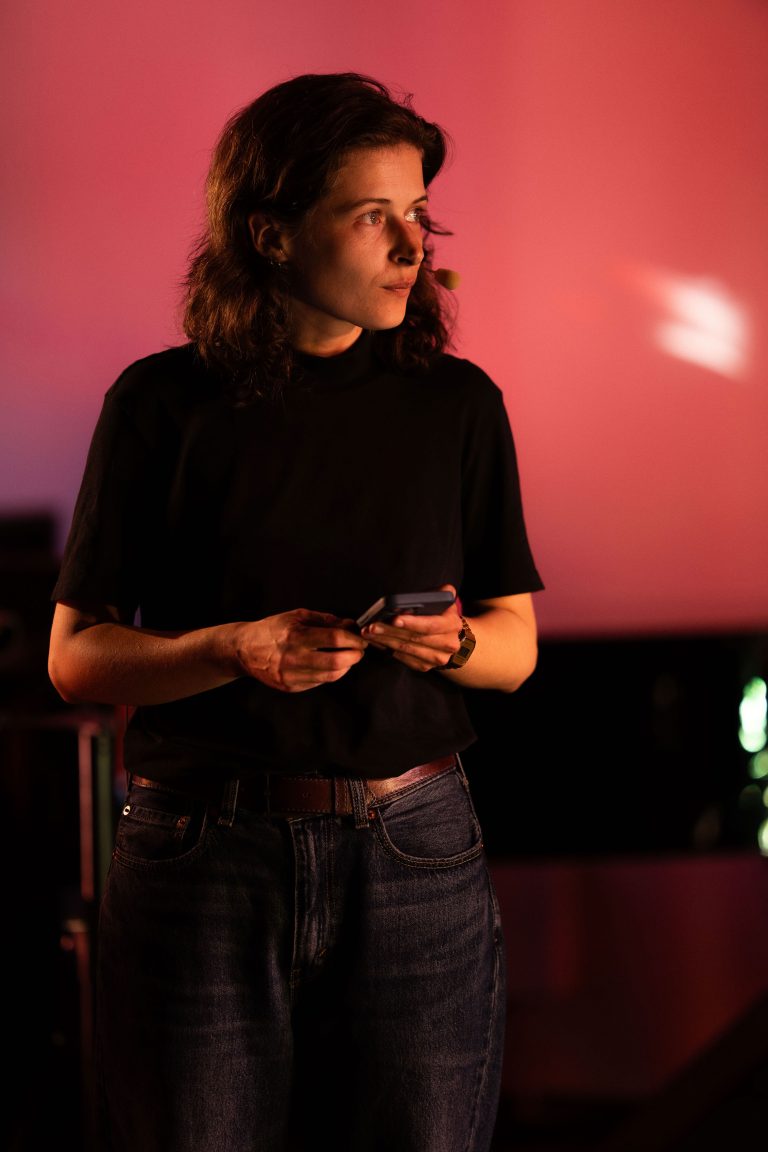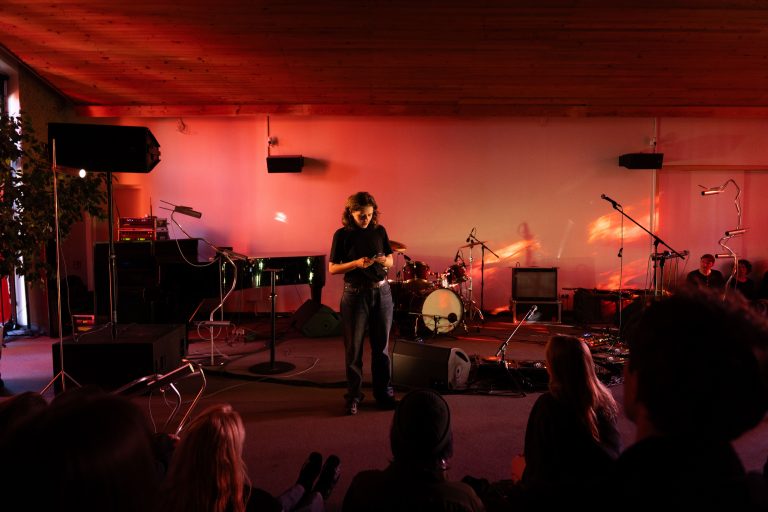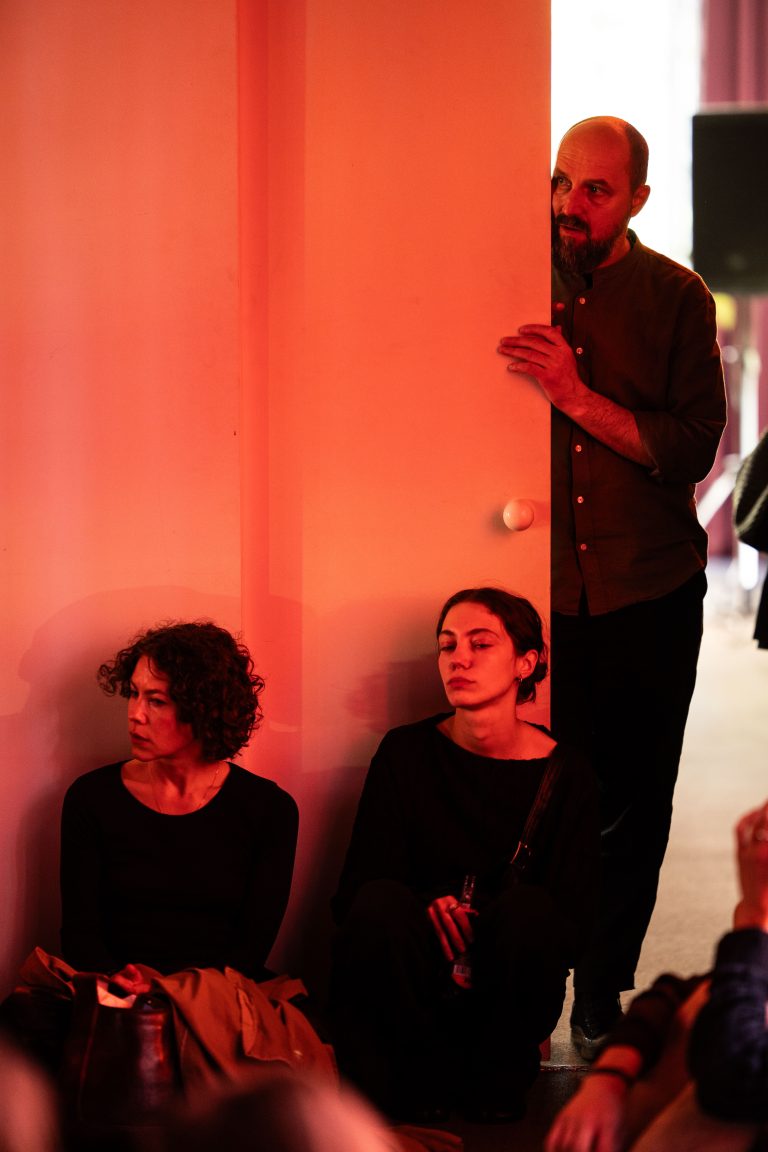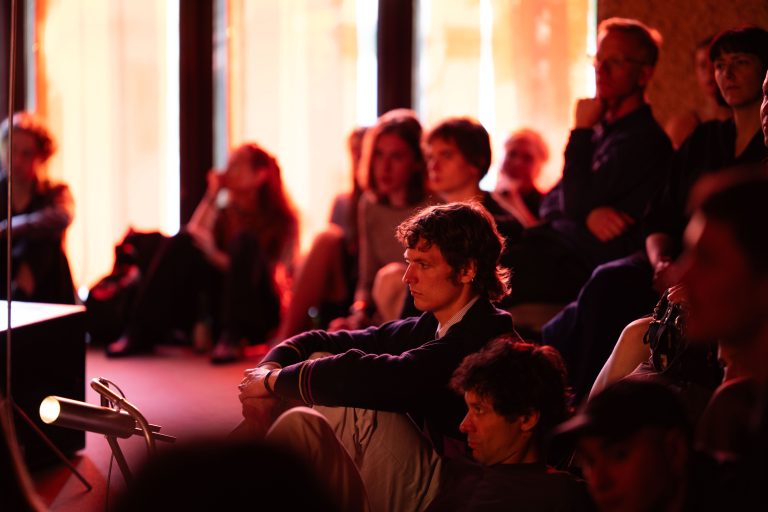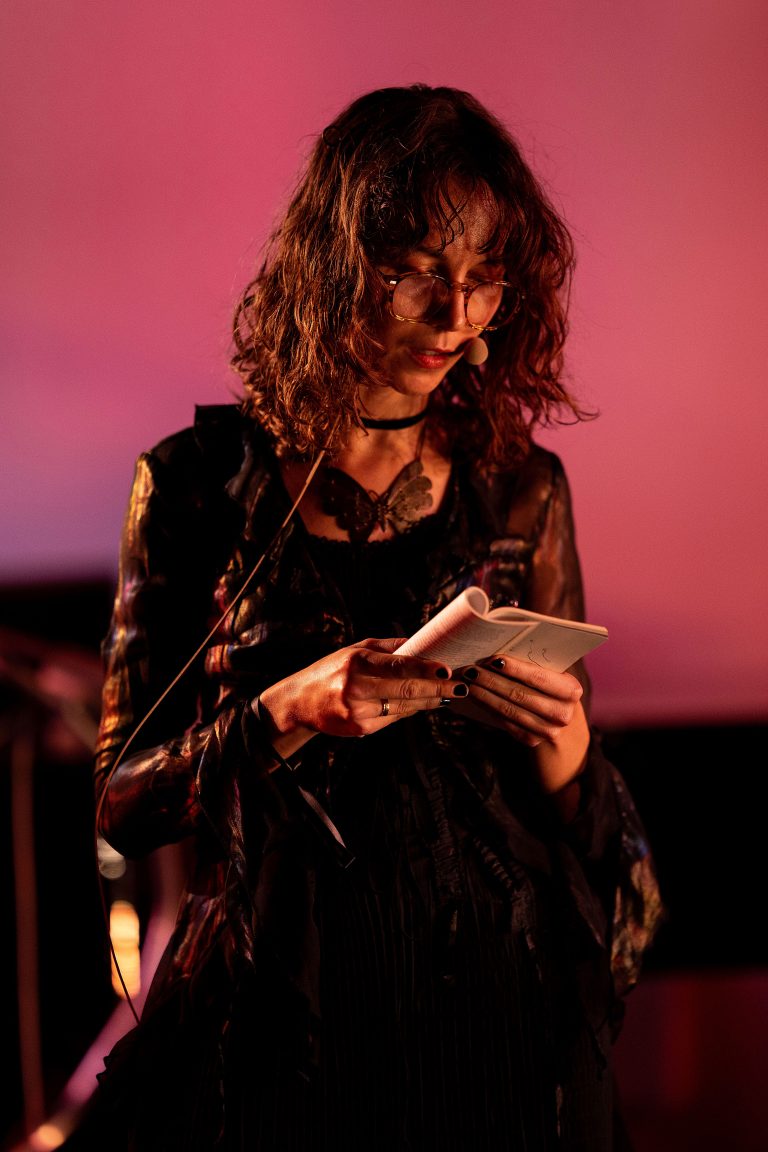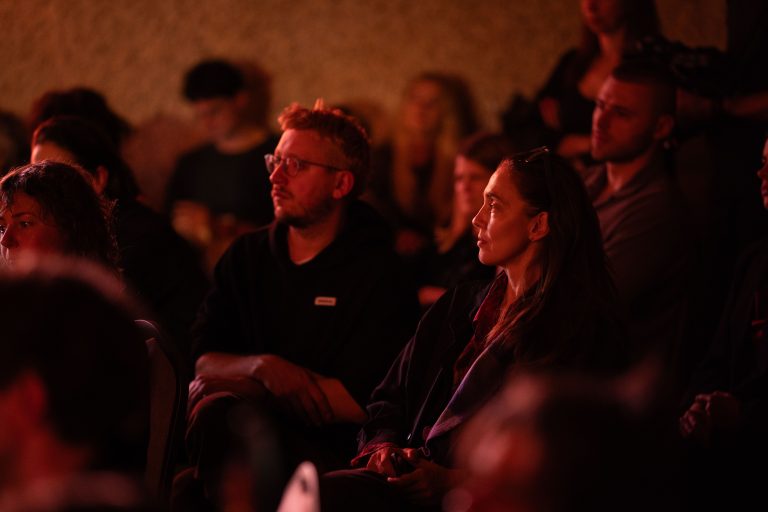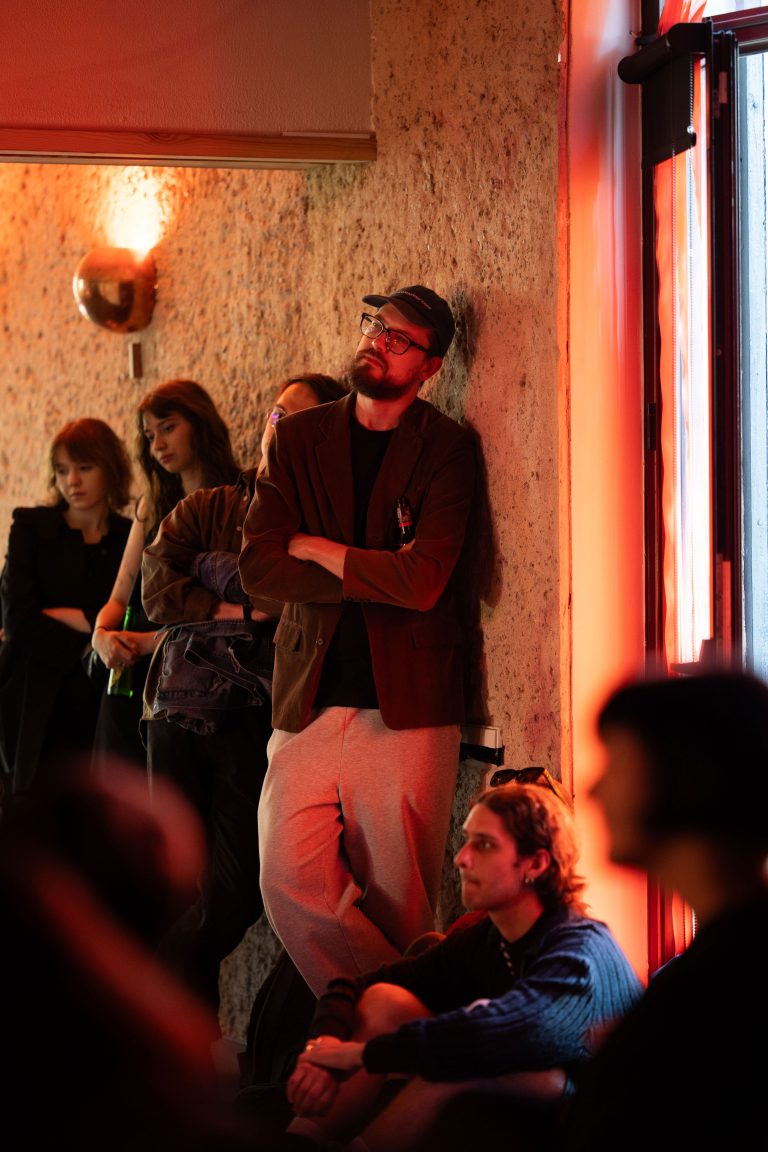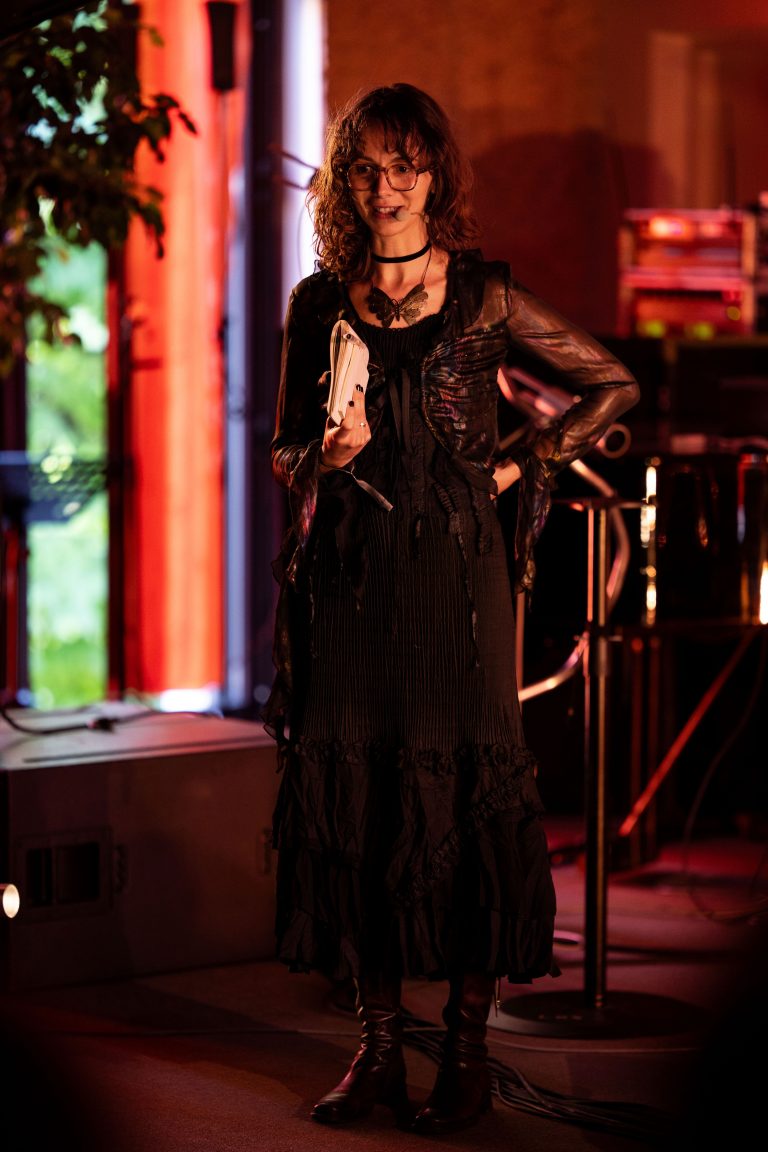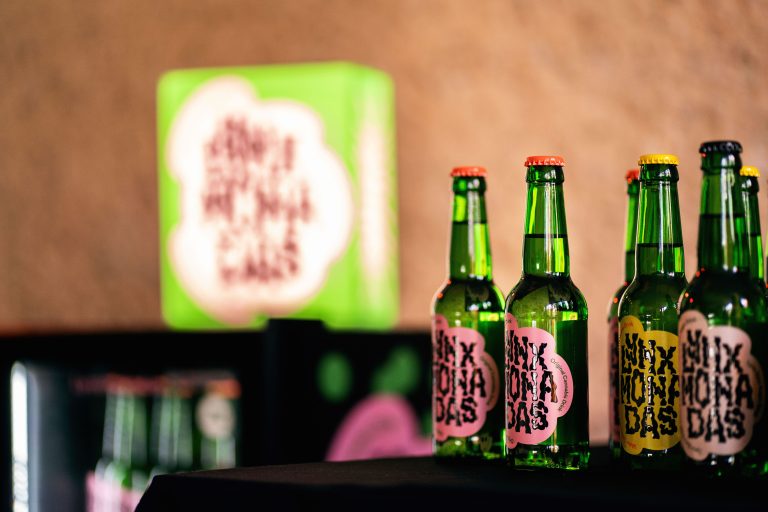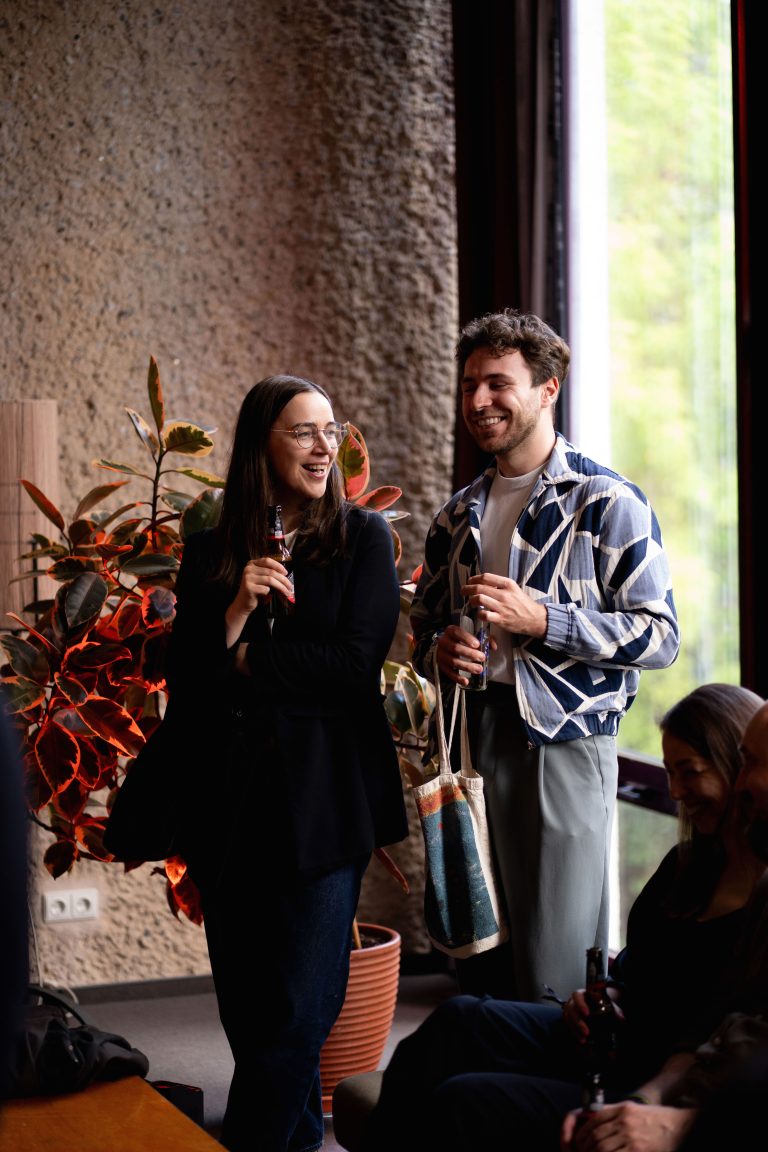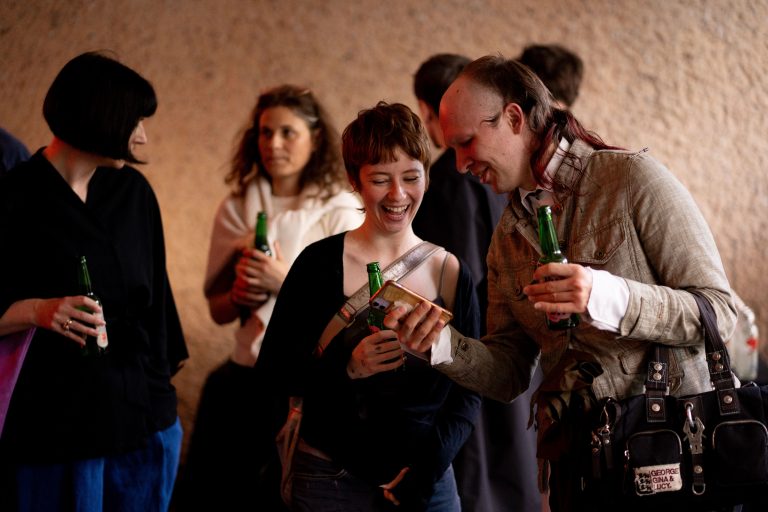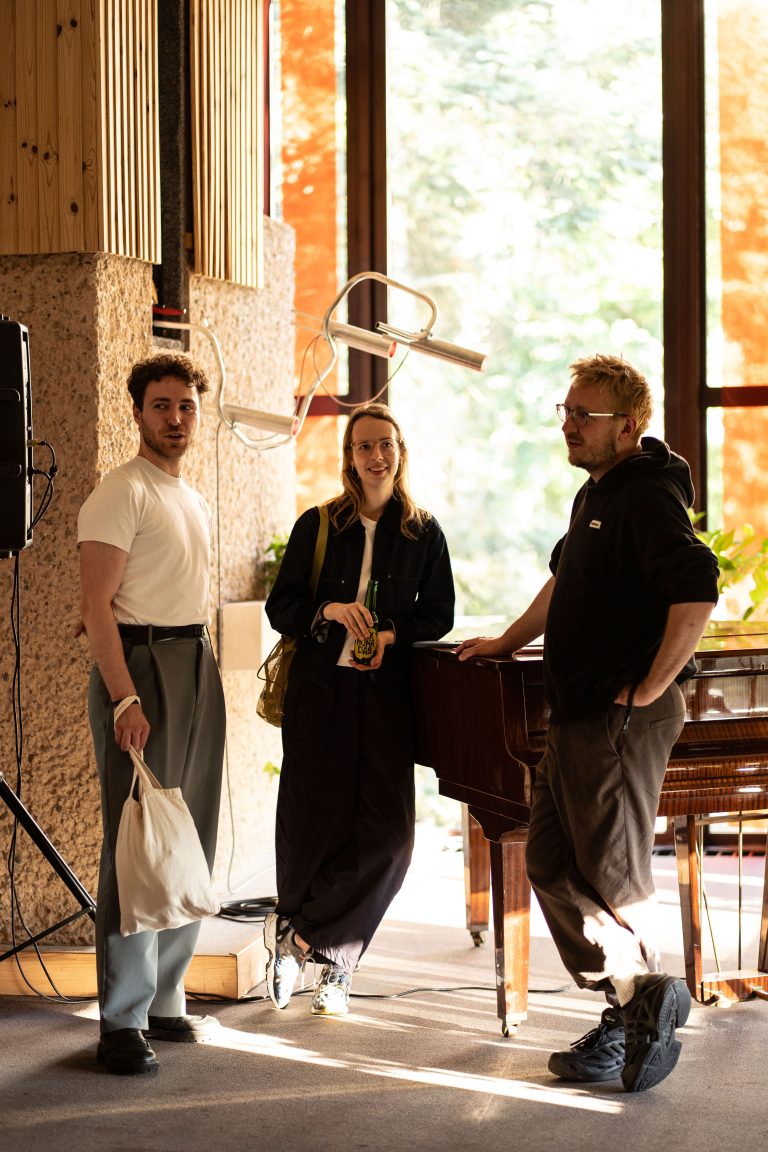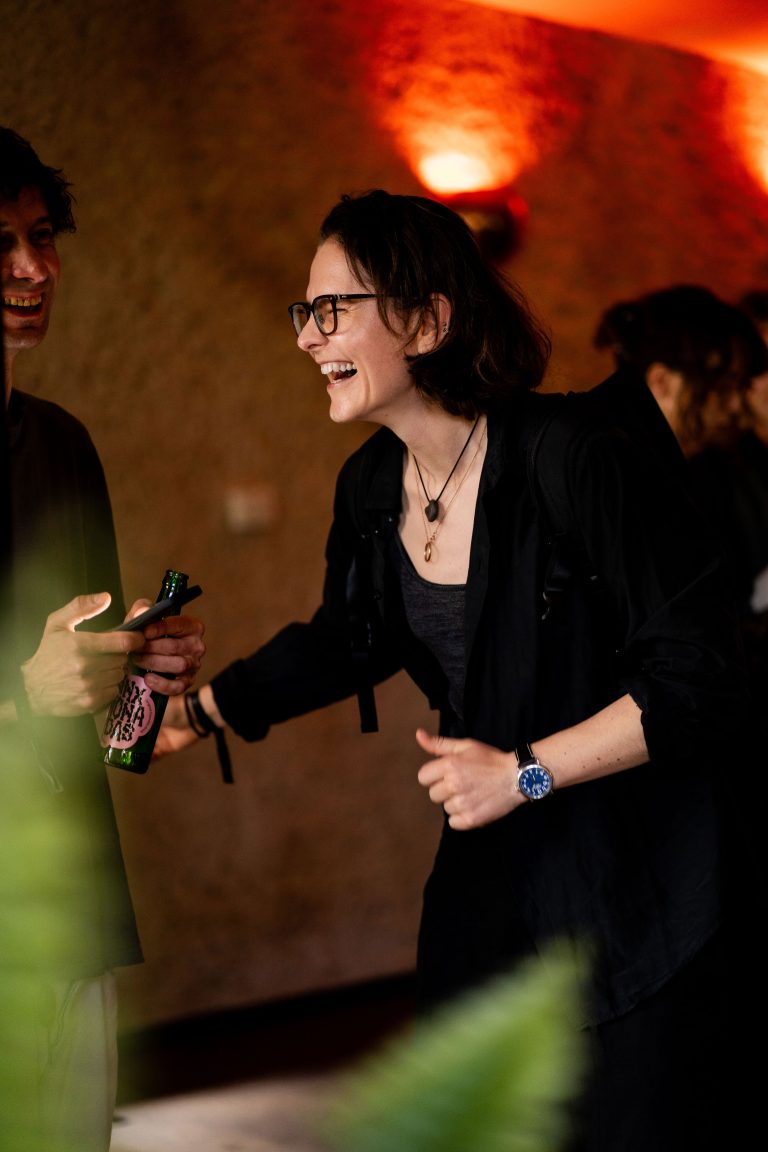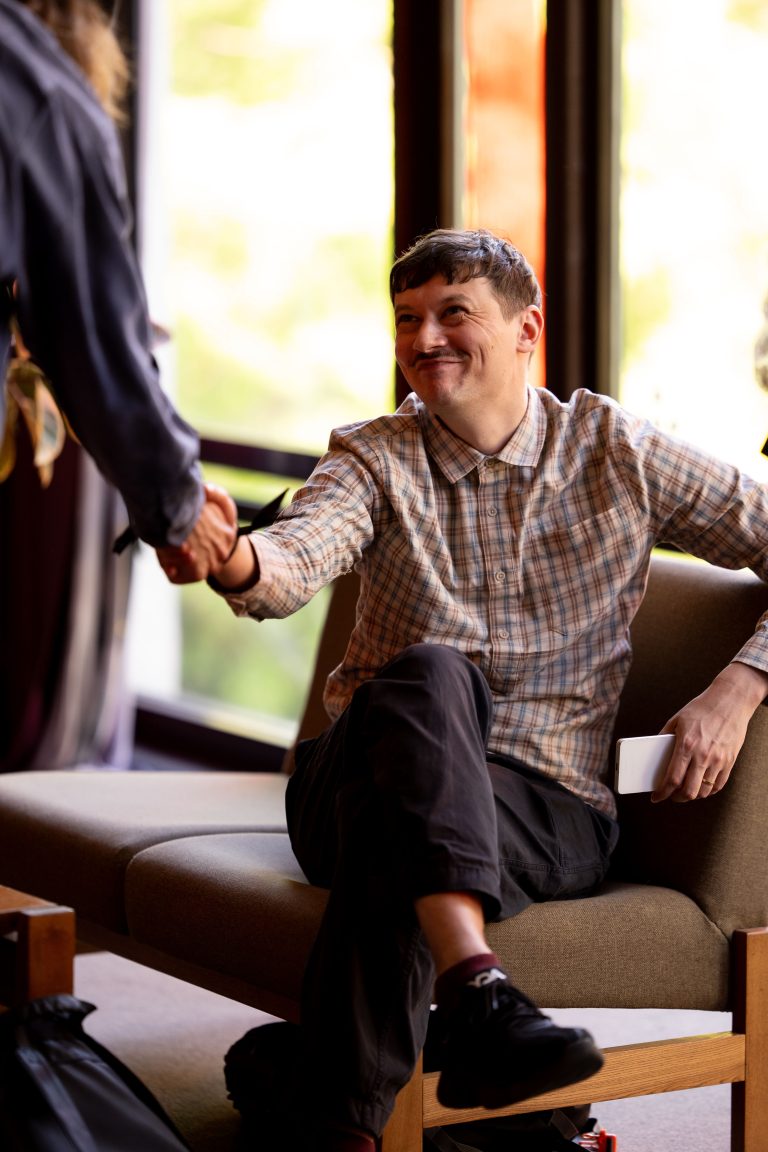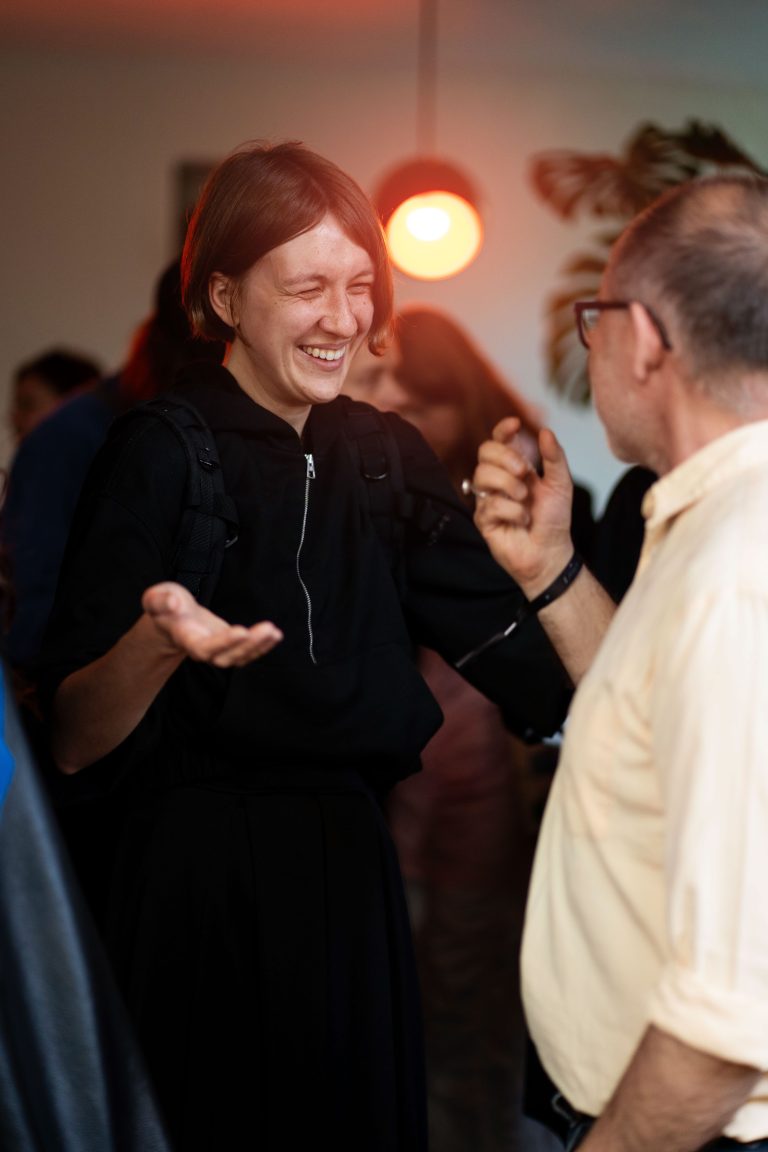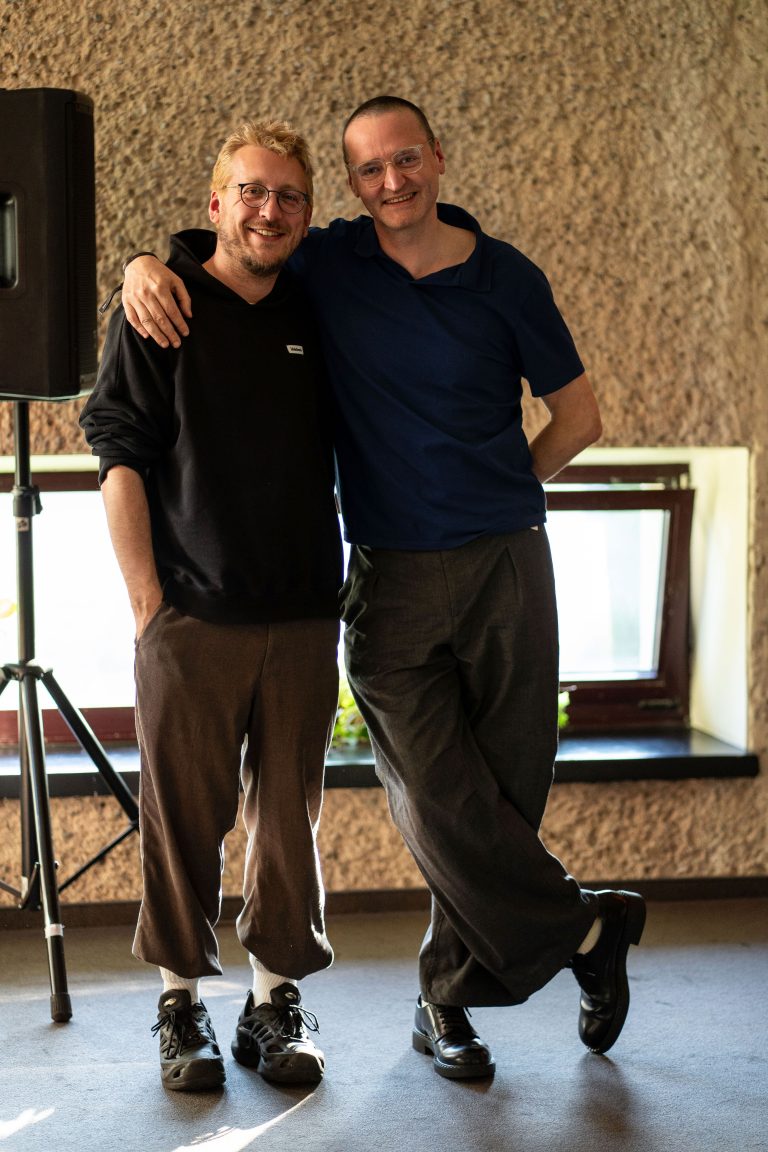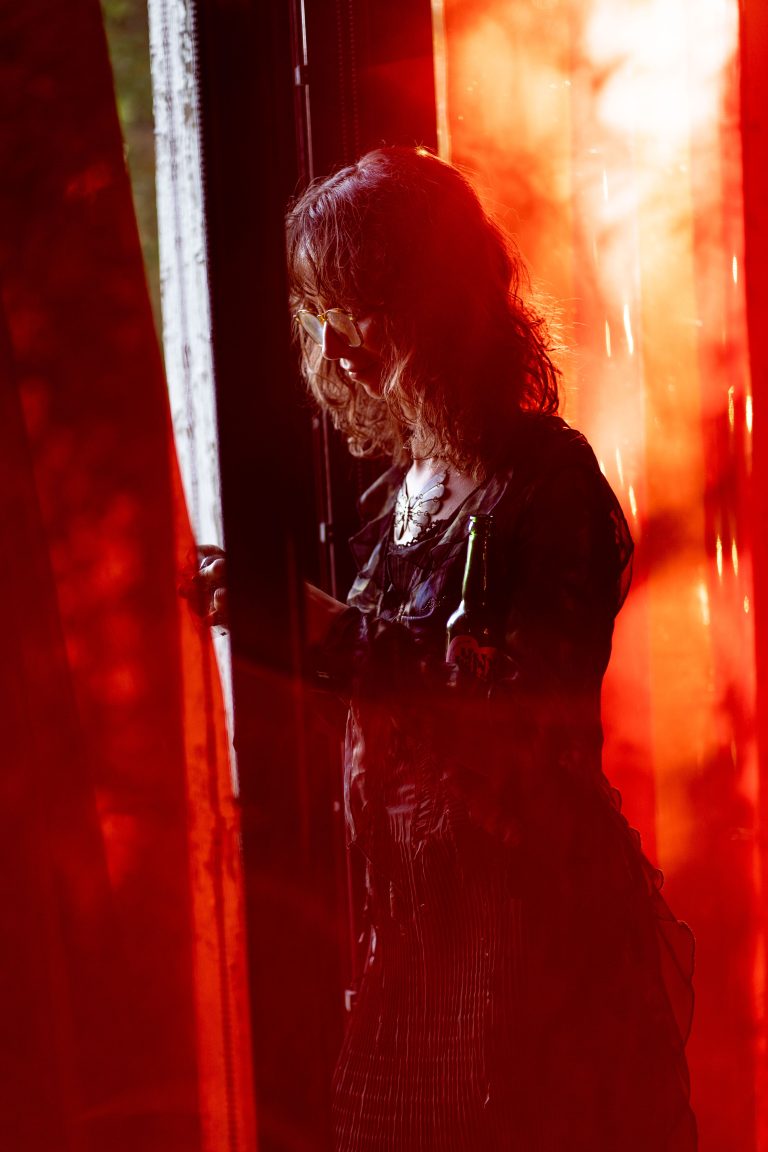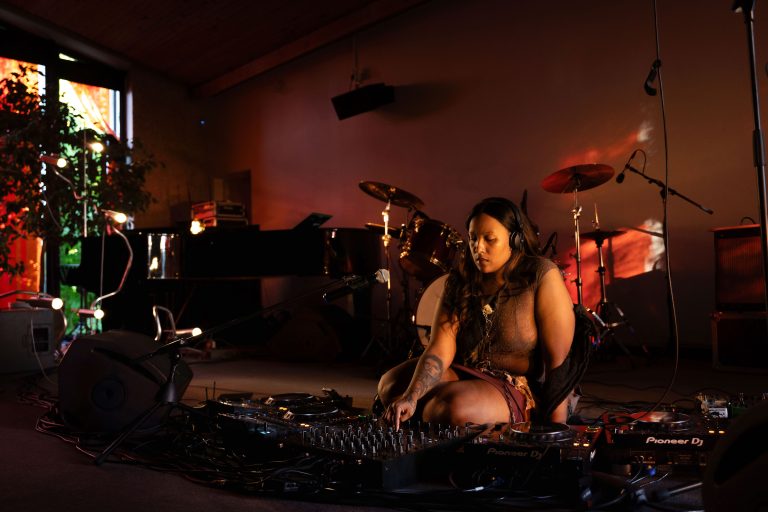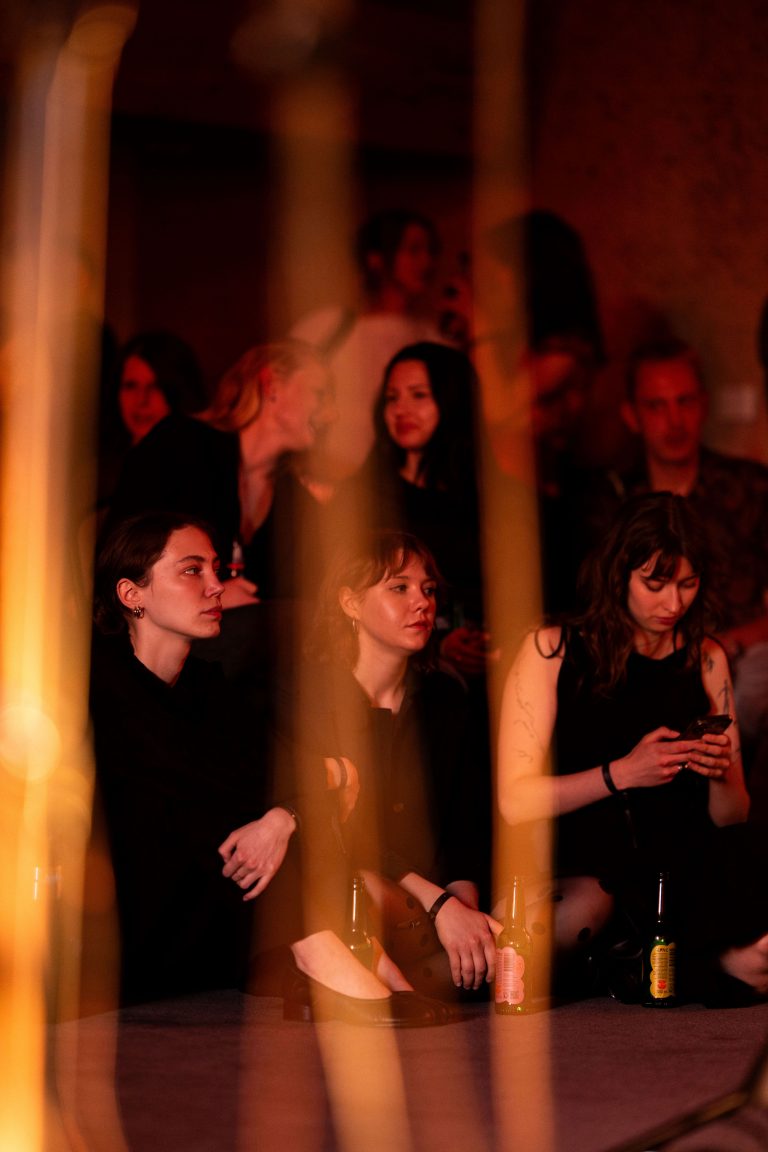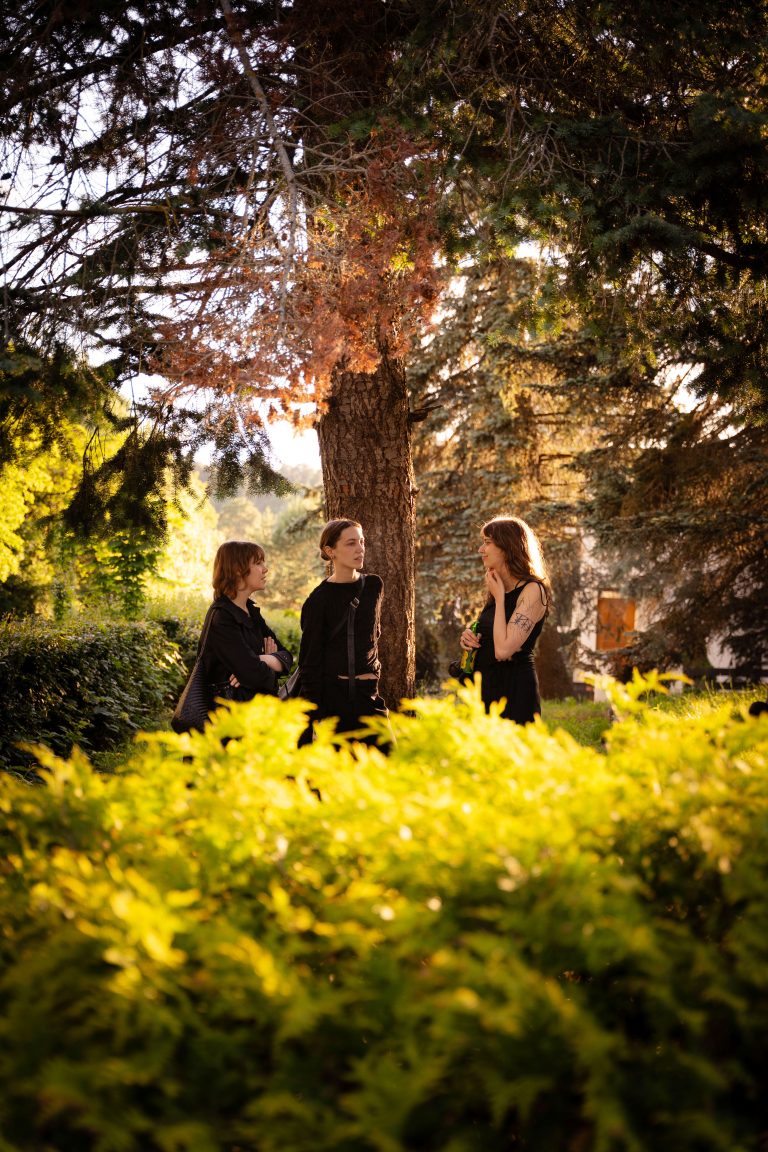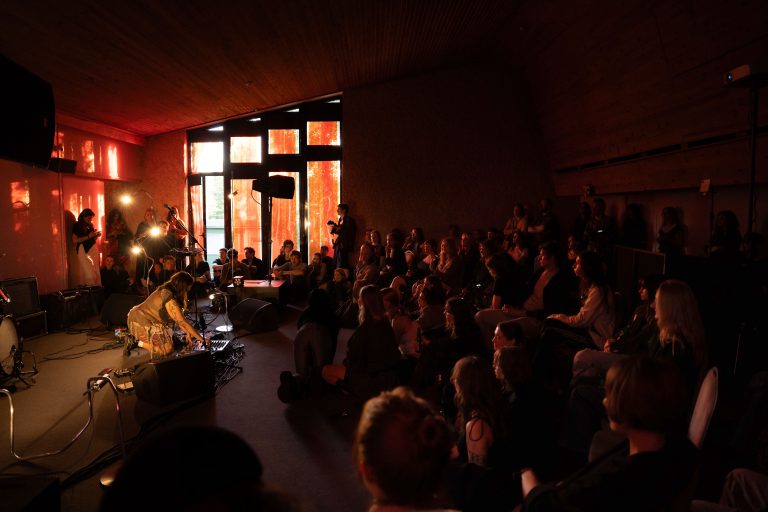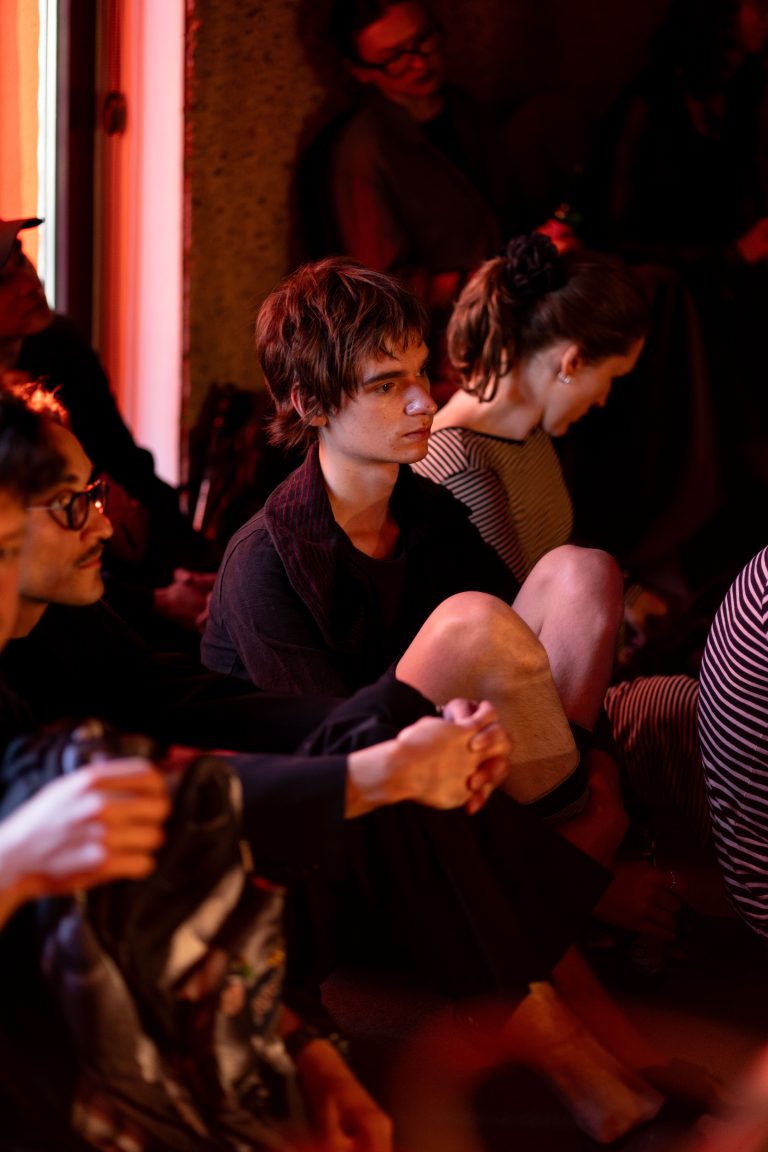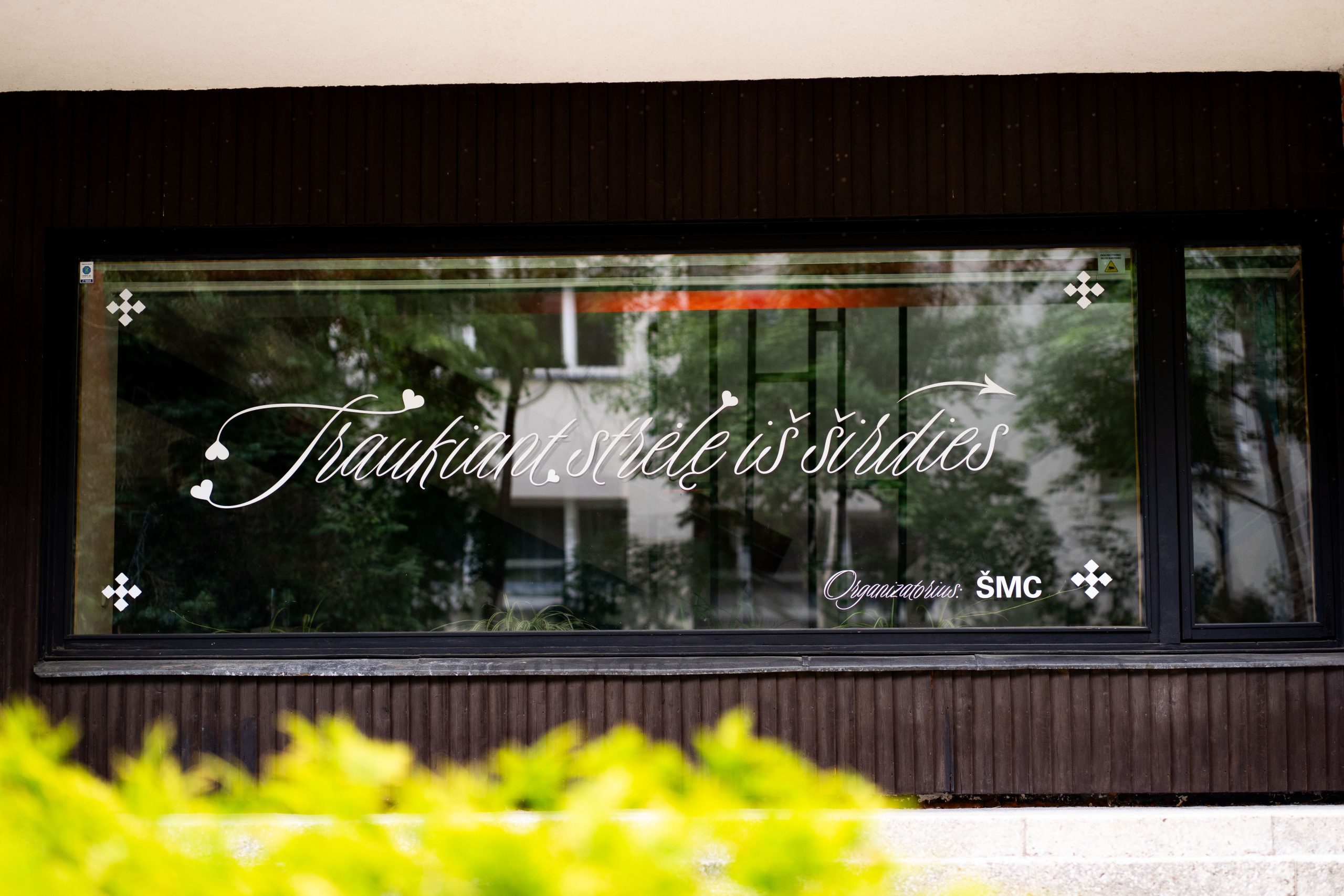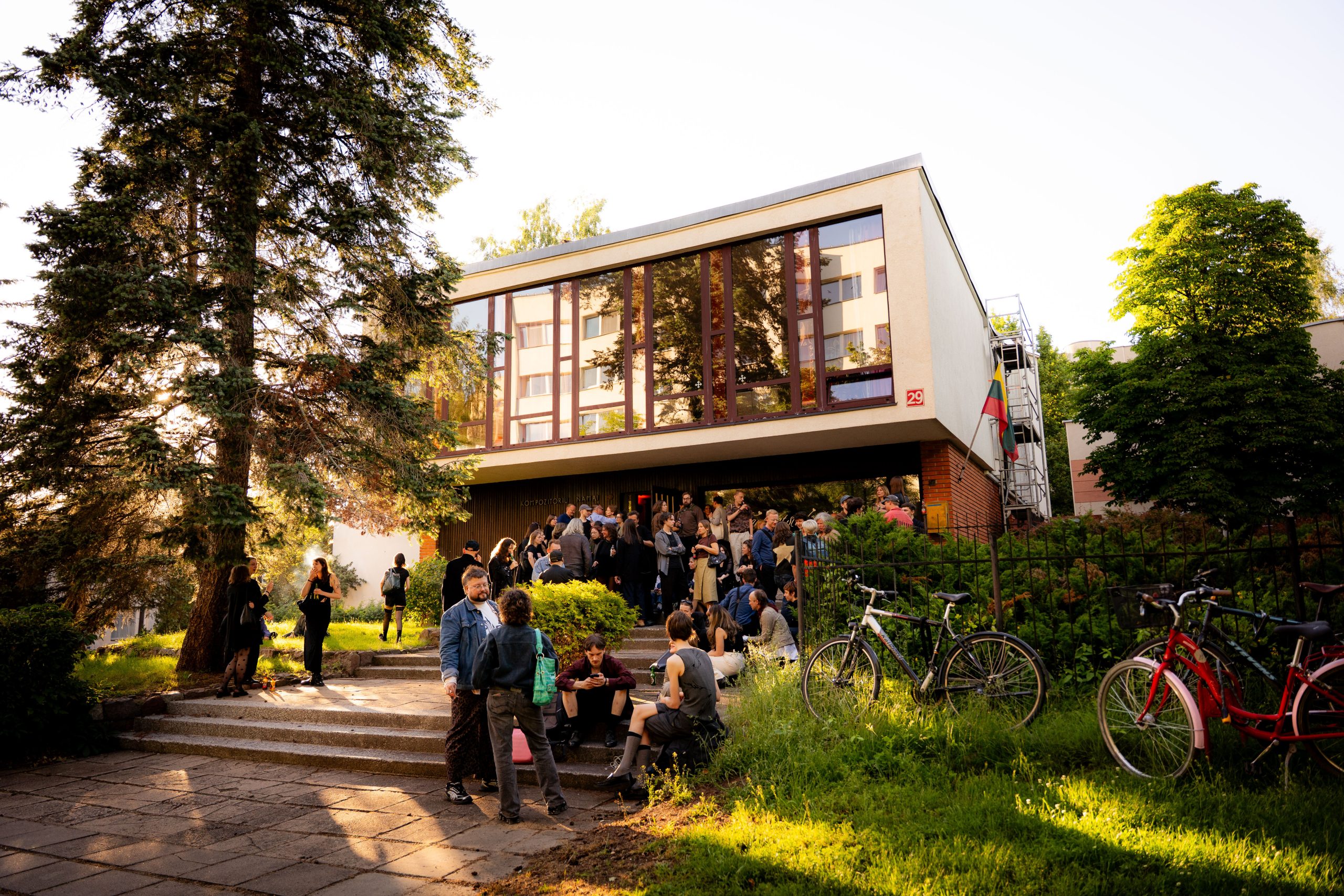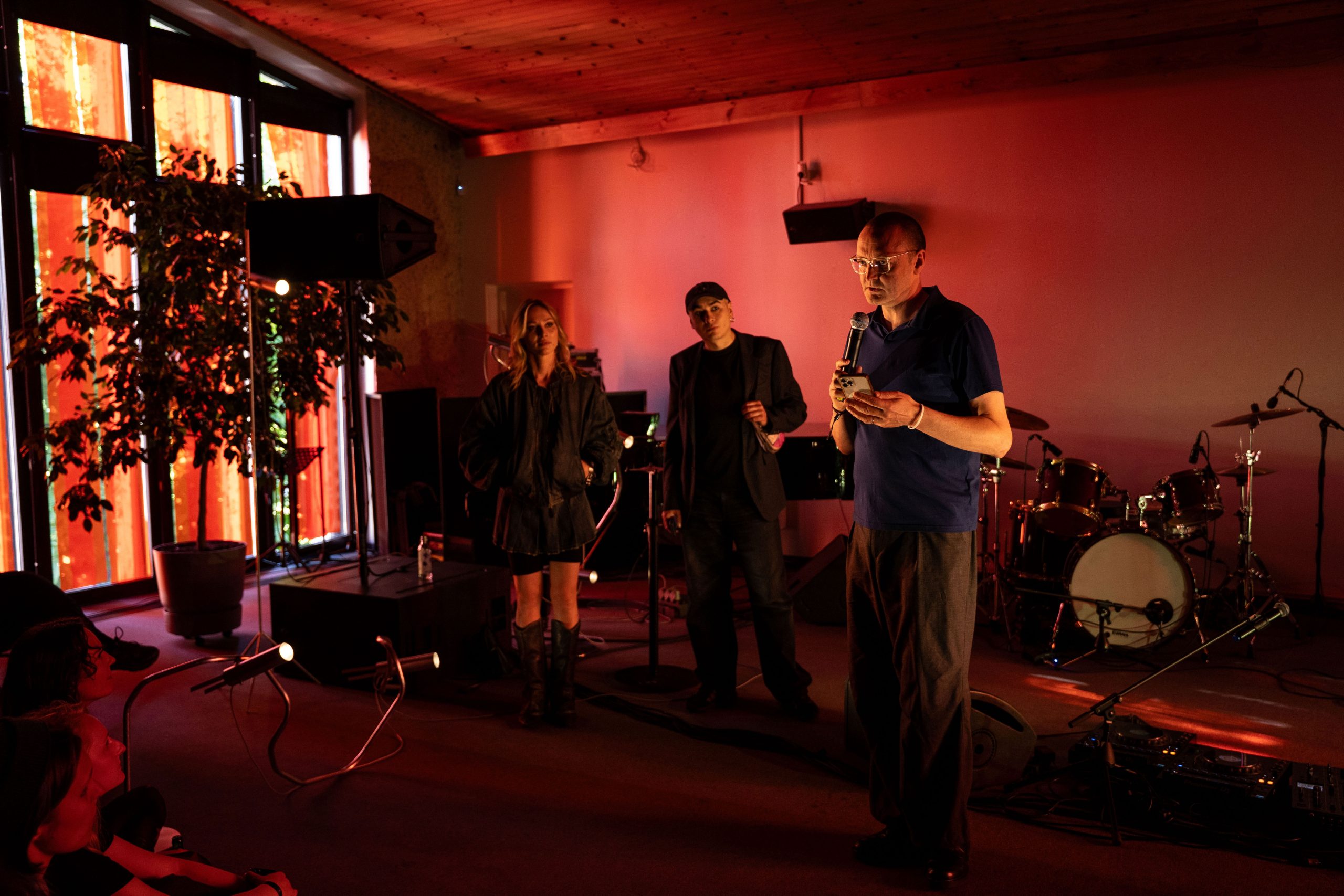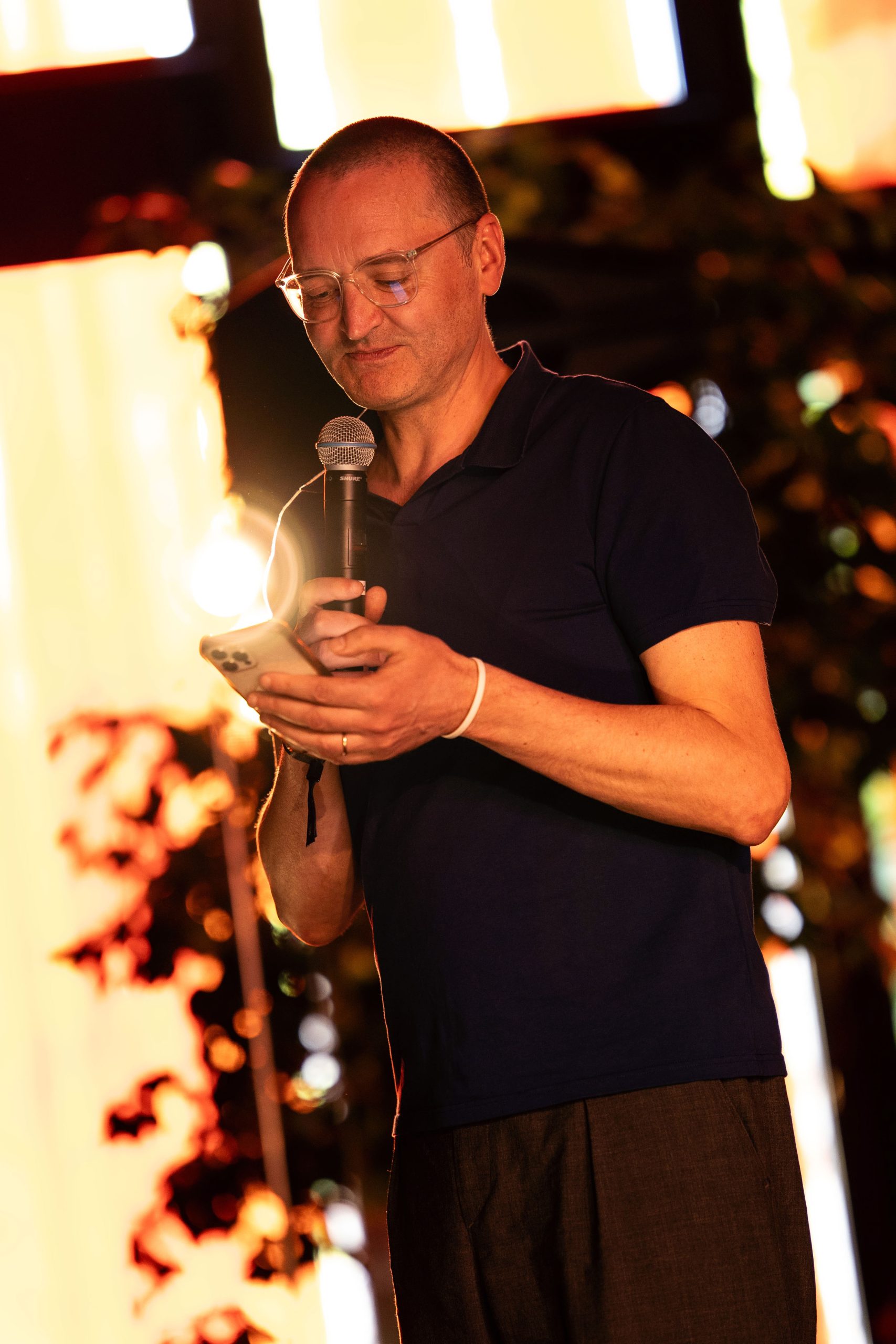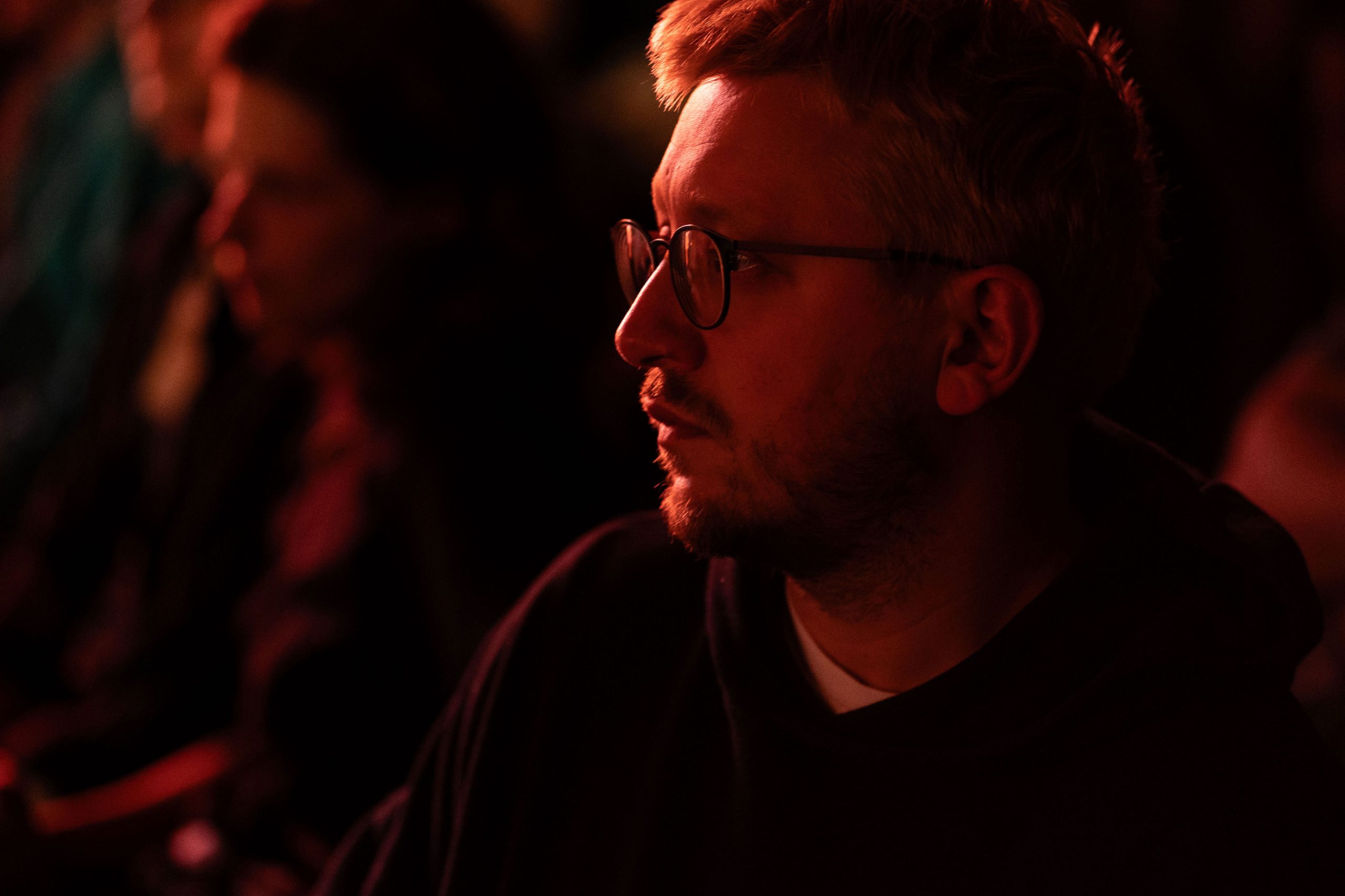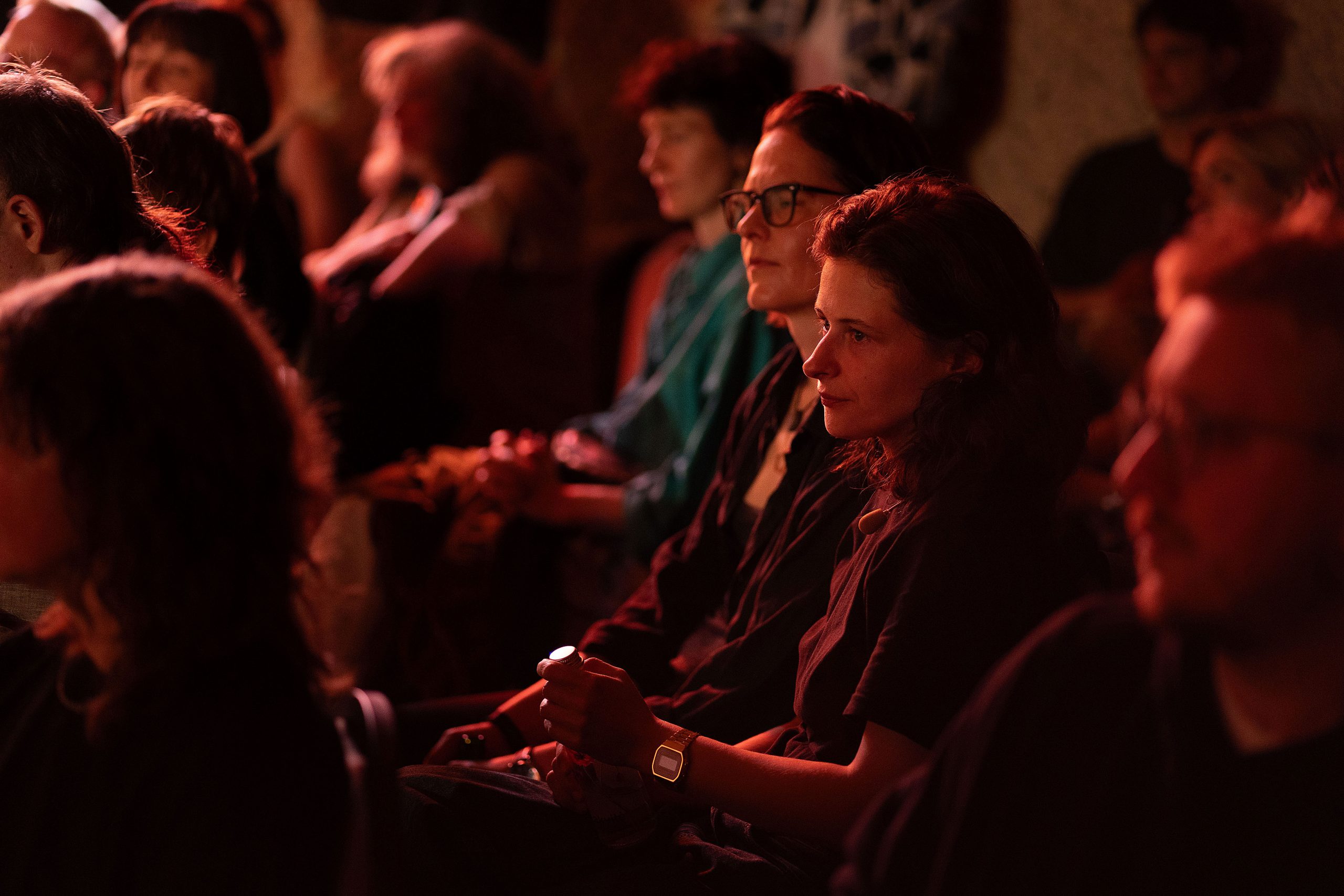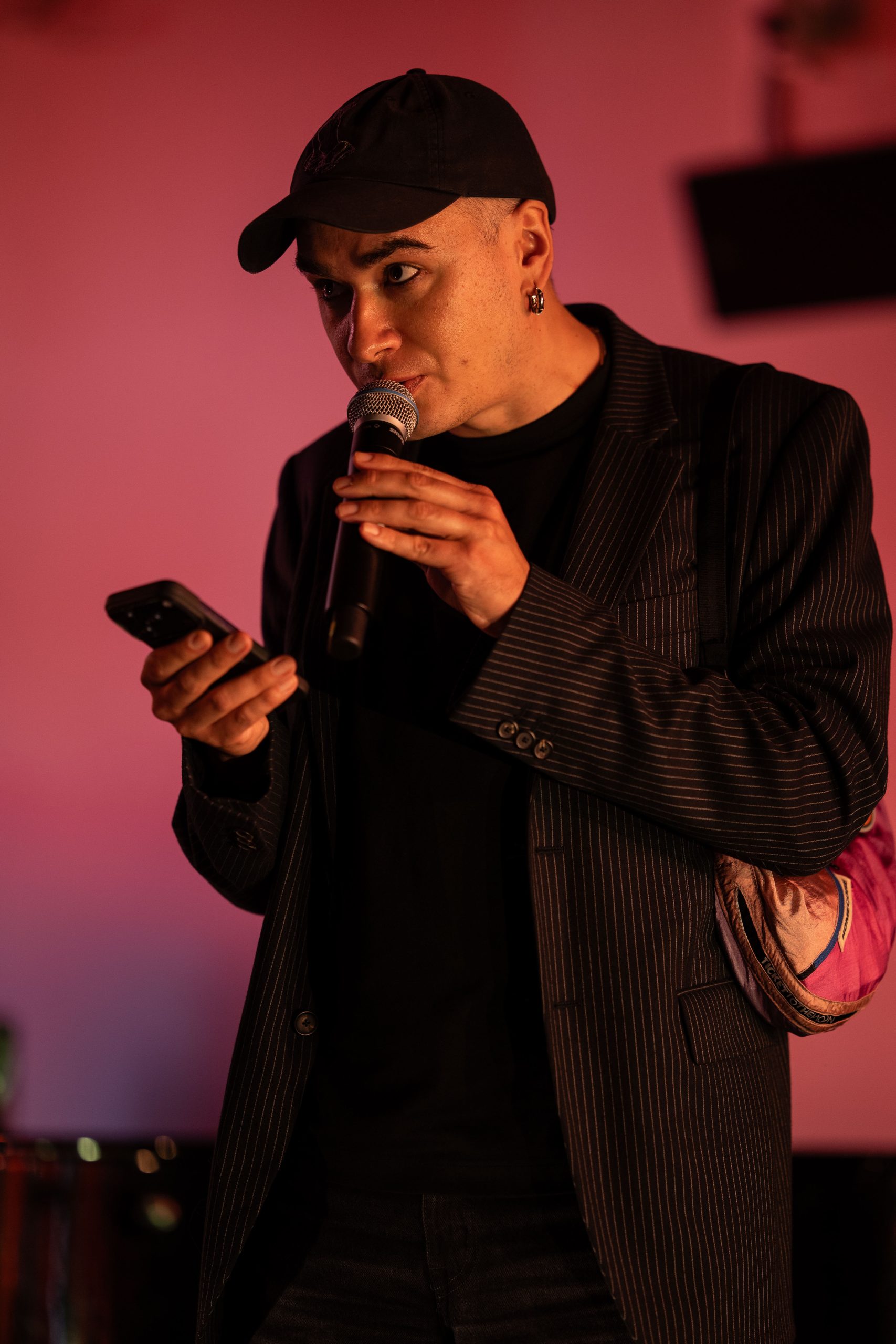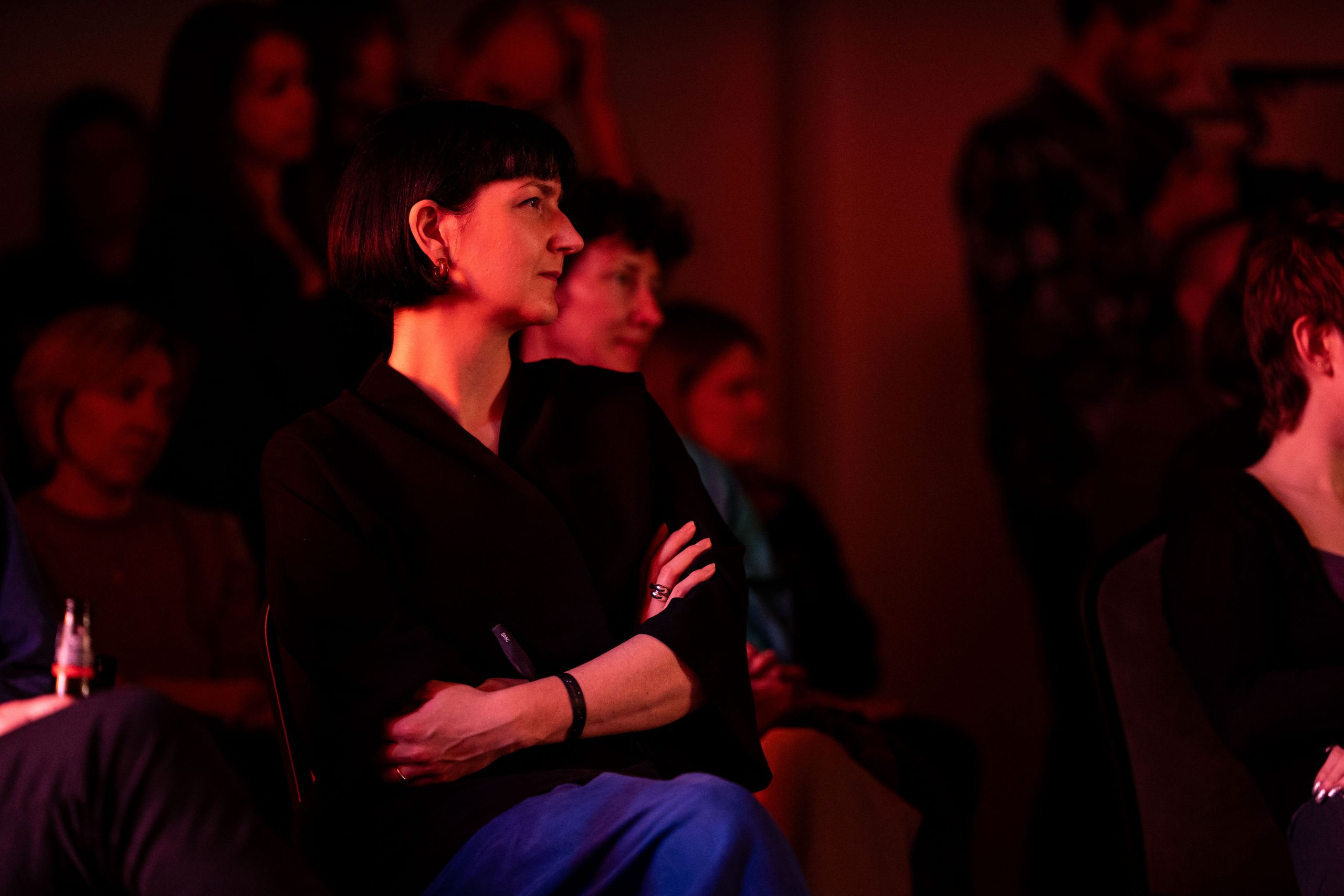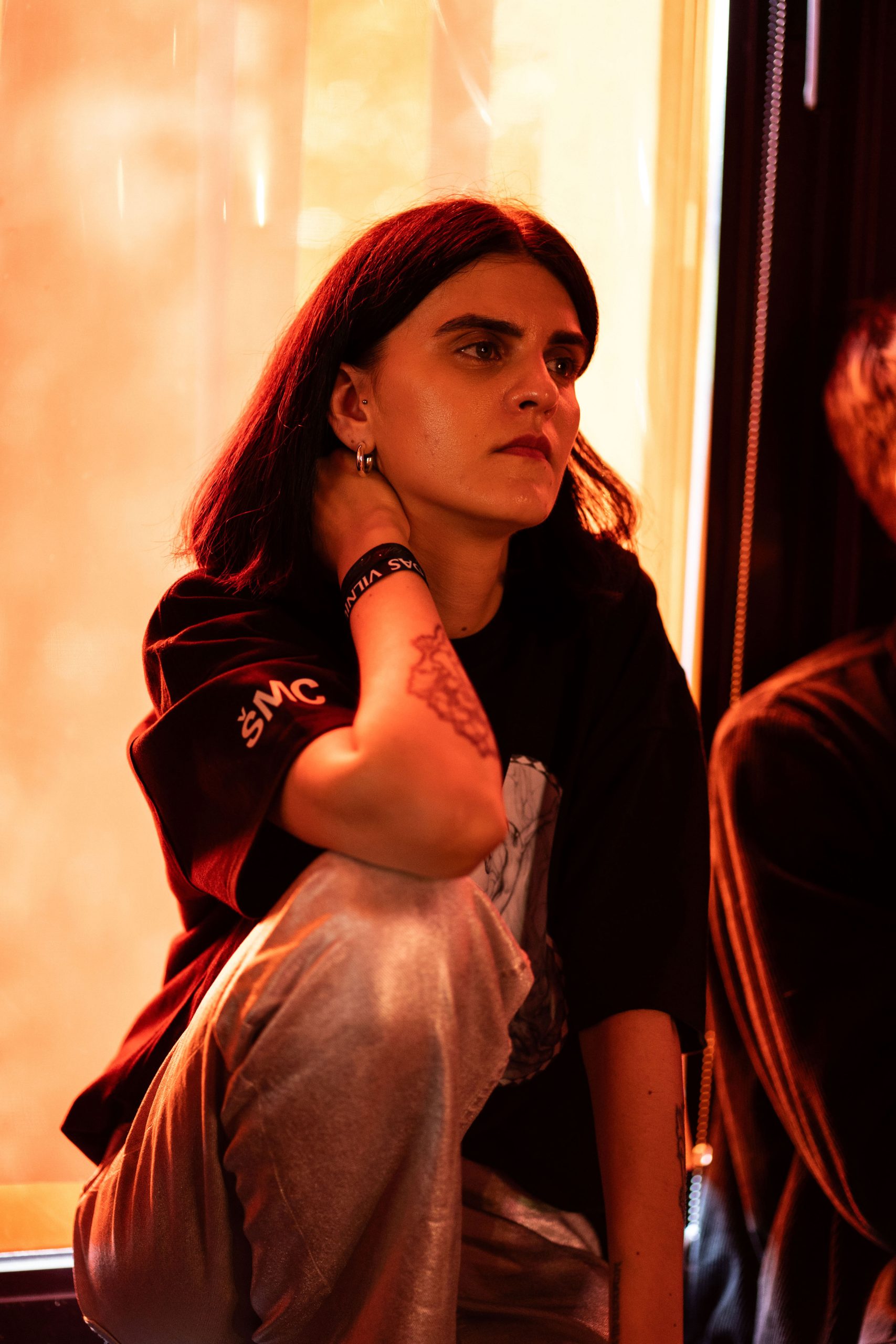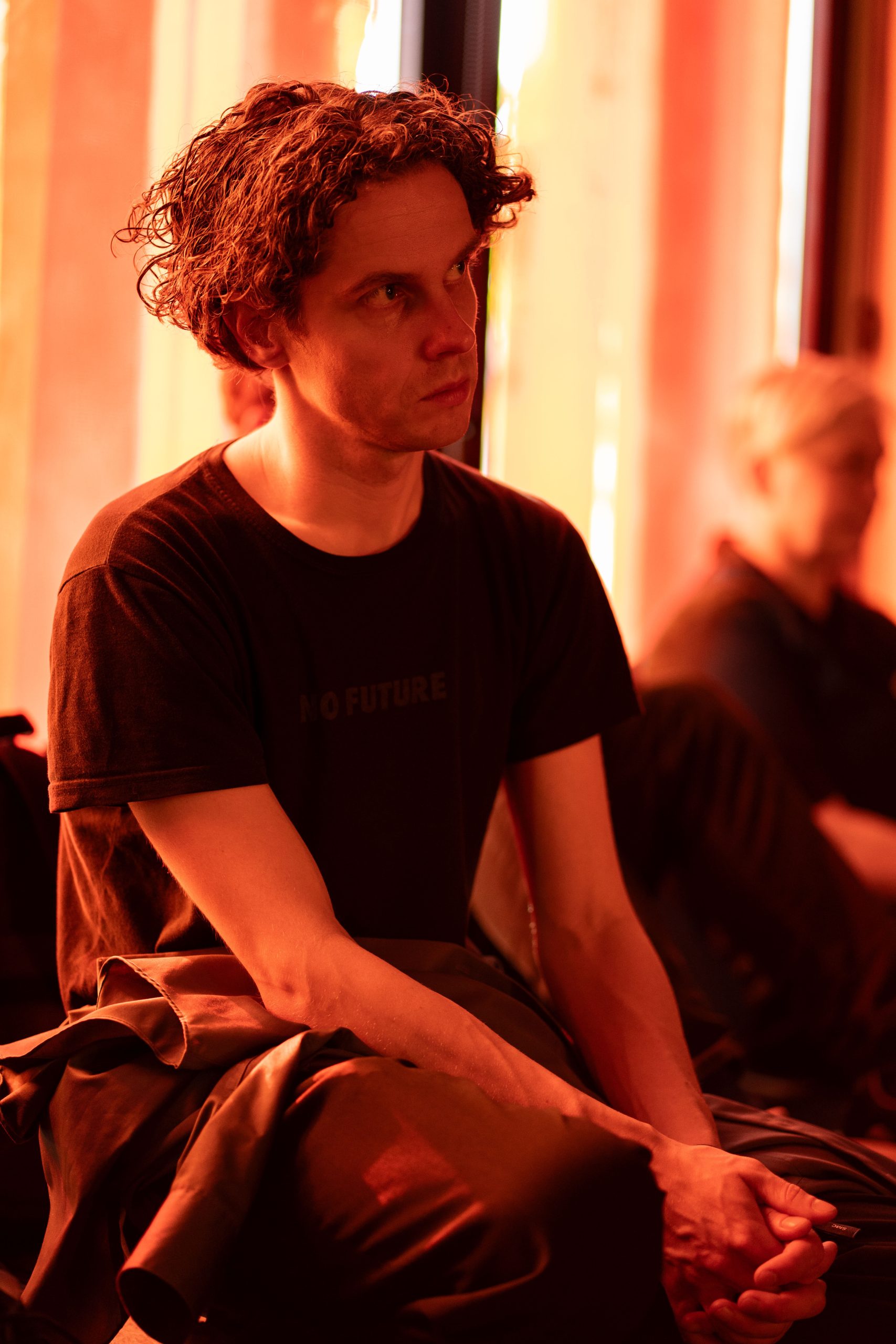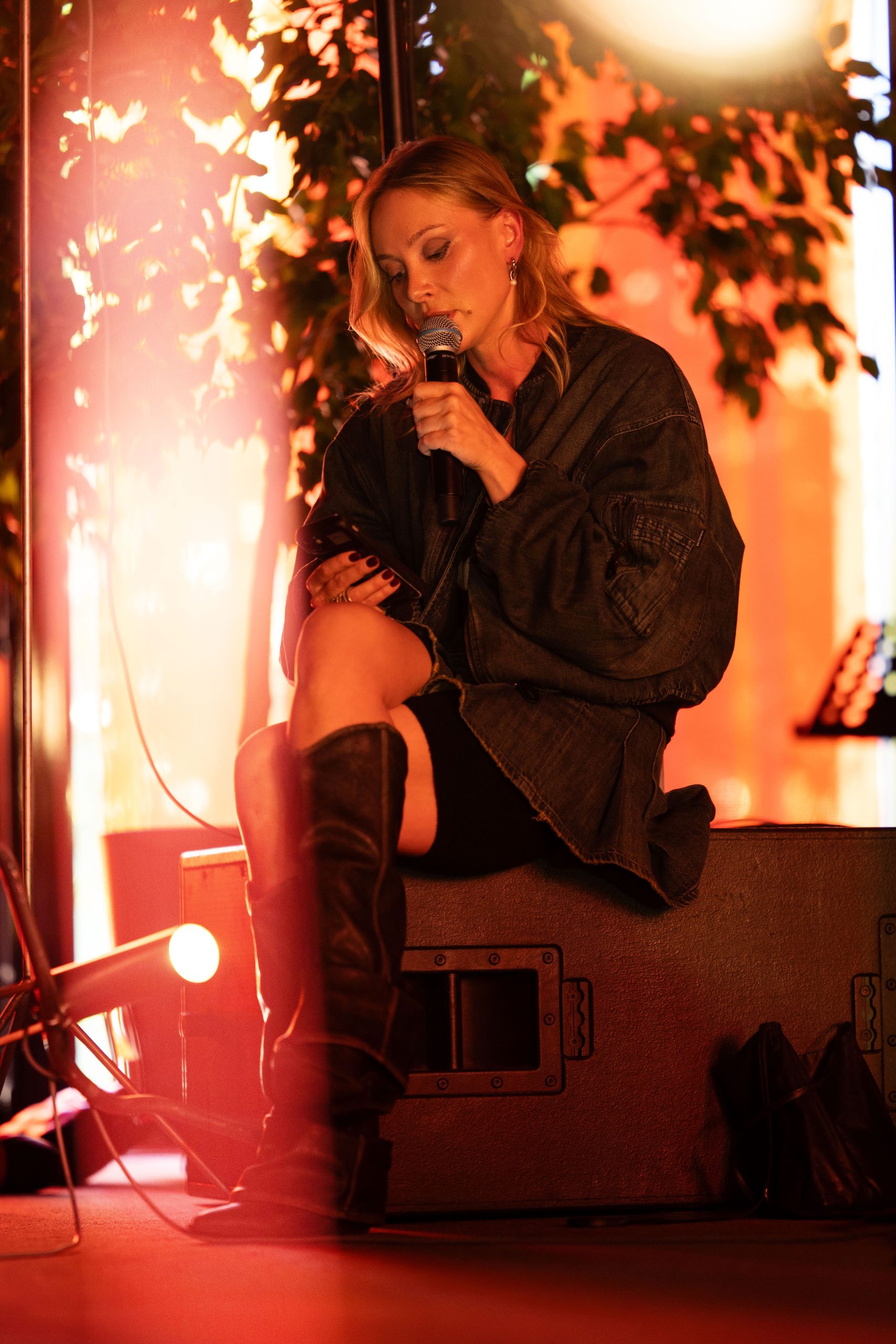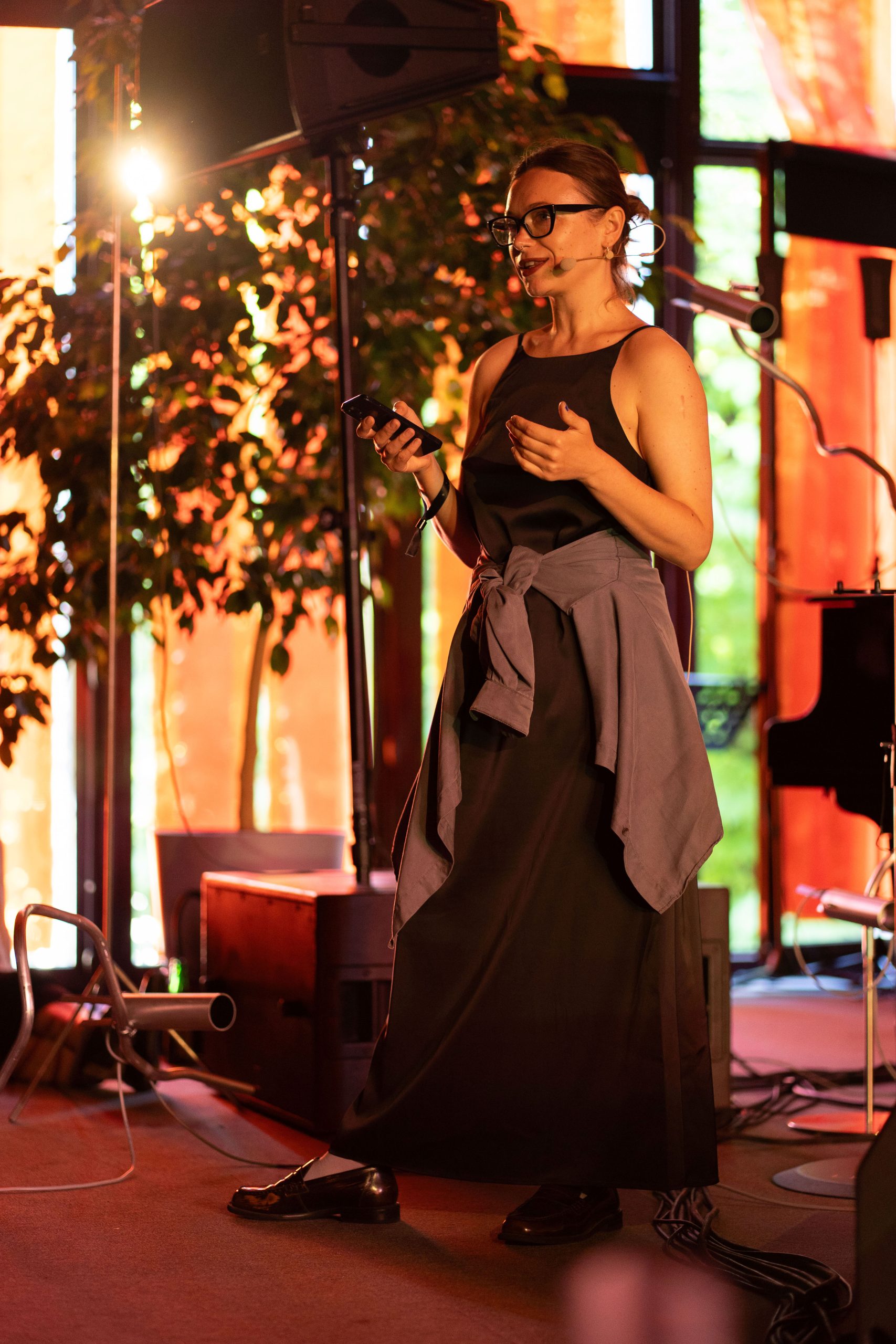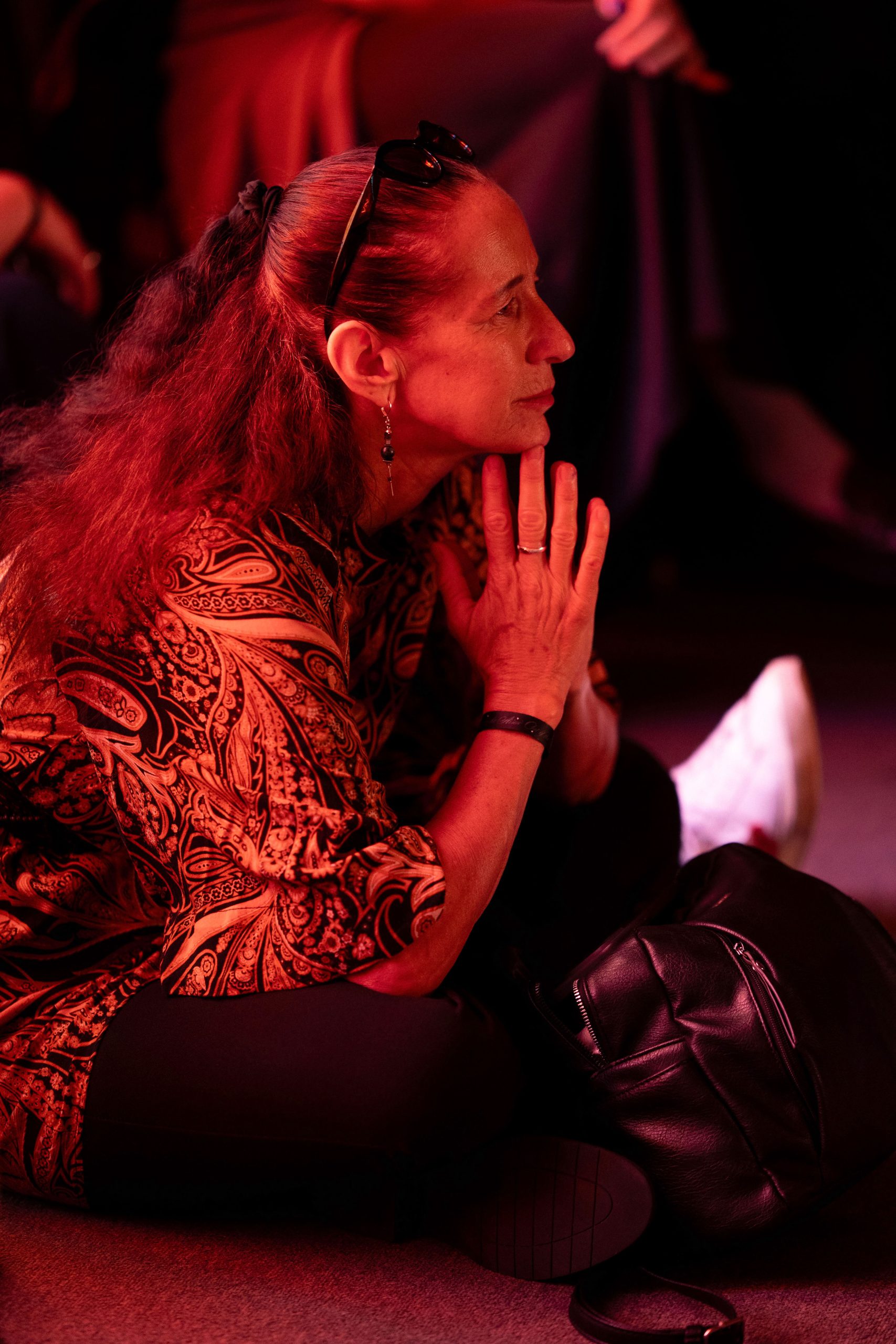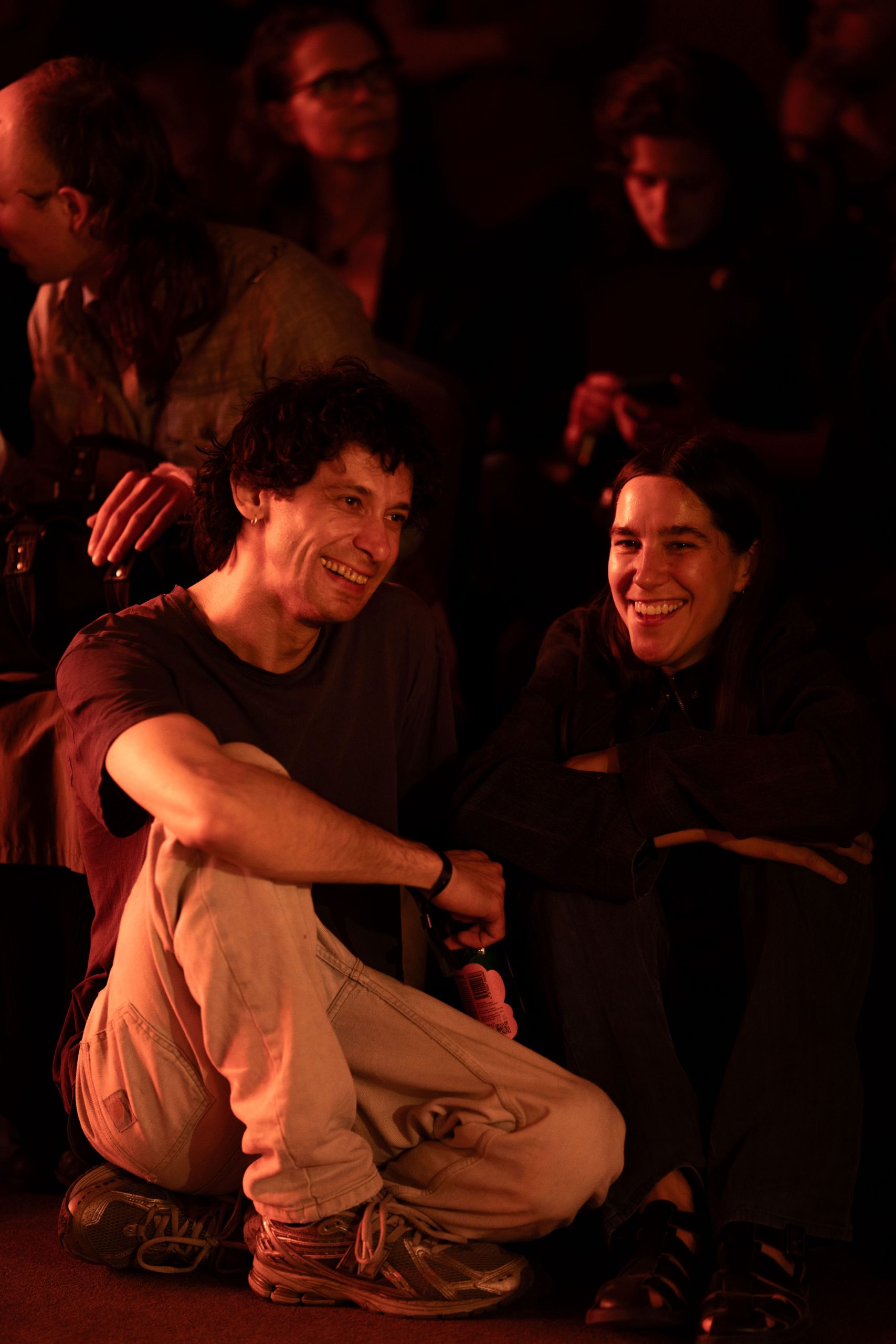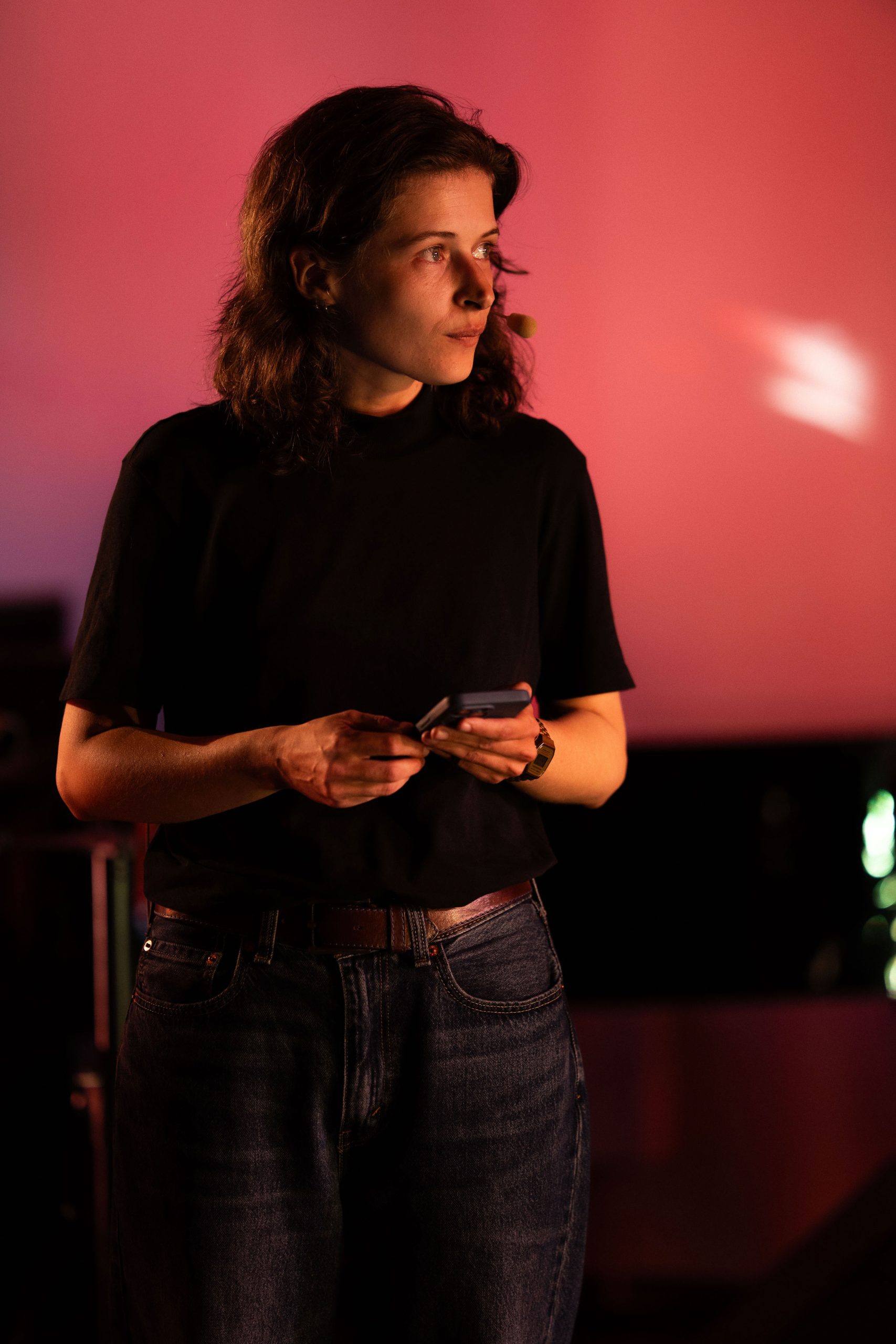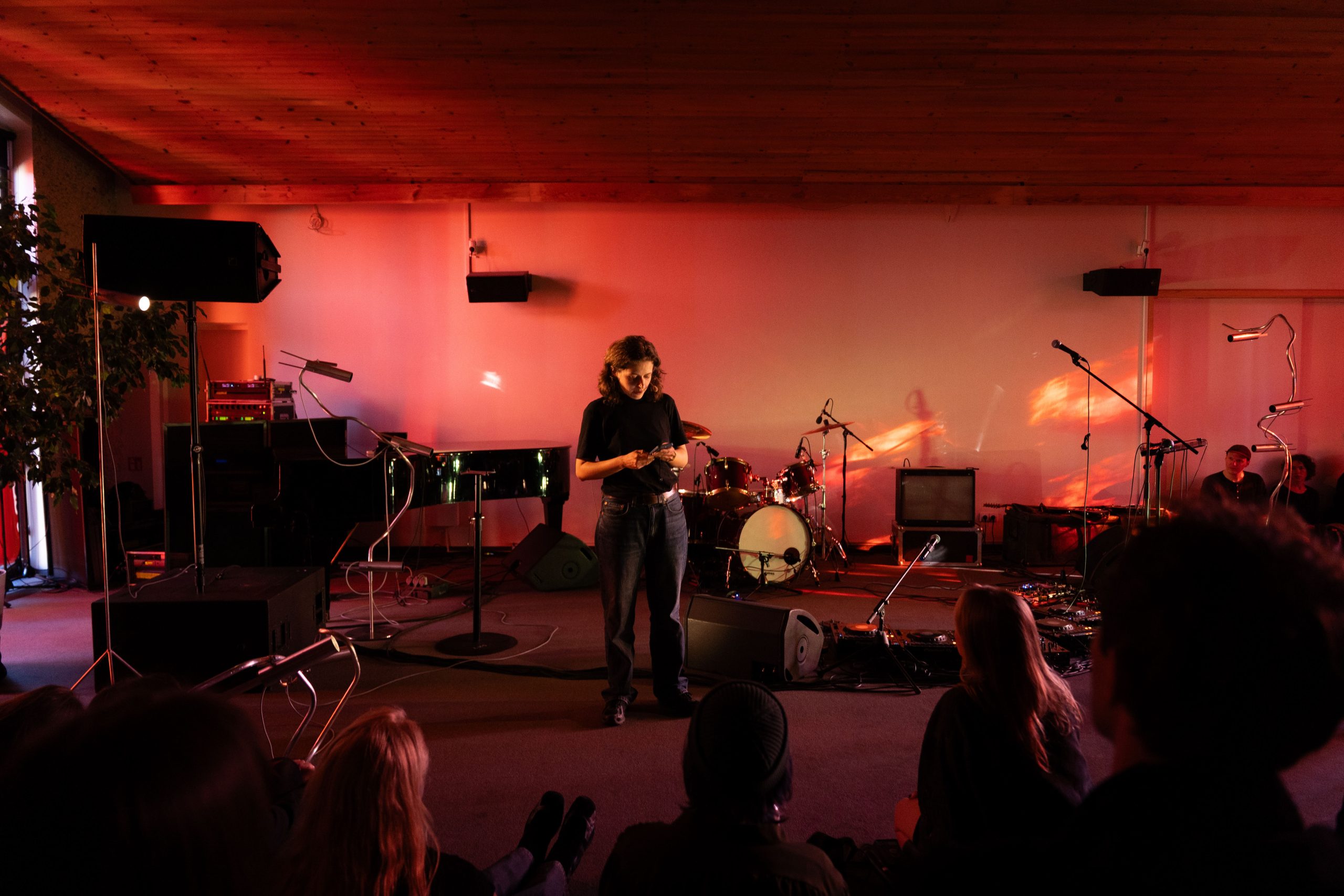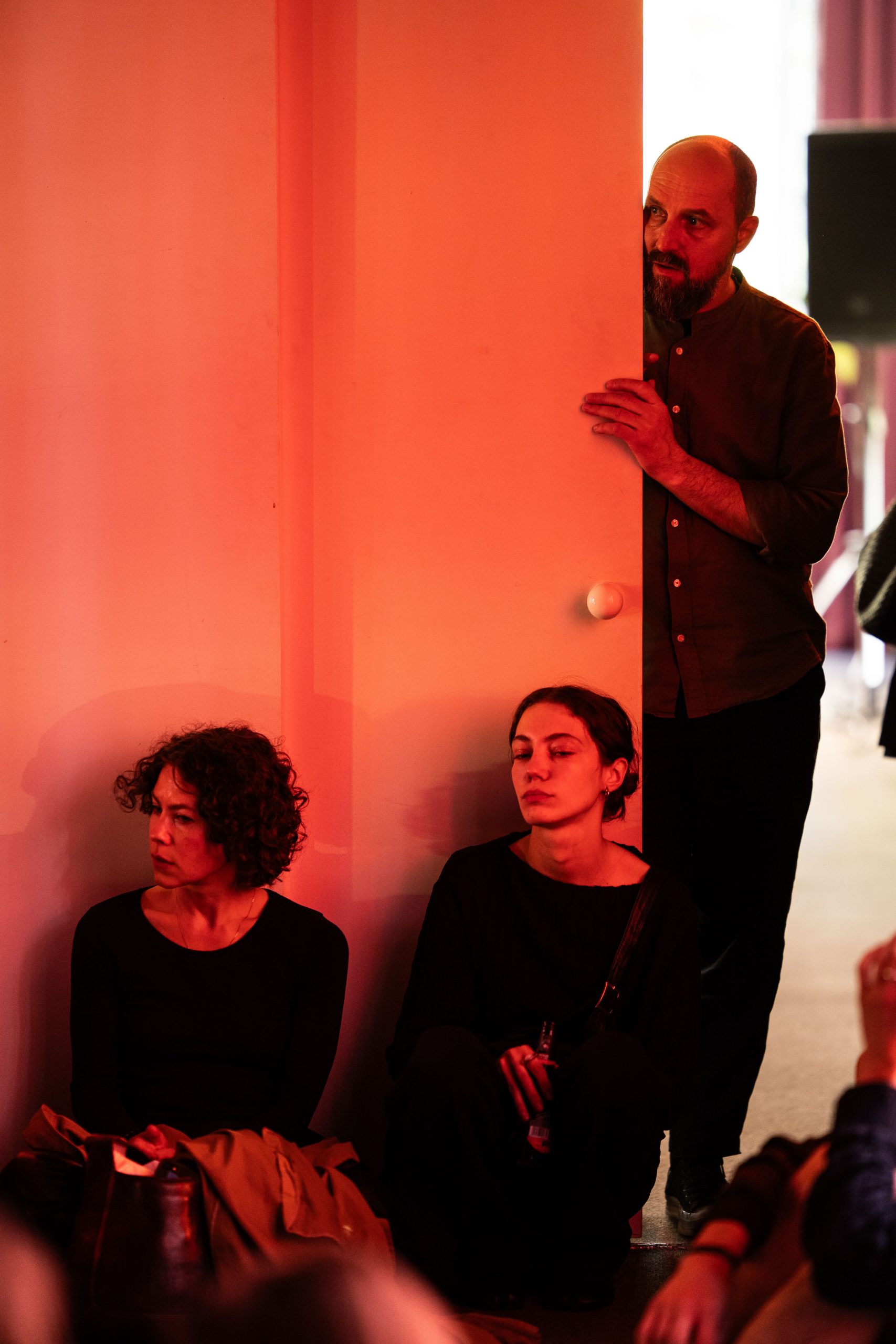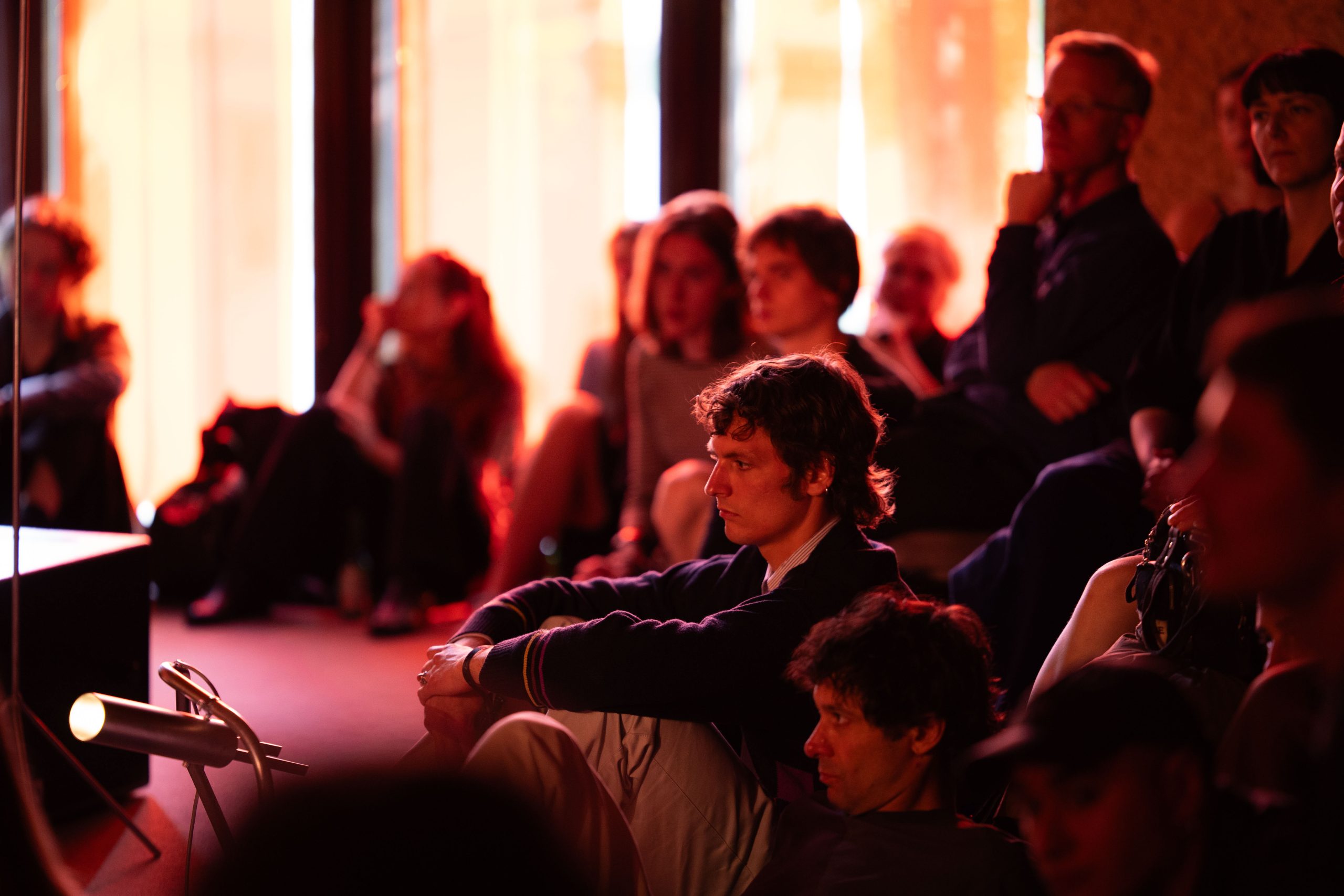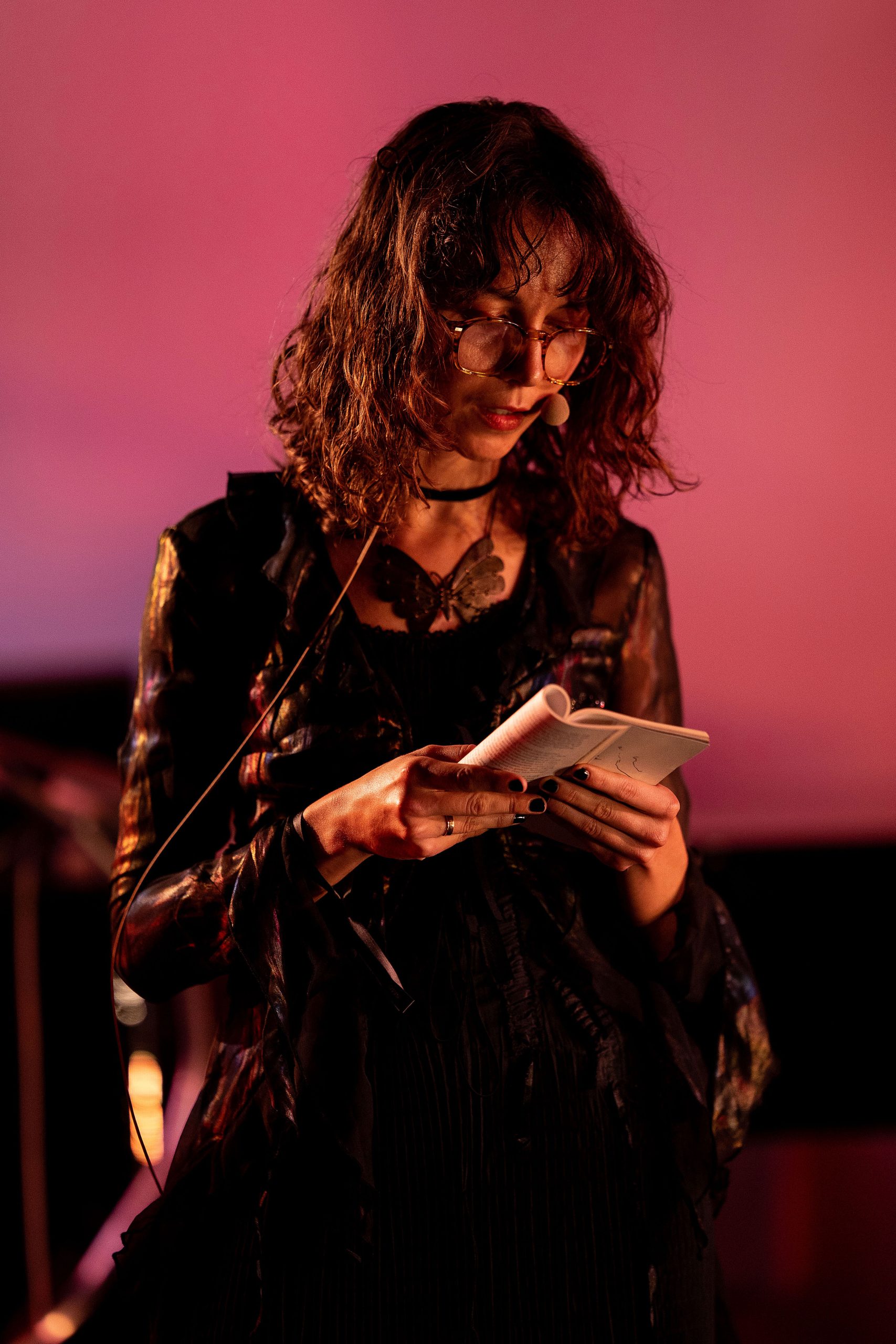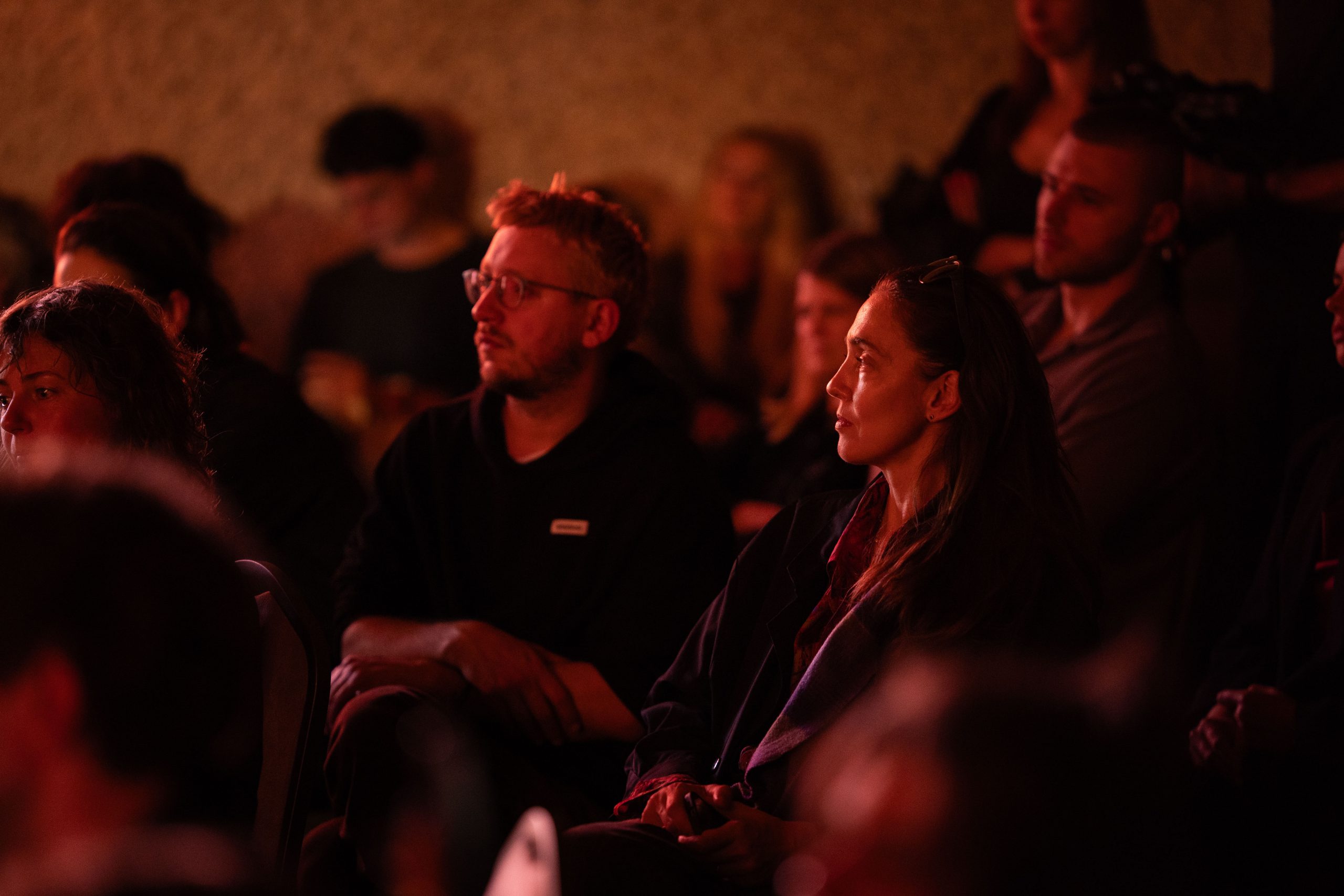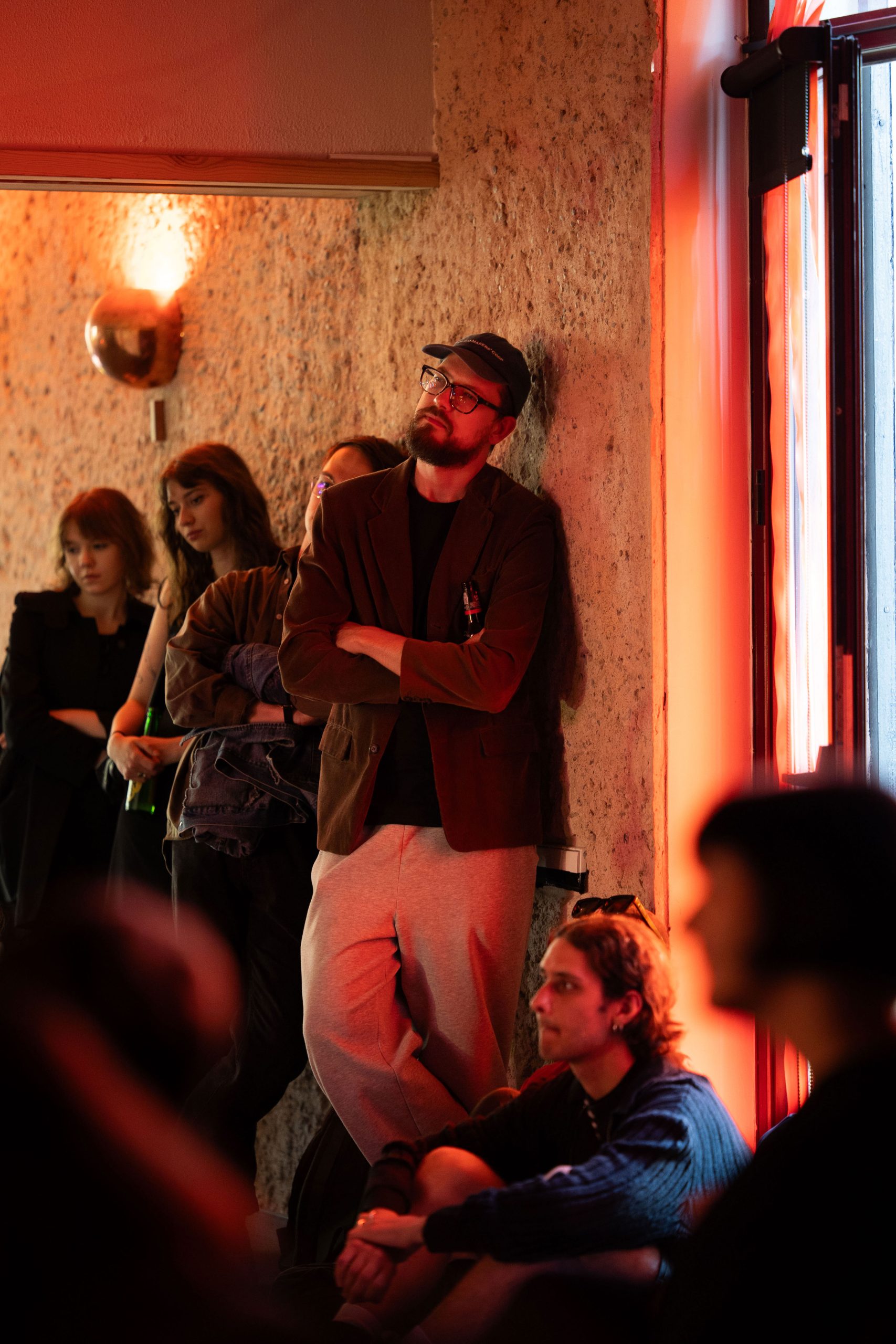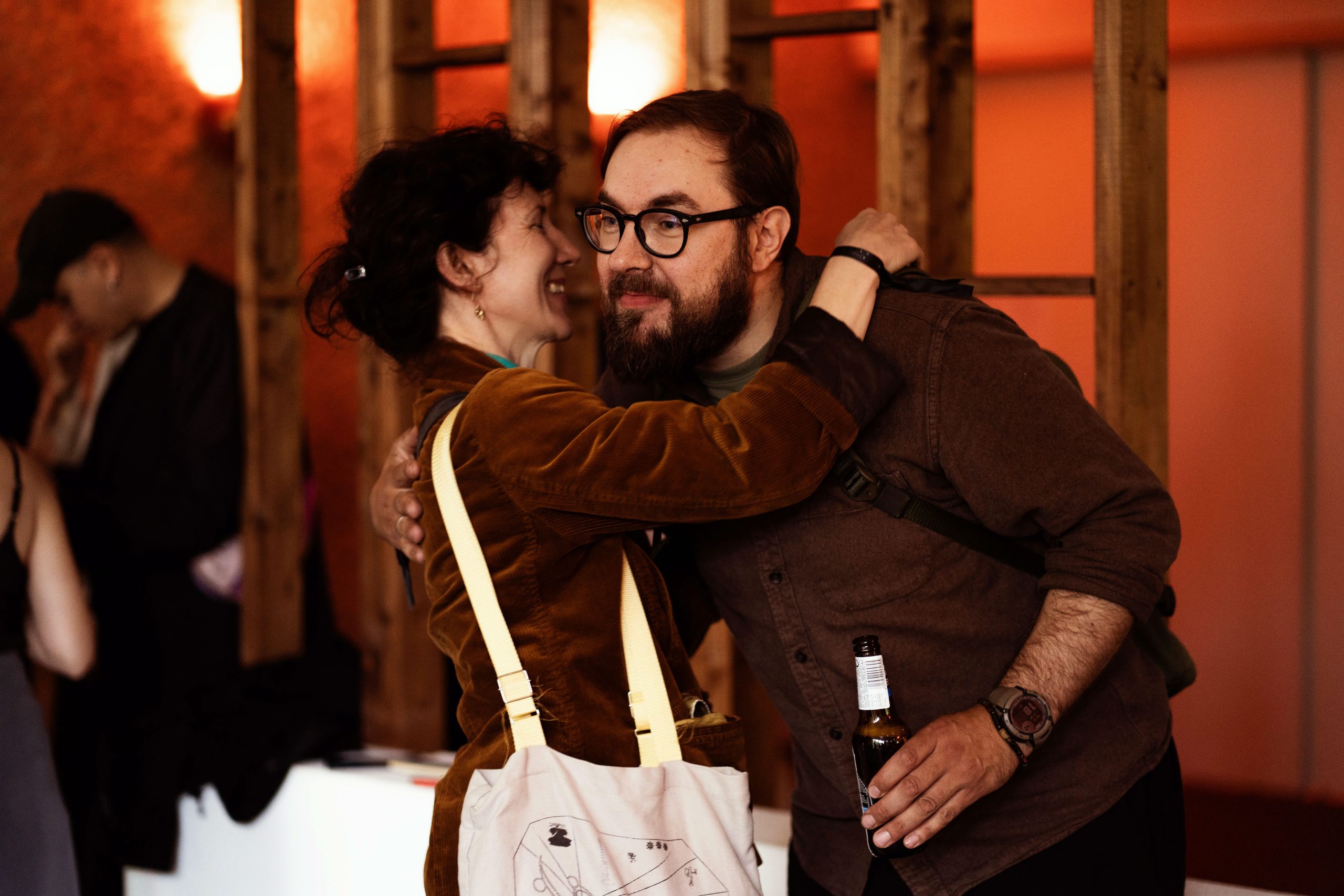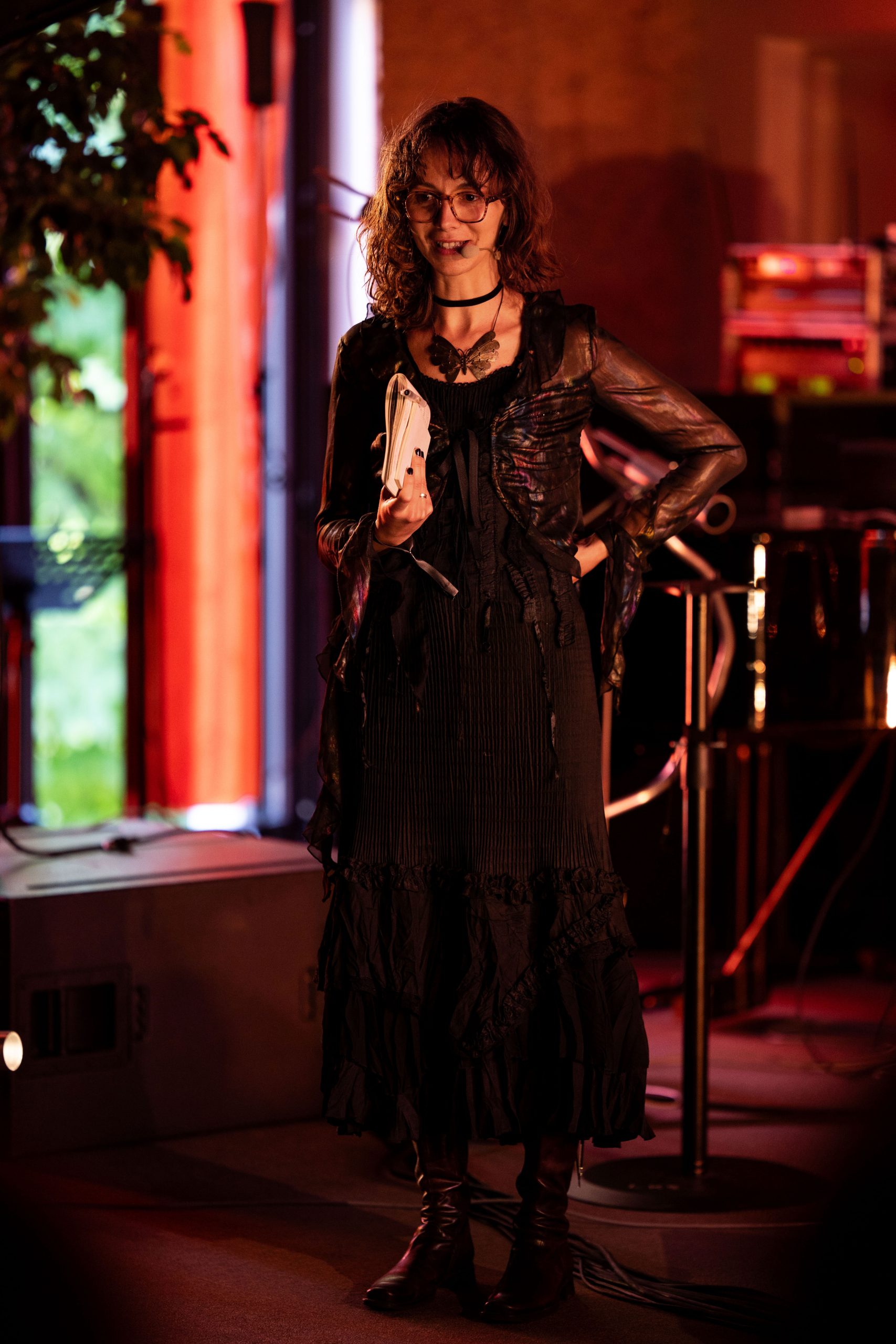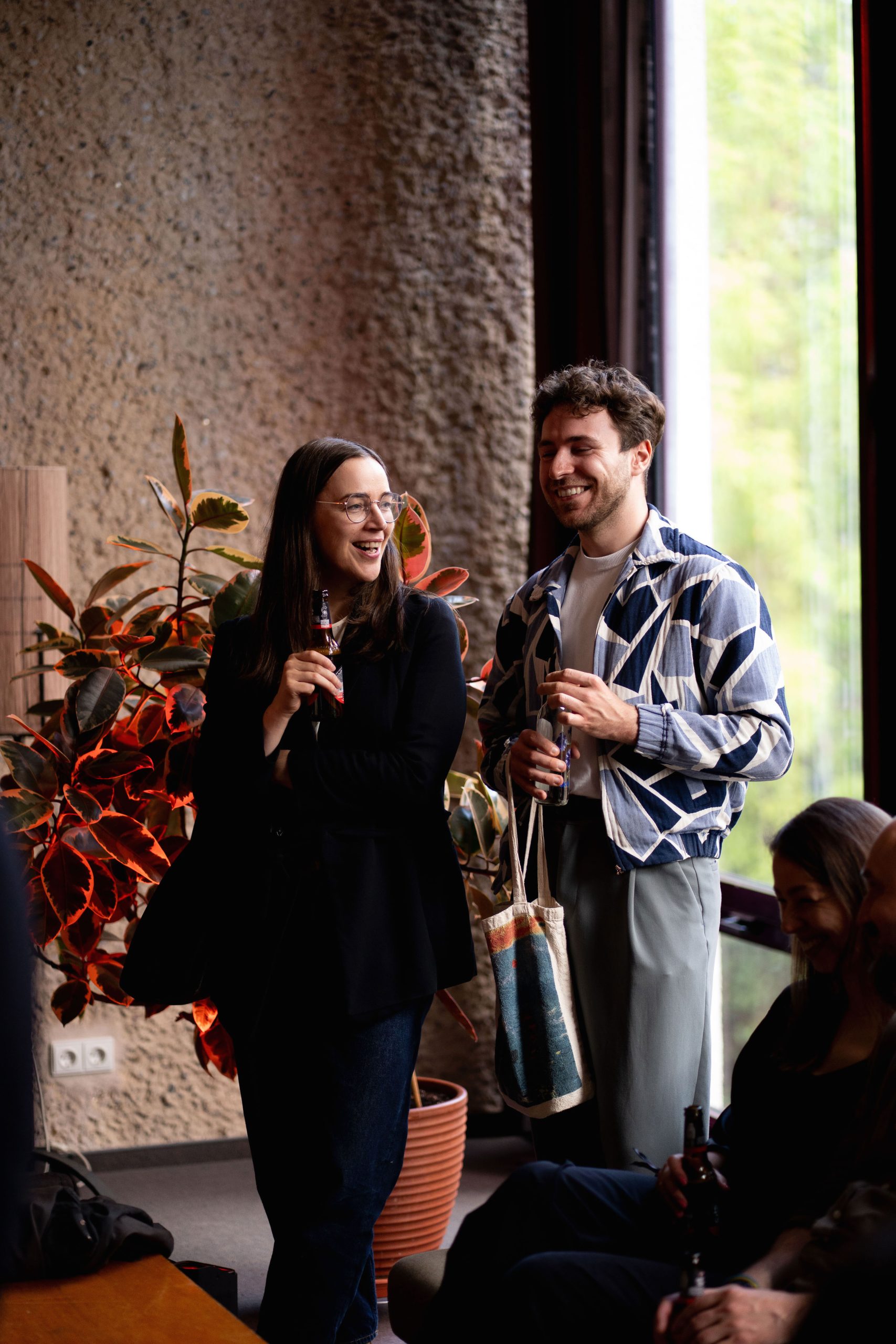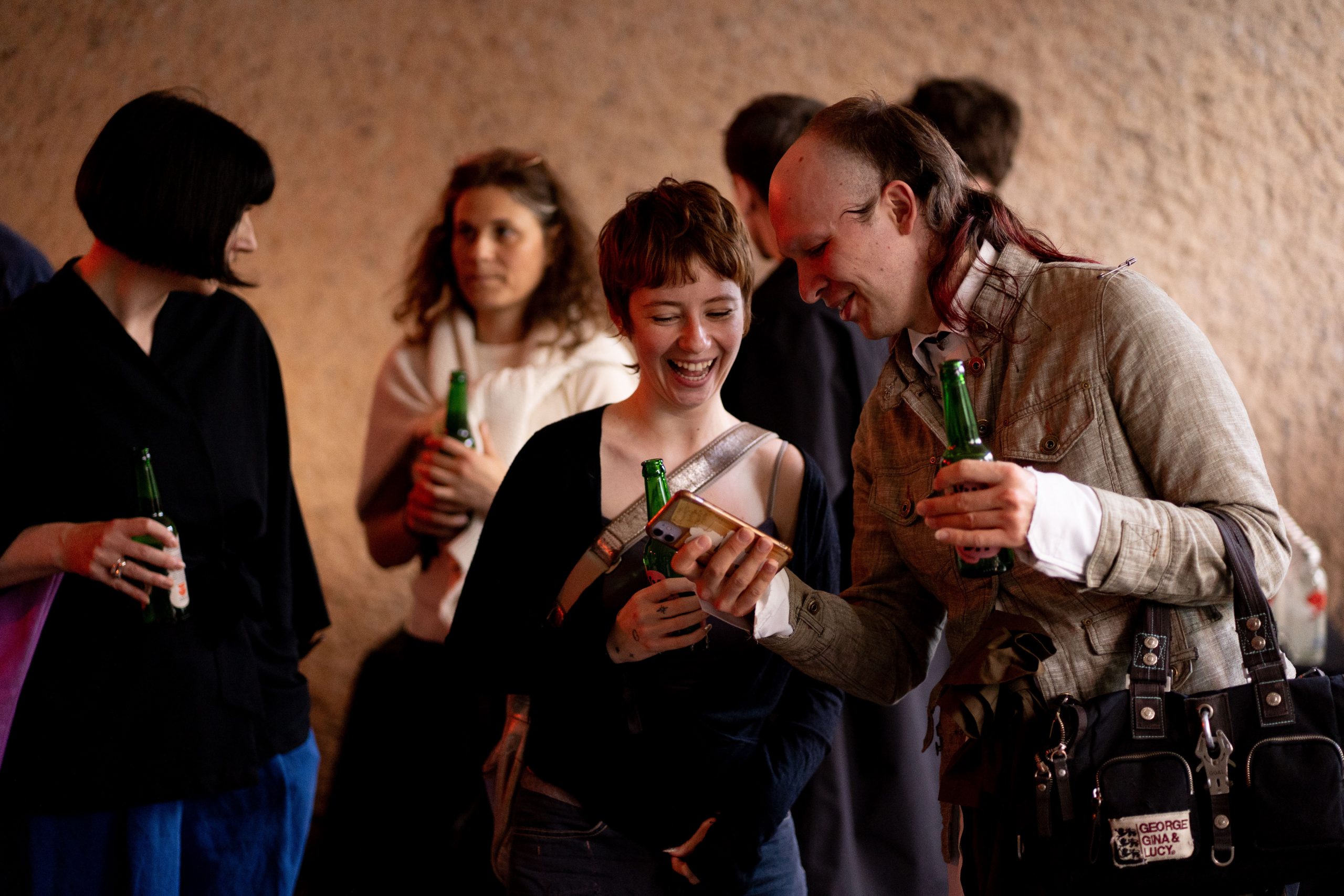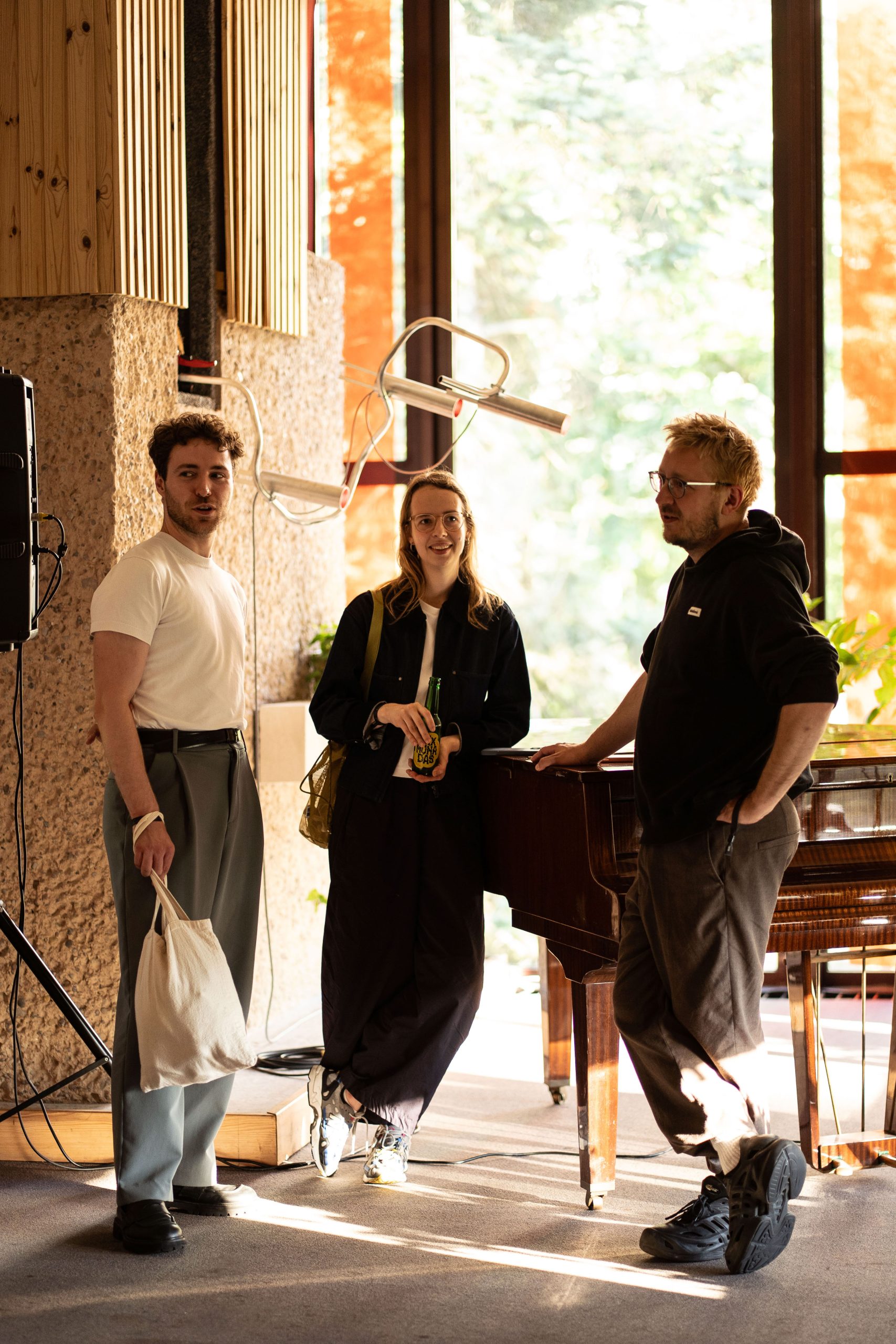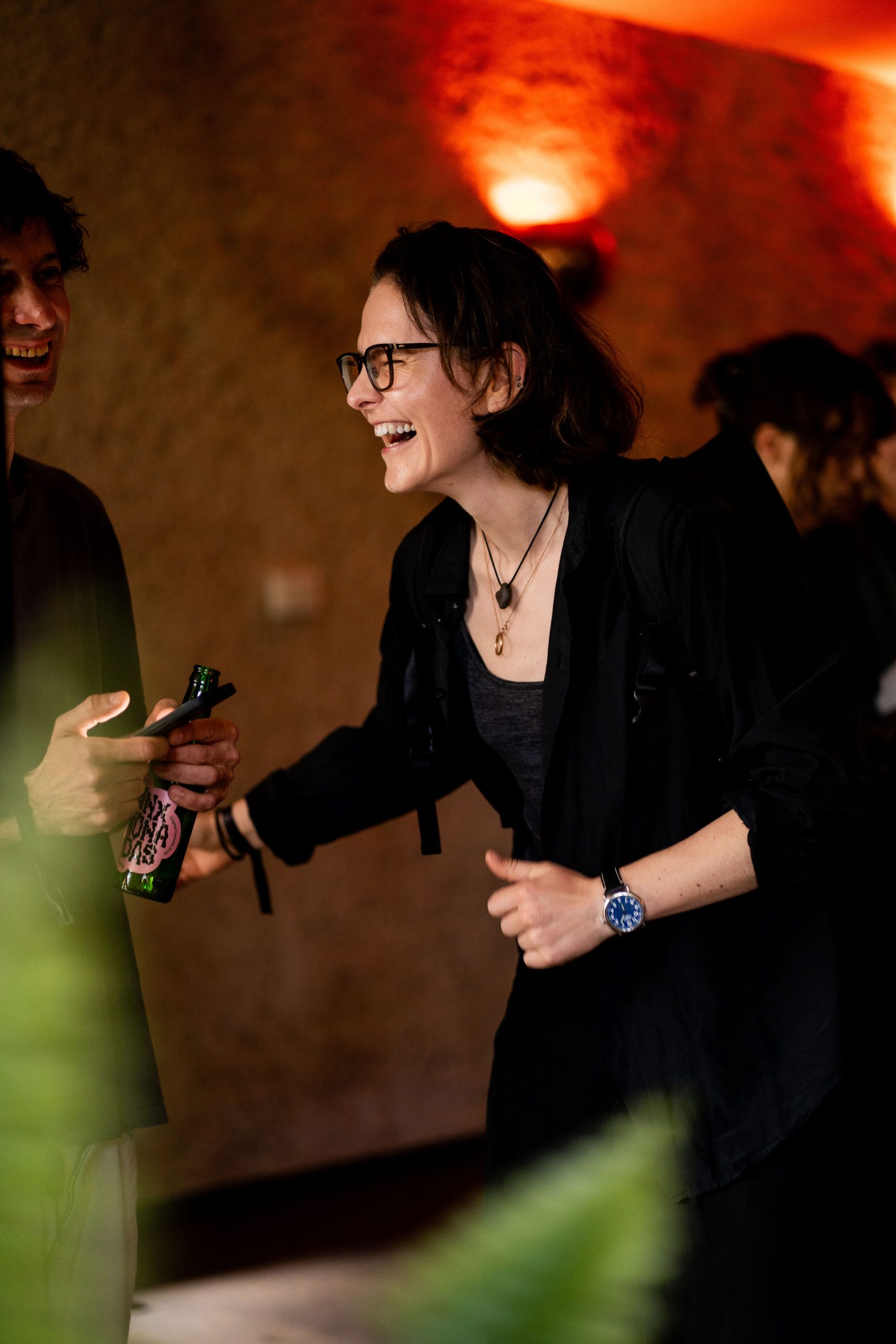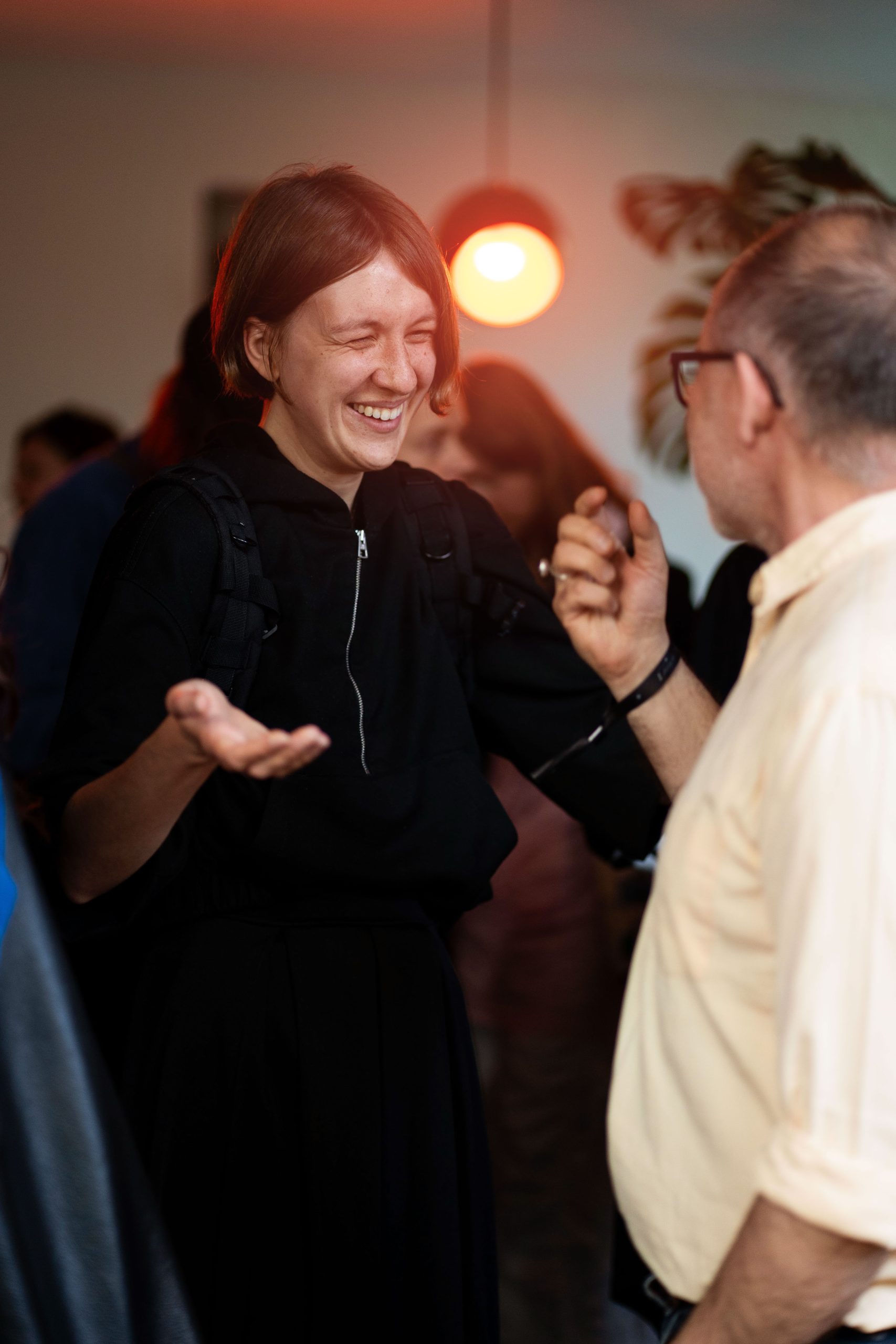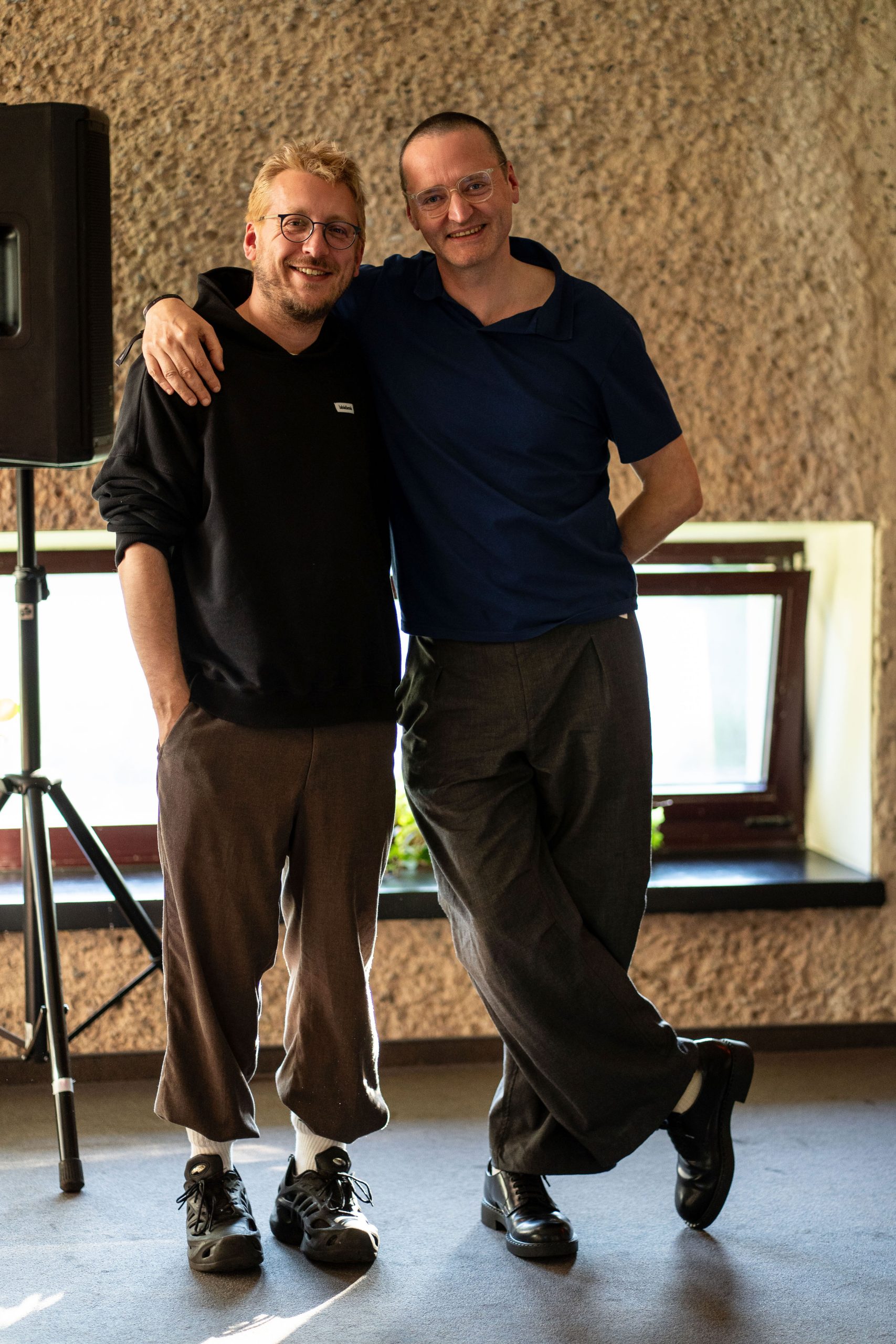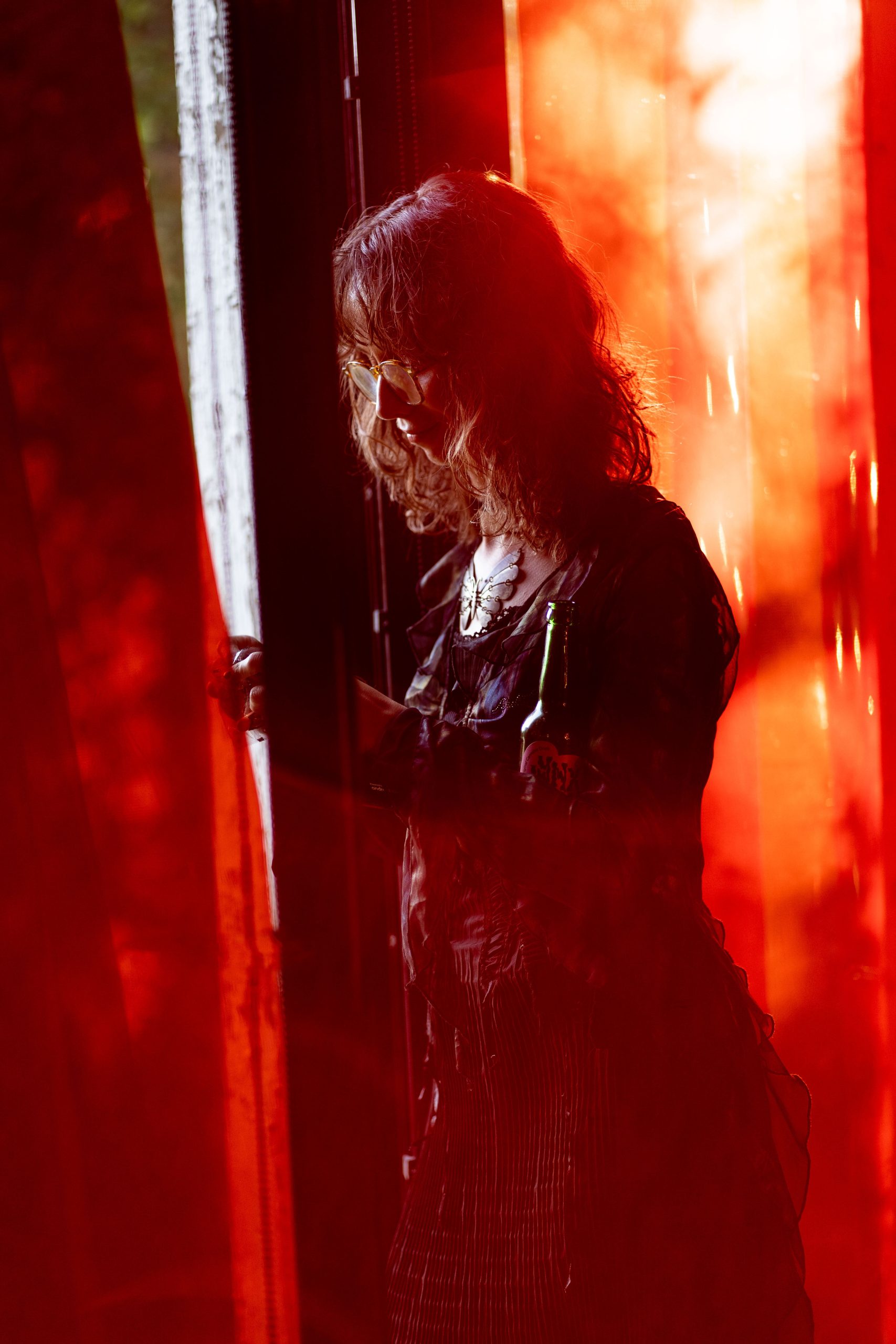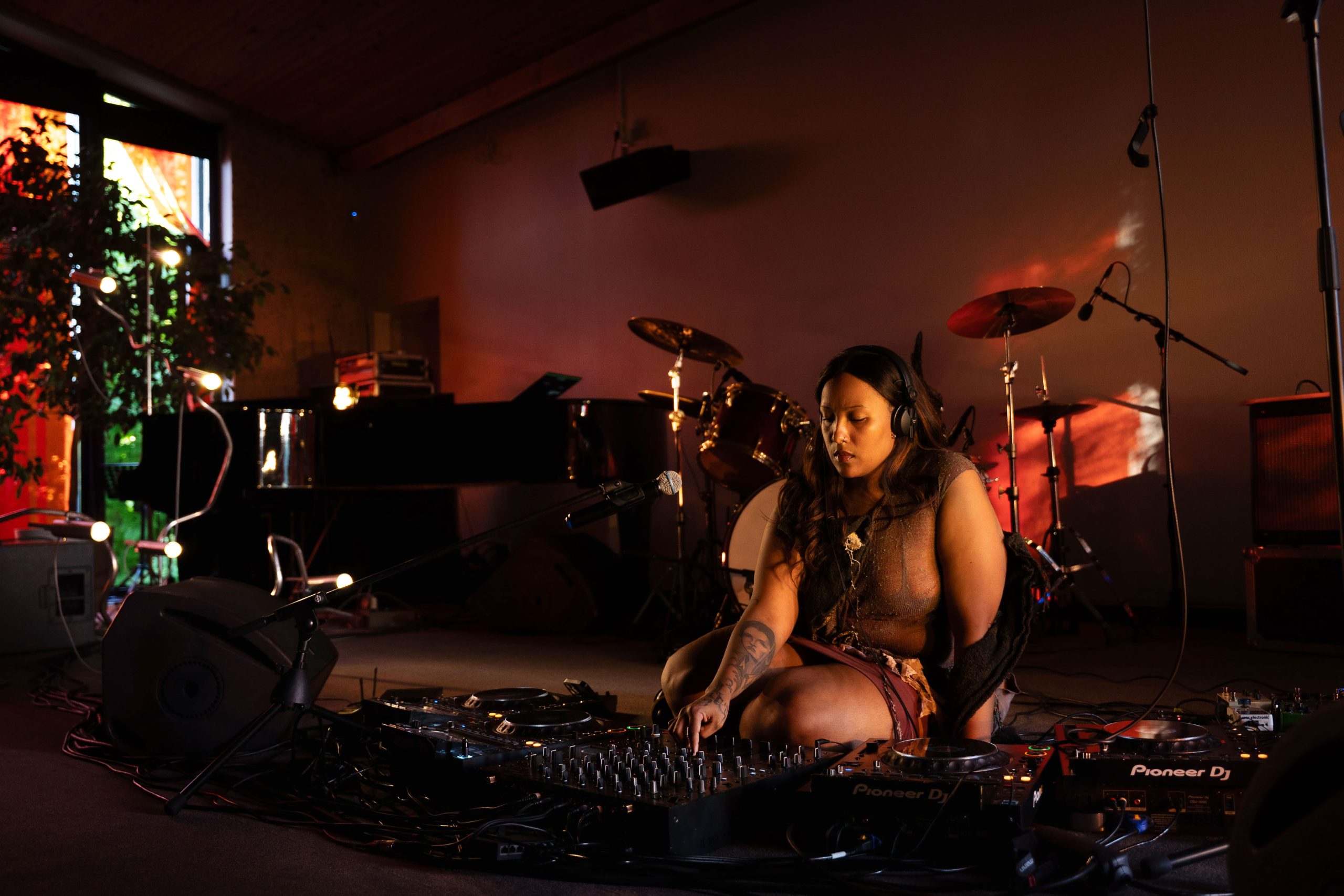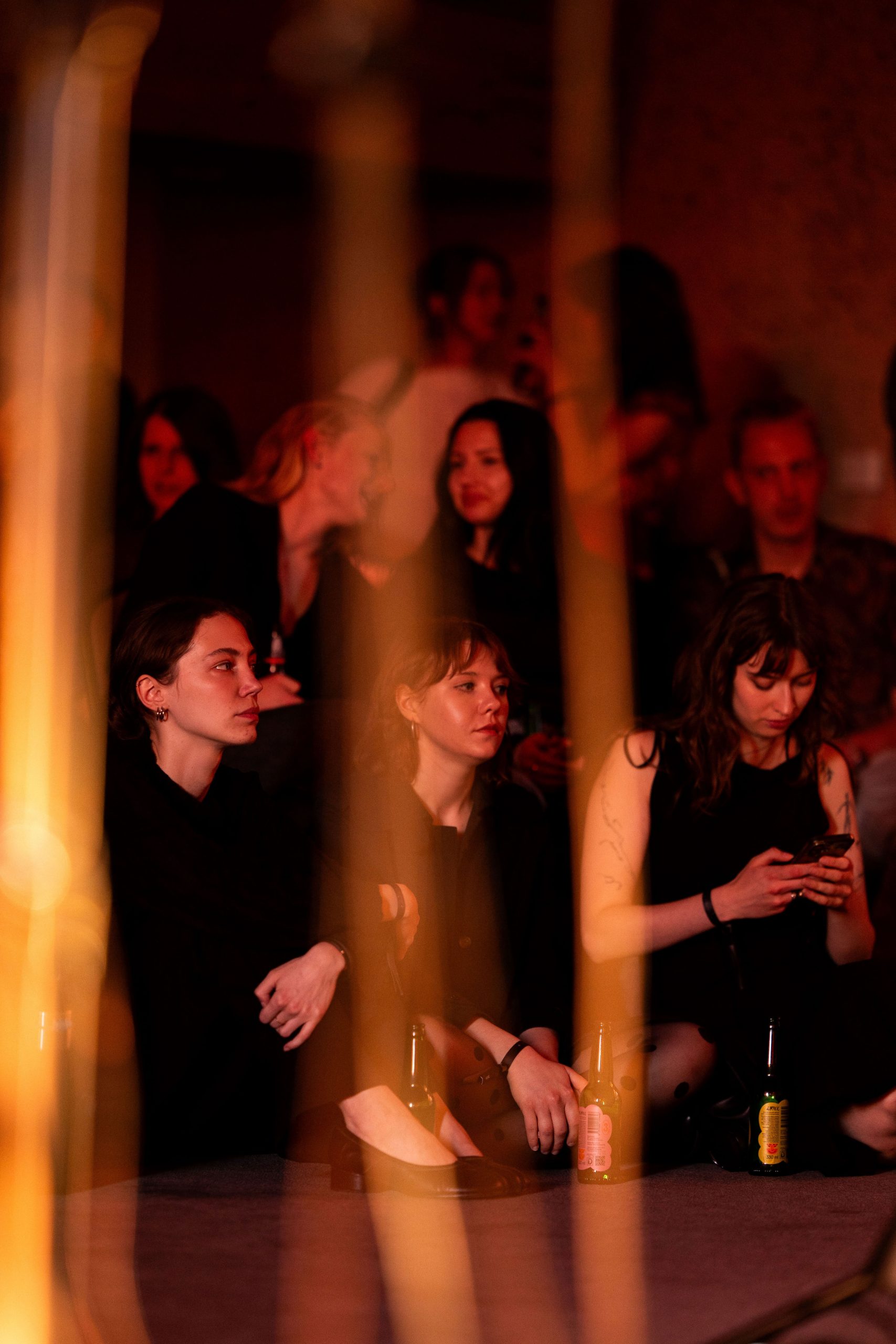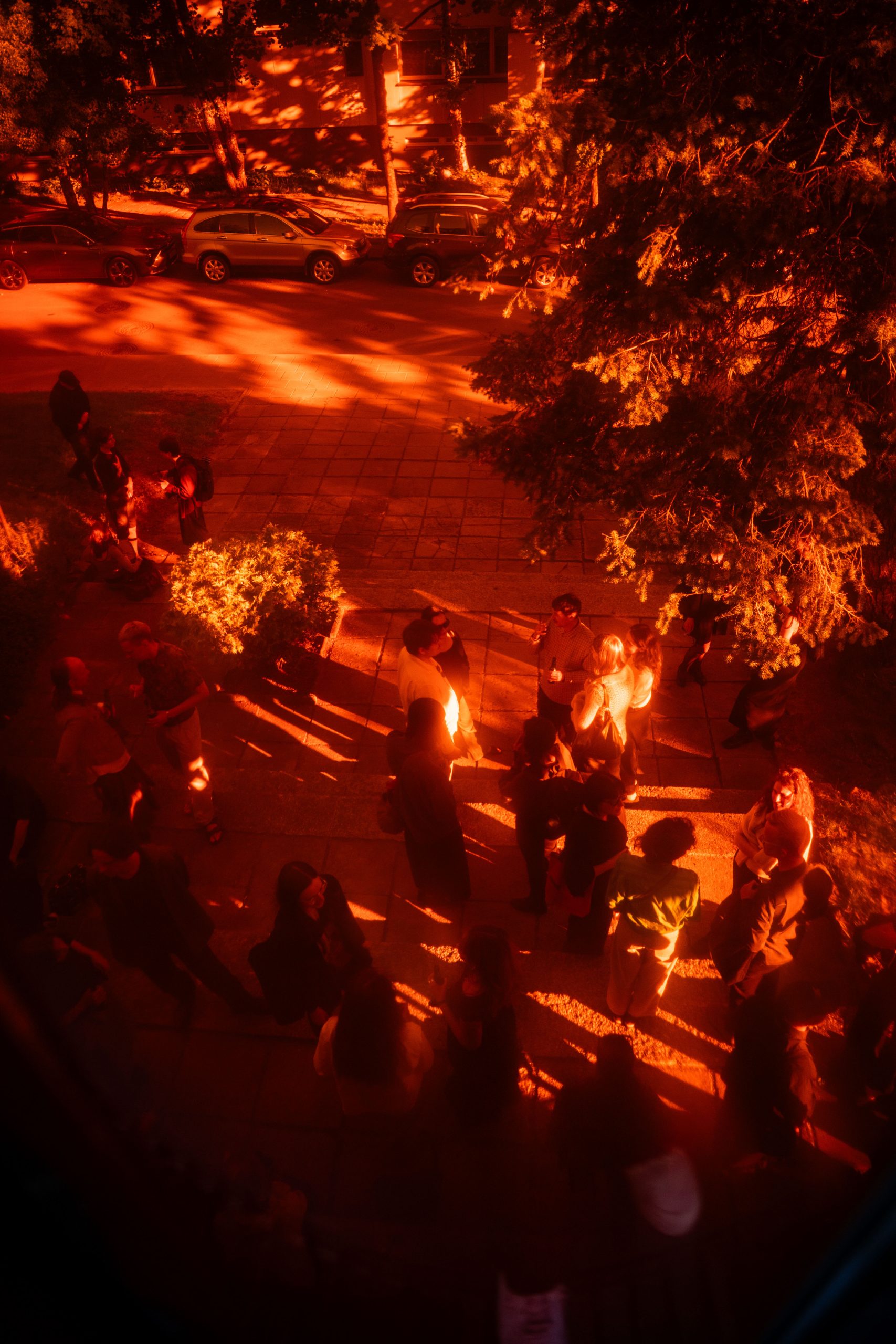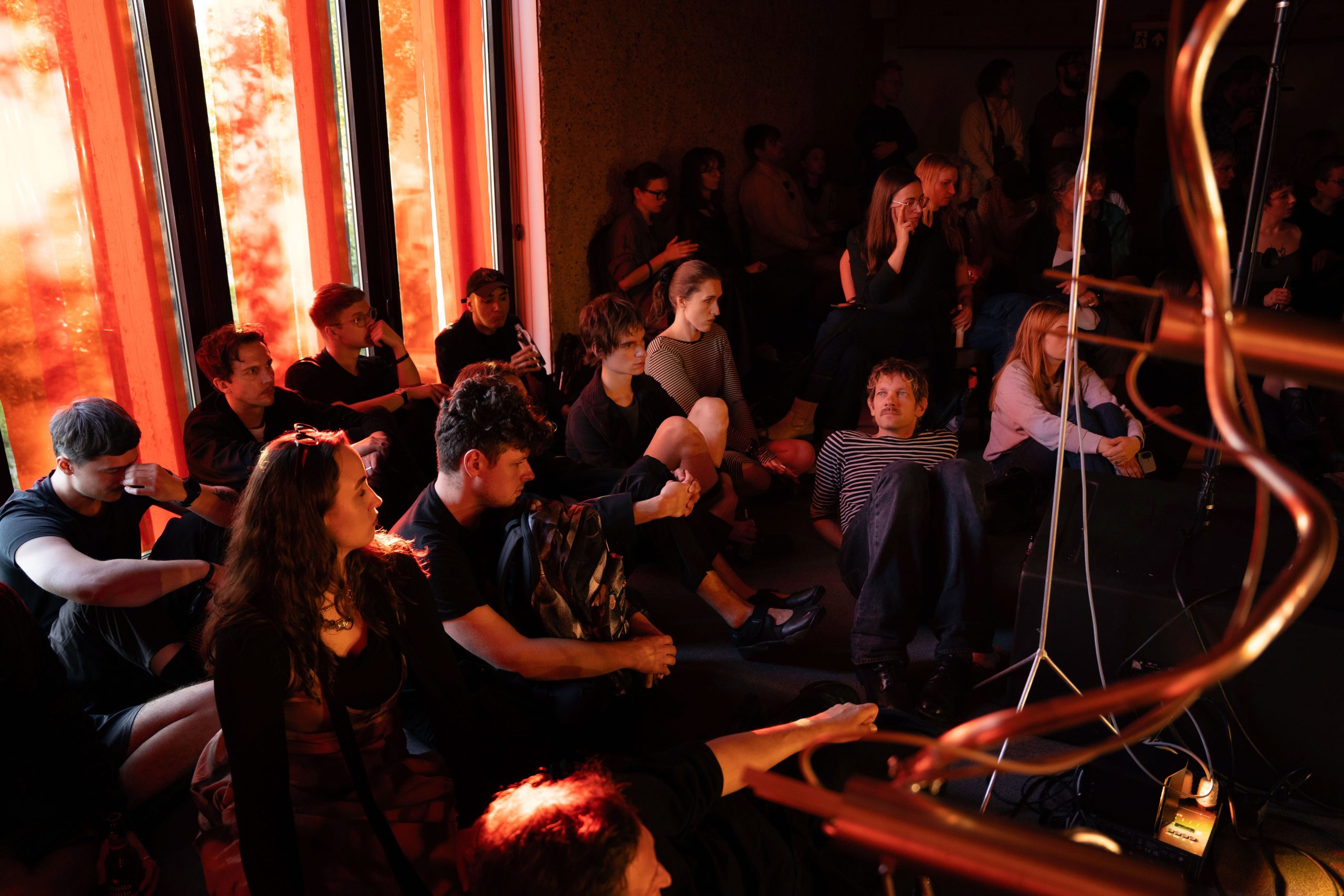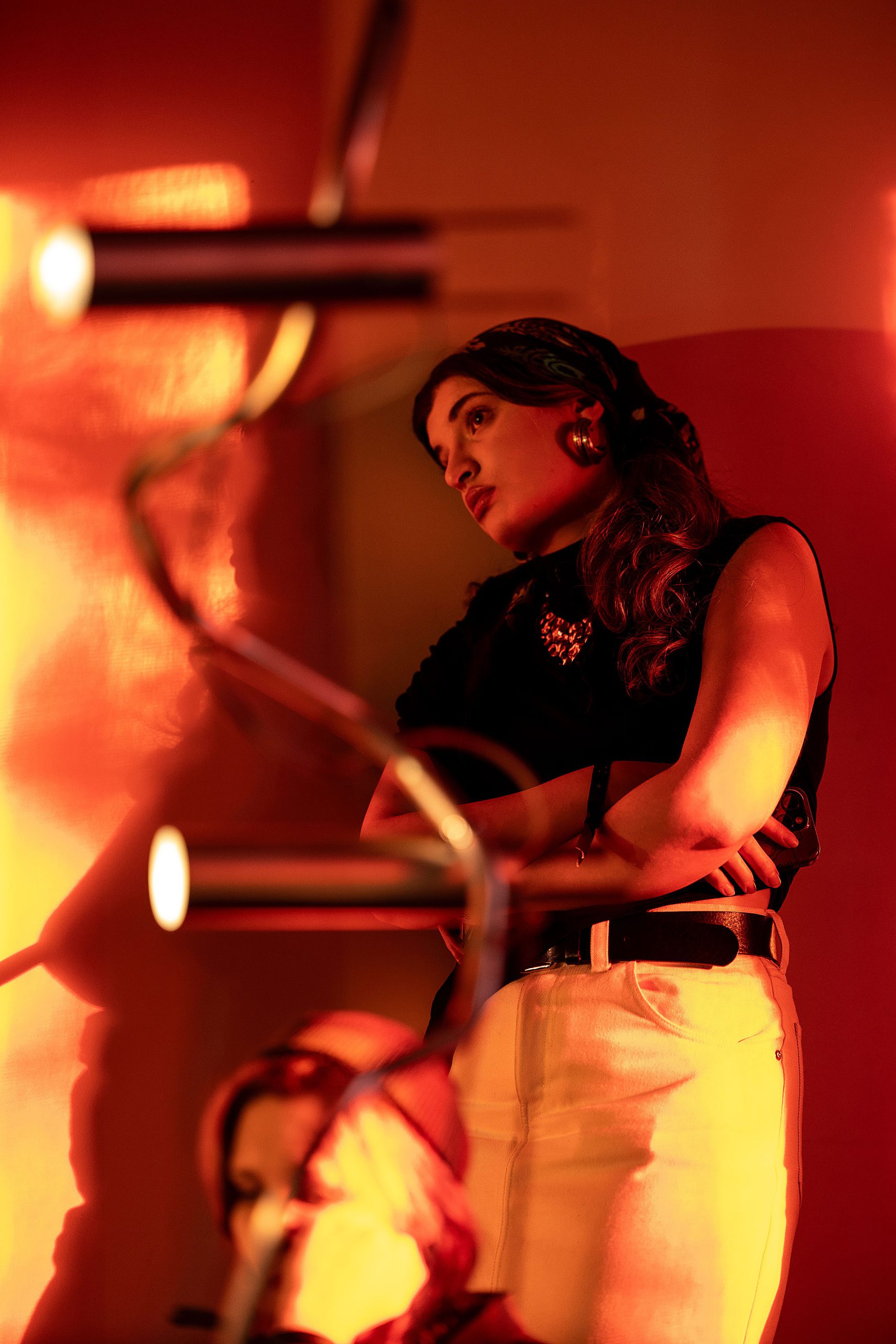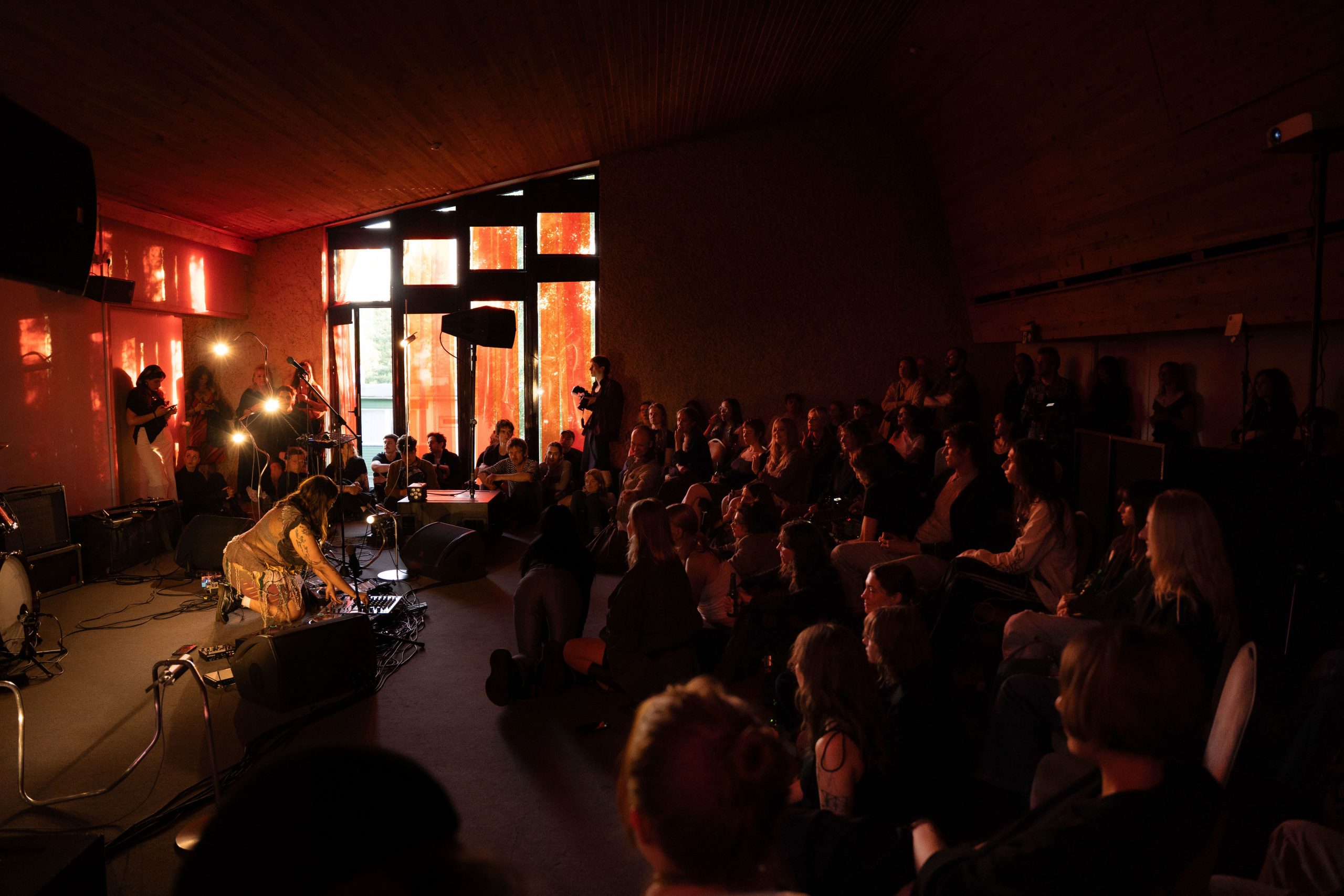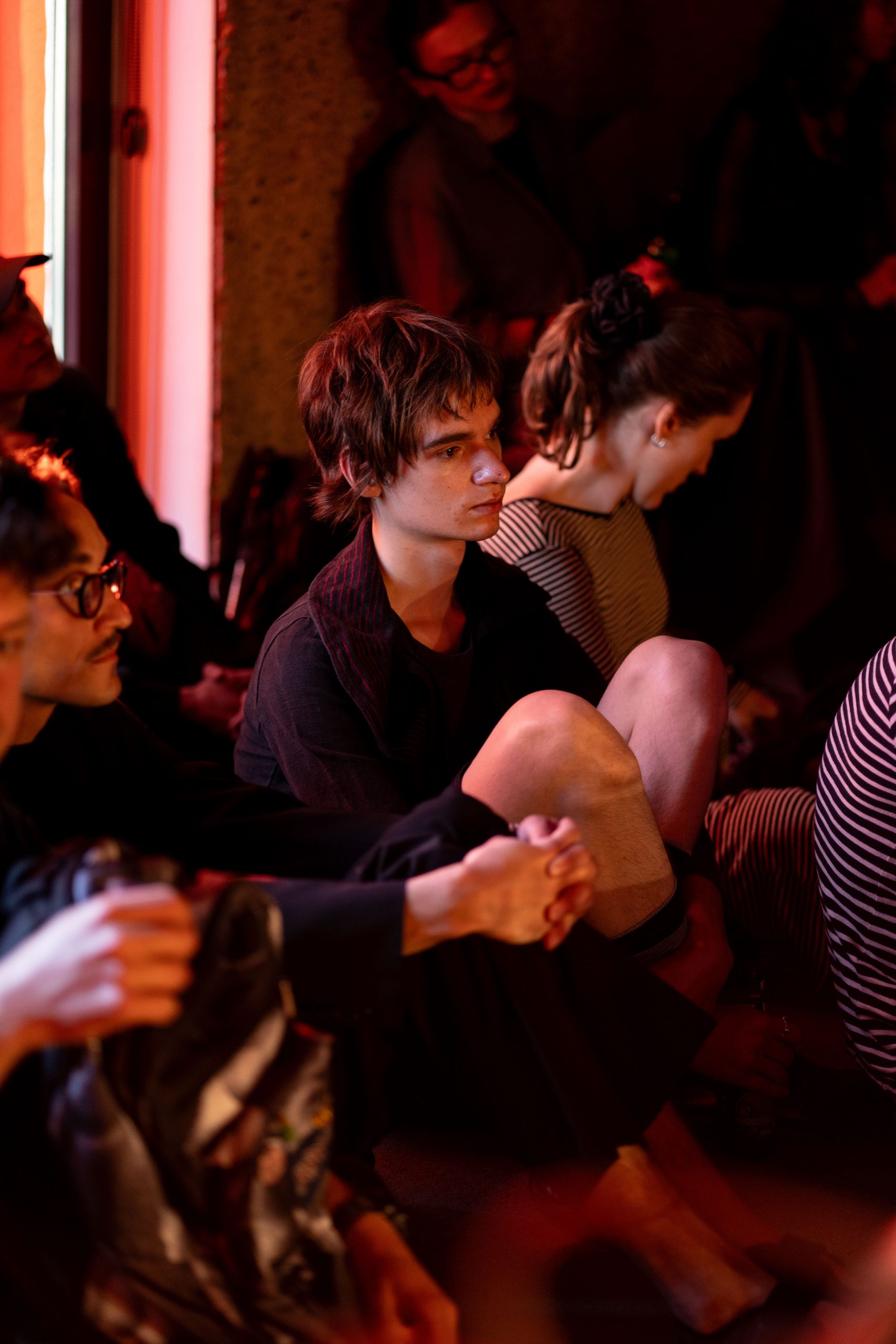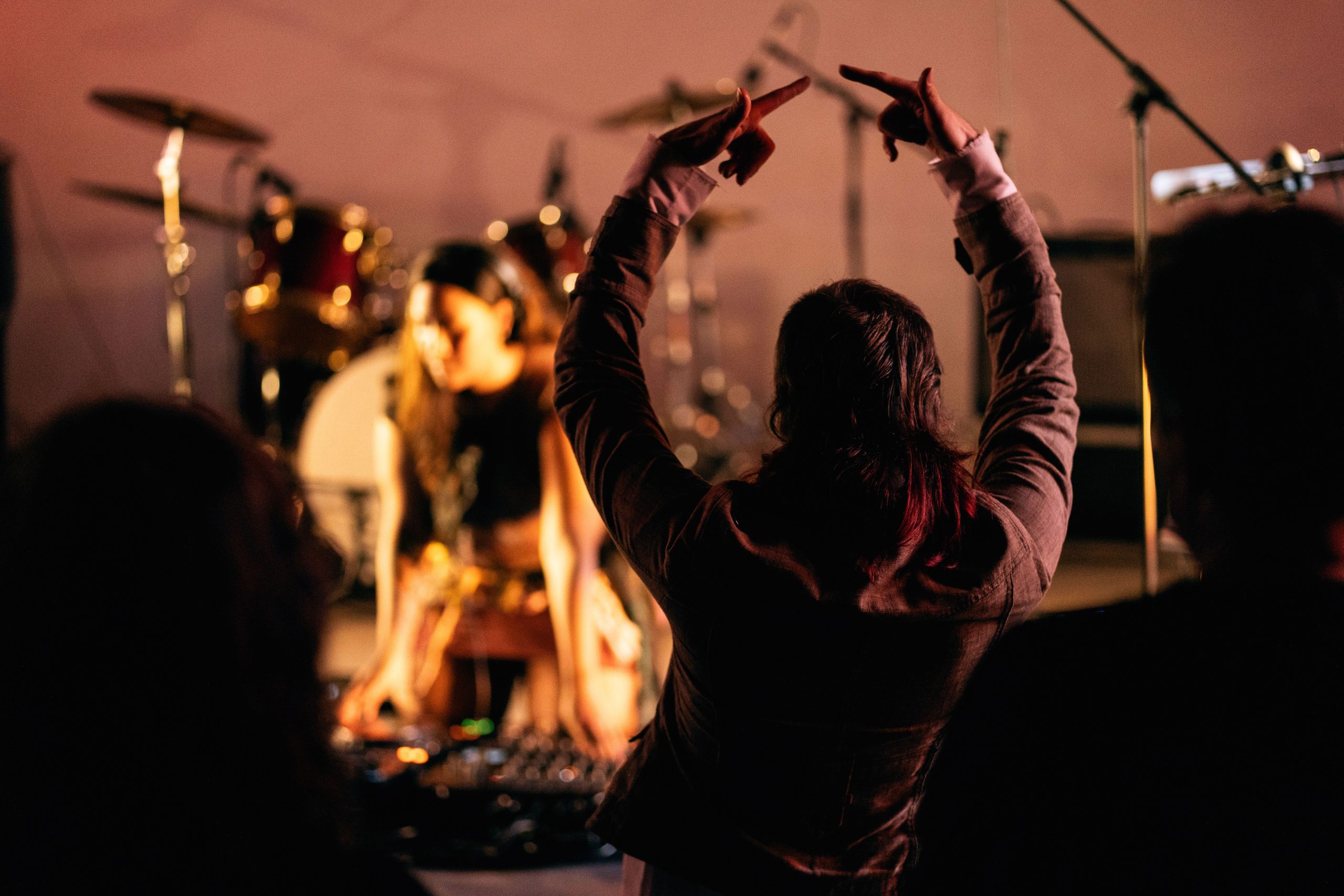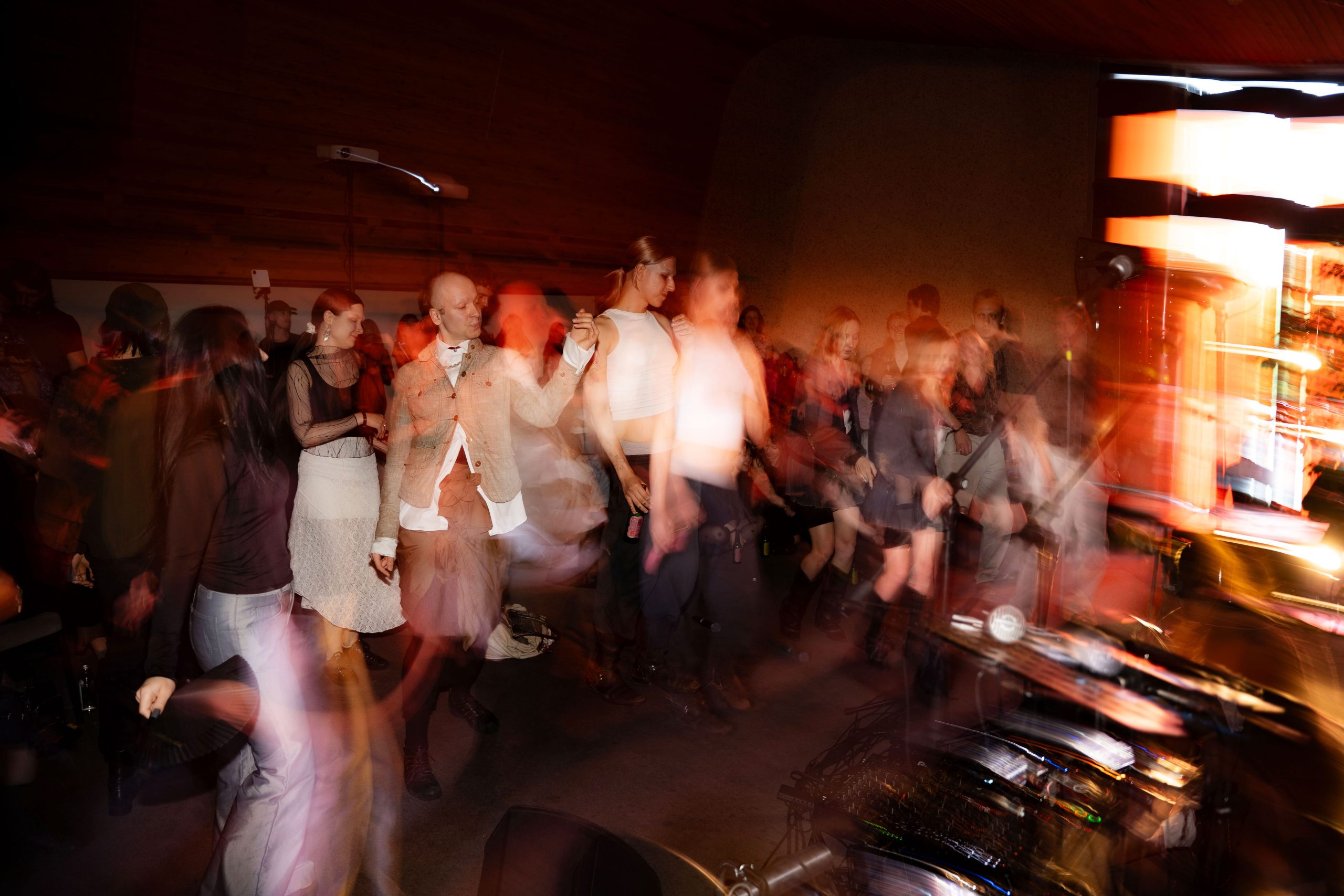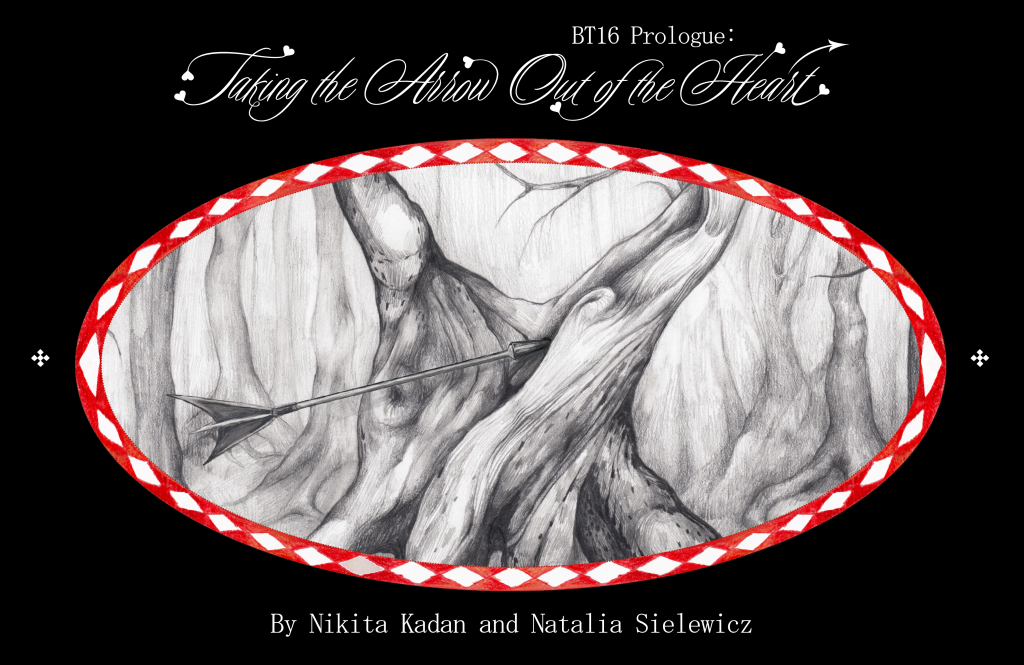
The Contemporary Art Centre invites you to gather on June 19, Friday, at 6:00 PM at the Composers’ House (A. Mickevičiaus St. 29, Vilnius), where the prologue to the 16th Baltic Triennial, “Taking the Arrow Out of the Heart,” curated by Nikita Kadan and Natalia Sielewicz, will take place.
This one-evening program of performative events will serve as an introduction to next year’s Triennial. Presenting the event and the forthcoming project, the curators write:
How do we pull the arrow out of the heart rather than yelling at the archer? asks poet Alice Walker. For the 16th Baltic Triennial Prologue Event, this question lingers like an unresolved chord. Walker reminds us that no one escapes those moments in life when sorrow, anger, or despair pierce the core, leaving us to reckon not only with pain, but with how we choose to respond to it.
This night, staged at the modernist Composers’ House, unfolds within that reckoning. Grief is present here as something both collective and unevenly borne, shaped by global suffering and profound moral failures. In response, poets, artists, and musicians gather not to offer solutions, but to intervene through attention, sound, and shared presence – to meet social heartache where it lives rather than turning away from it.
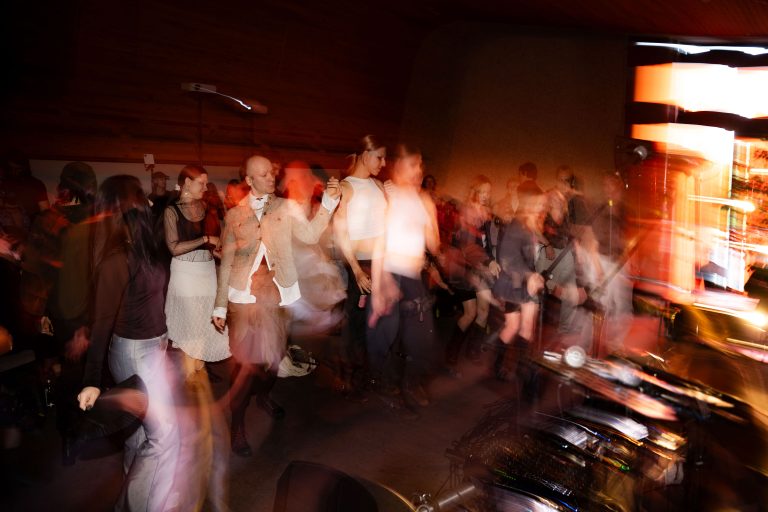
If such gestures feel insufficient, that insufficiency is part of the work. Despair and mourning are approached not as conditions to be resolved, but as spaces of listening, where patience, porosity, and care become possible. To remain with despair is an act of fidelity: an attunement to what has not yet vanished, to the faint persistence of hope beneath lament, and to what waits quietly to be heard again. If this moment demands grief, then let it unfold in unexpected, unruly ways – ‘Hard times require furious dancing’, Alice Walker reminded us – and afterwards we shall proceed with moving wildly.
PROGRAMME
6 pm
Welcome by CAC director Valentinas Klimašauskas
6:10 pm
Statement by curators Nikita Kadan and Natalia Seliewicz
6:30 pm
Reading by Asia Bazdyrieva
on geopolitical mode of communication
In her reading, Asia Bazdyrieva will address the relationship between language and territory. The geopolitical mode of communication is the one that explains, and differentiates, and is using the ‘I’ as a time-stamp and a map to index a territorial regime, whose subjects are always less than an ‘I’ as they are also a land, and more than an ‘I’ as their voices are not about the singularity of their own lived experiences. They are a plurality of inscriptions — the geological and geopolitical encodings that make every ‘I’ environmental in a place where the notions of public and private have long been blurred through collectivisation, resistances, and the air.
7 pm
Reading by Agnė Jokšė
A Work Yet to Be Titled
7:20 pm
Reading by Iryna Zamuruieva
Agros, Eros and Thanatos
At the event Iryna will perform a reading of her recent flash fiction text Agros, Eros and Thanatos – a caleidoscopic dream journey ascending the kurgan and descending into its radioactive underworlds. The plot is murky, but there’s mud and there’s language: a yellow petal falls and leaves nothing unchanged.
7:40 pm
Break (approx. 20 mins)
8 pm
Performance by softchaos
Toward Critical Fabulation: issa carry but it’s cute down here babygirl
What if wet places—streams loosening their banks, marshes breathing underfoot, shoals shifting just out of reach—were not margins but beginnings? Not the edge of things, but their first murmur. A place where autonomy germinates quietly and gives space to determine what we do post collective grievance.
Avoiding definitive conclusions, softchaos offers propositions that become provocations for us to collectively manage. Can we radicalize the technology of the swamp in this particular moment?
In this reading, softchaos will present original long-form writing that addresses liminal shoal politics interspersed with textual commentary and sound design. This experimental format is an opportunity to practice a nontraditional offering of conversation or Sprechgesang, blurring speaking and making music.
Given the economy of the form, the stillness of this imagined terra inferma also encourages unruly misfits to use the space for re-routing, and rebellion as counter-antagonisms. Using the swamp as an undercommons-framework, softchaos proposes that specific boundaries can house expansive ideas.
As such, the swamp is a fugitive geography: a site of opacity, refusal, and collective survival beyond the reach of imposed order towards the mess of thinking together. Here, technology is understood not as extraction or optimization, but as a submerged practice of (dis)located attunement—an embodied knowledge shaped through escape, resonance, and relation.
8:30 pm
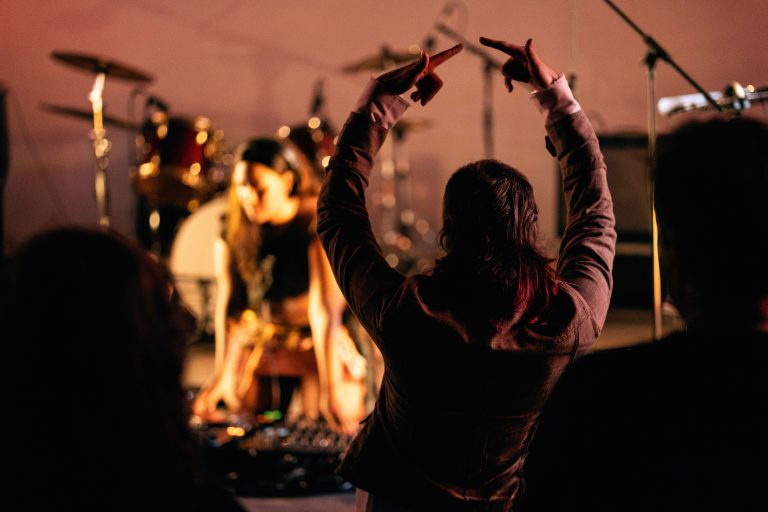
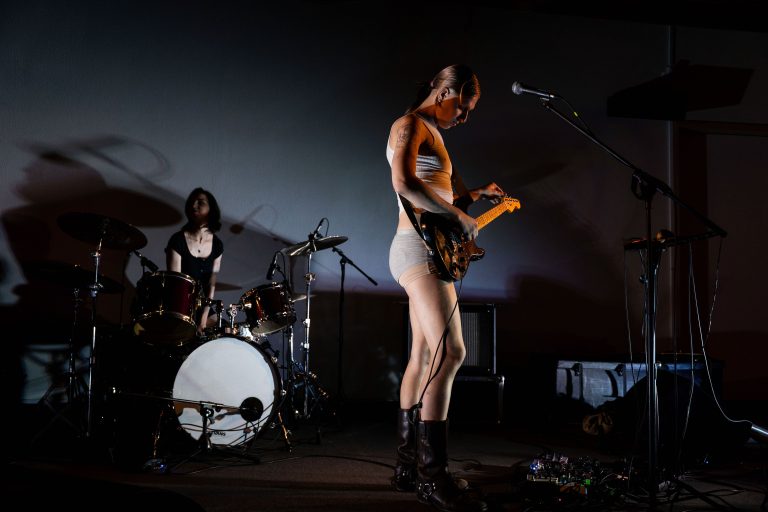
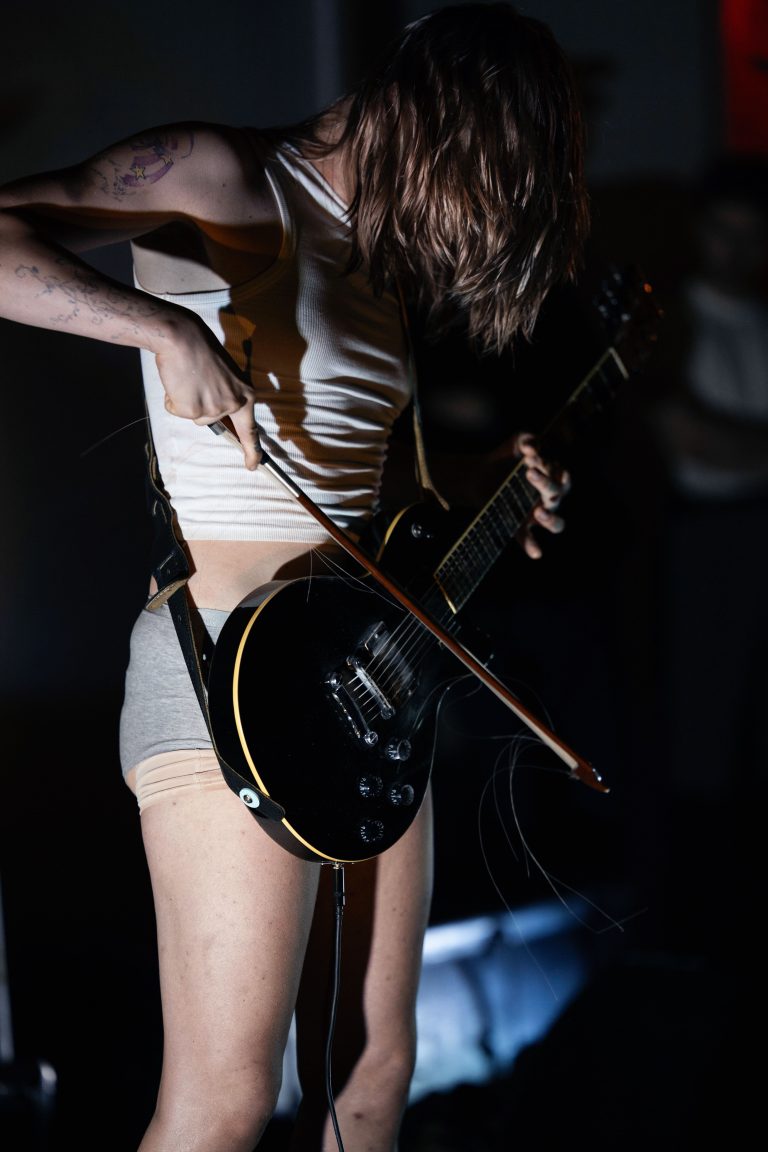
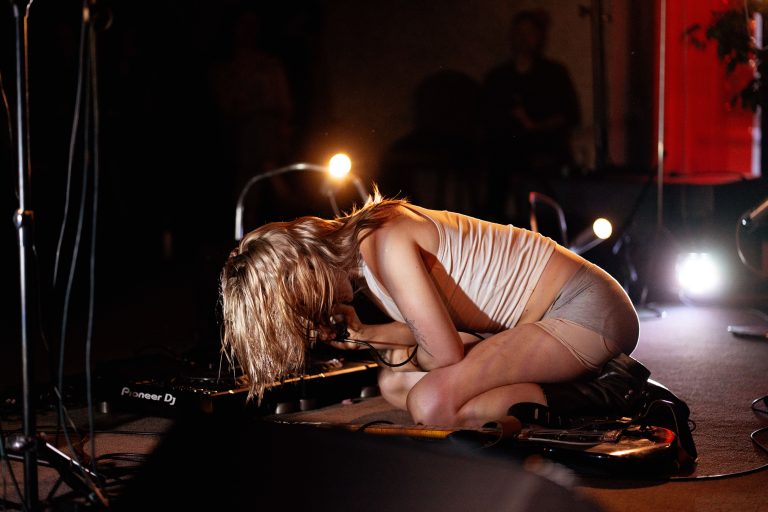
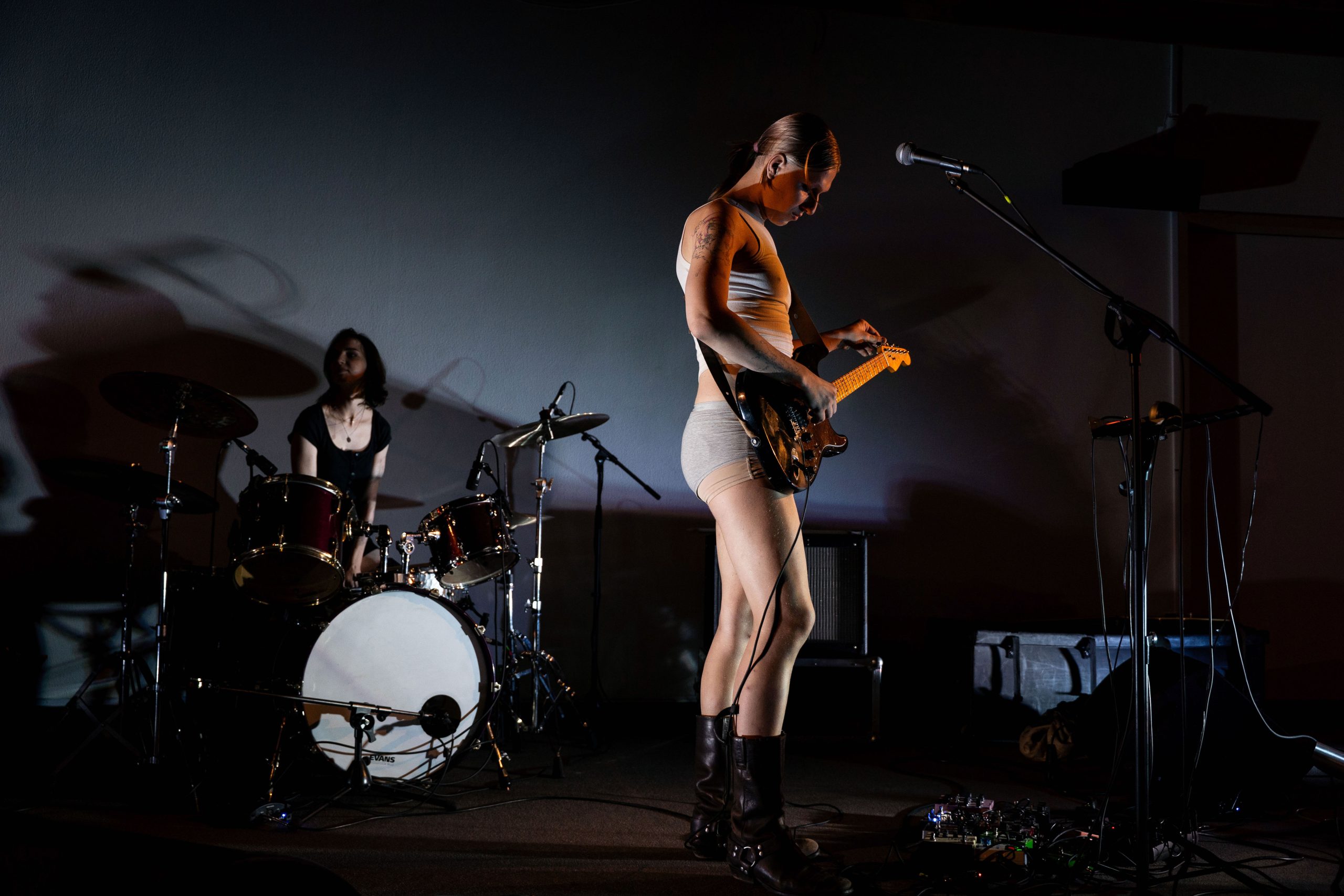
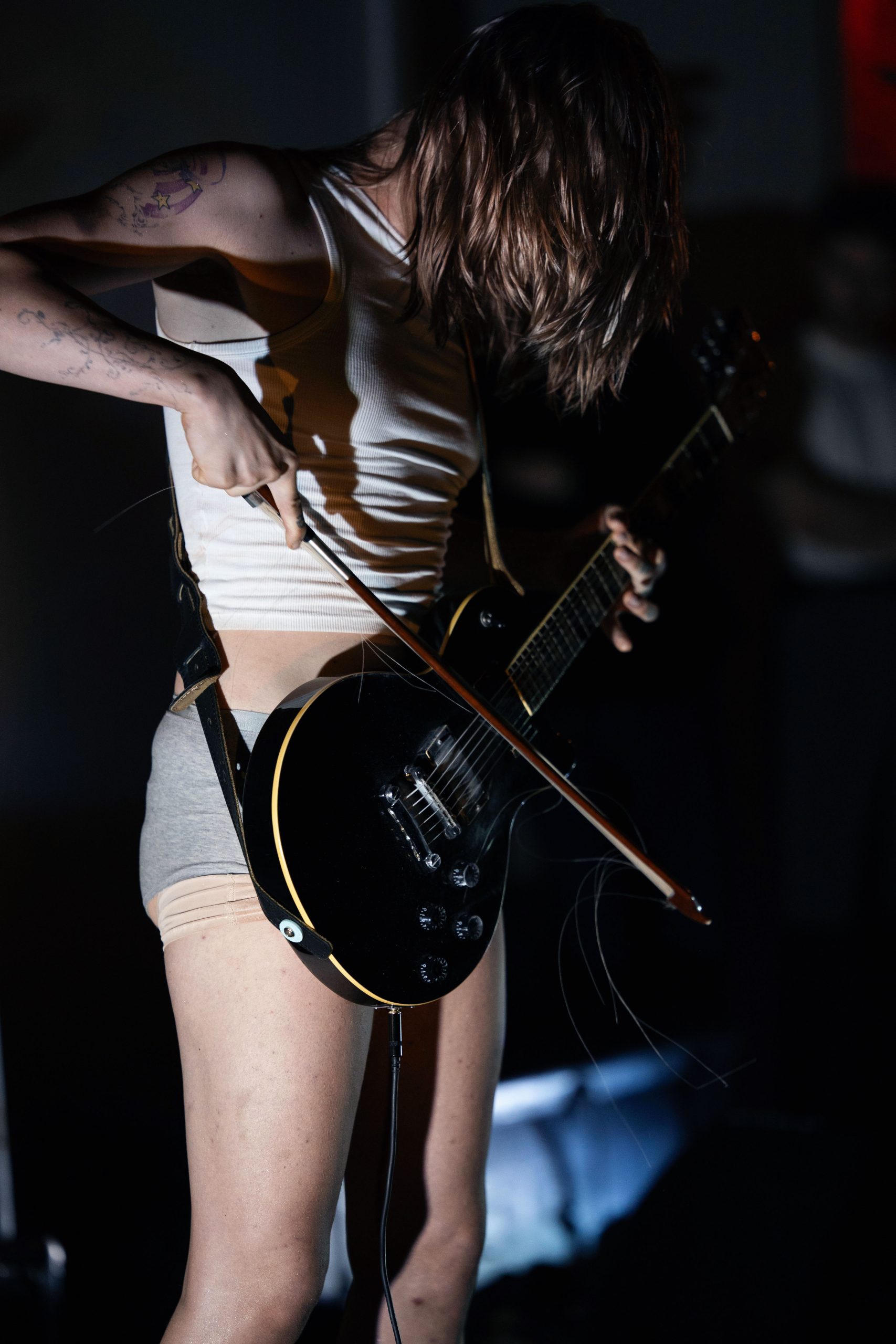
Performance by Bastard Bath
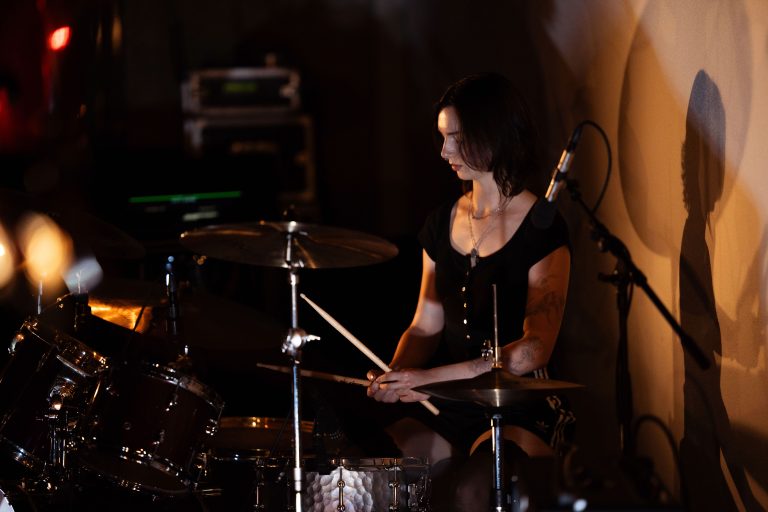
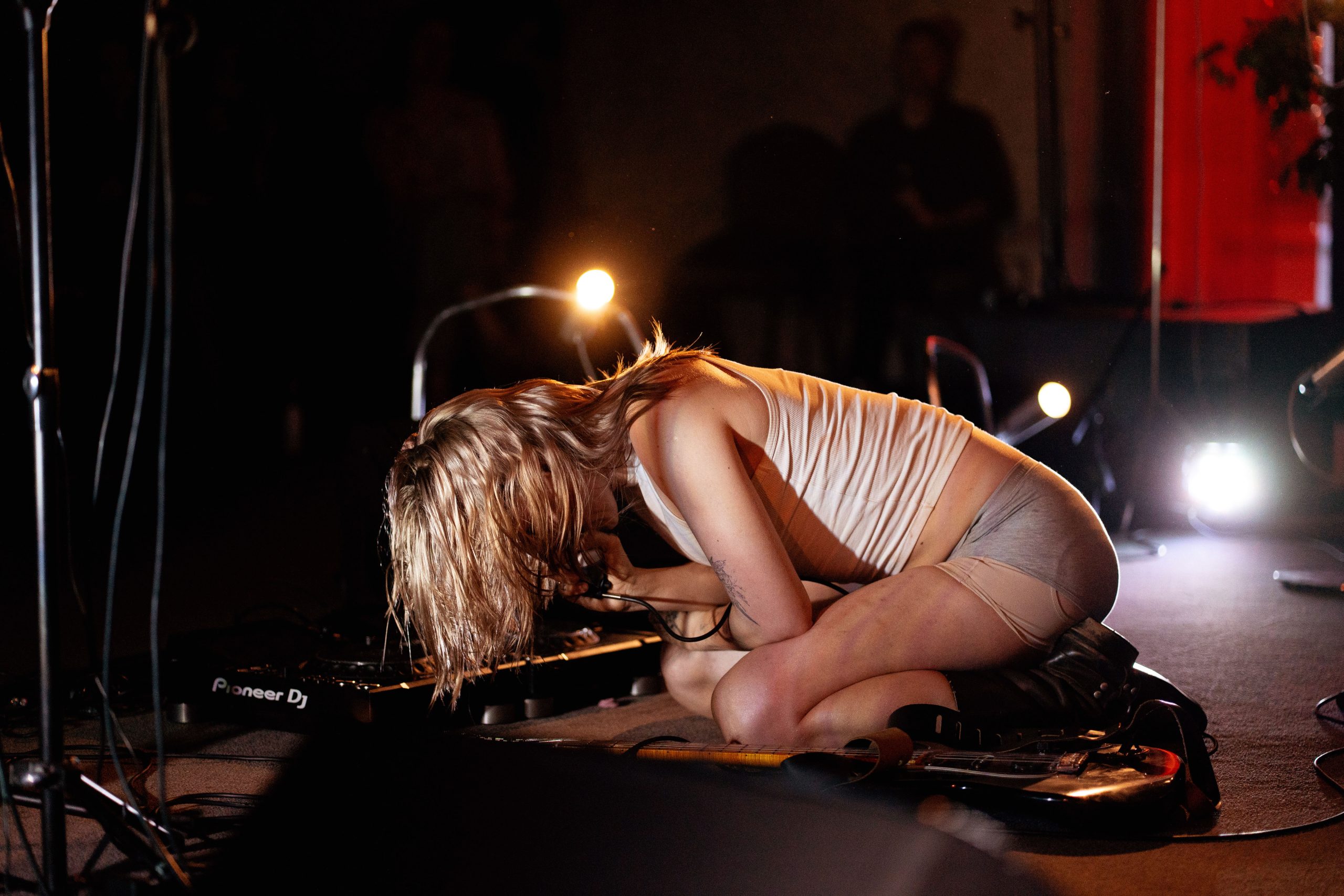
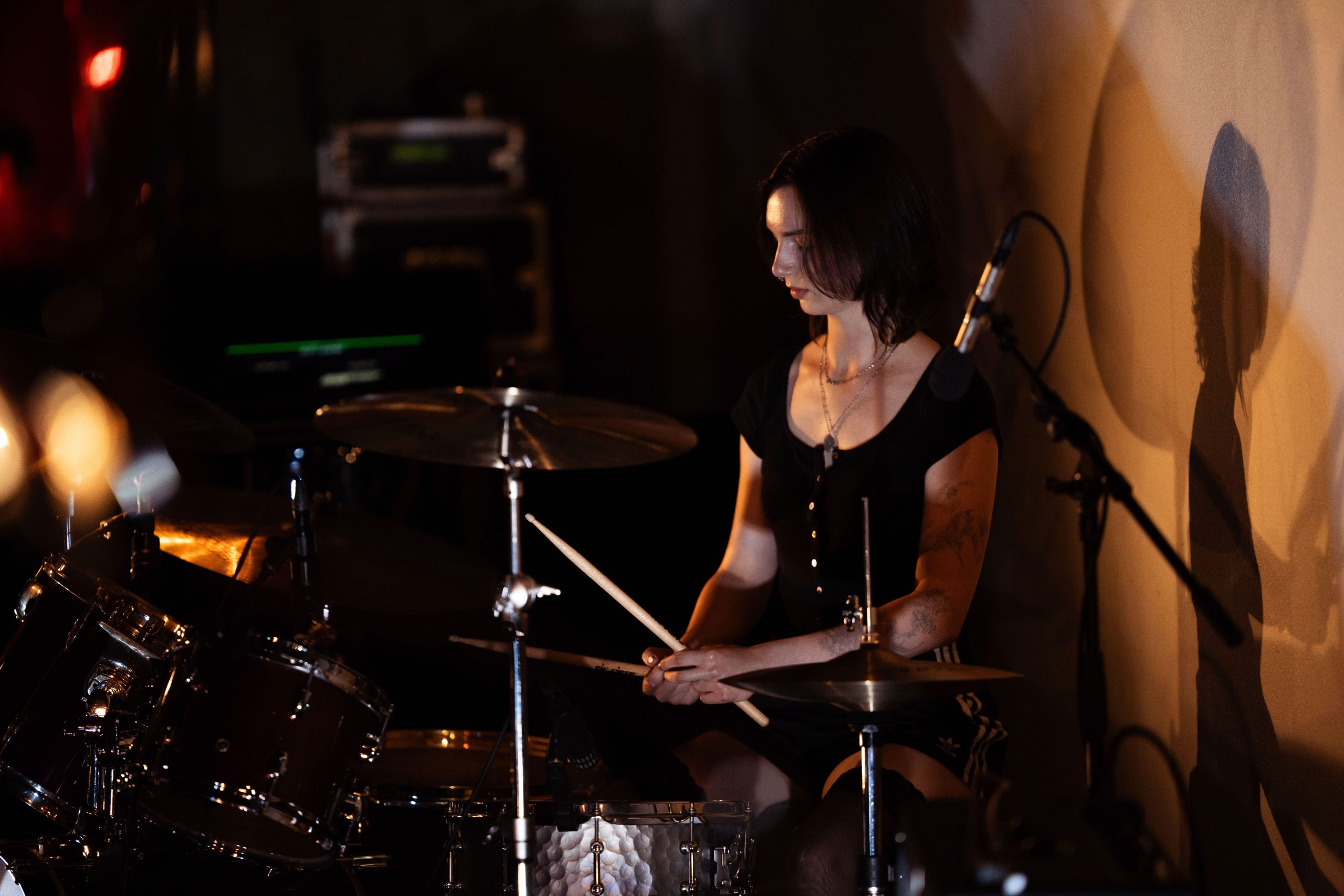
Bastard Bath is a performance duo formed by Kuba Stępień (guitar, synths, vocals) and Maja Gajewicz (drums), dismantling and reassembling femme transgression through the raw force of grindcore and experimental metal. Blending noise, abrasive guitar textures, blast-driven percussion, and fractured genre tropes—from trap rhythms to glacial, grief-soaked lyricism, Bastard Bath becomes a sonic meditation on survival, rage, and radical self-exposure. Violent yet vulnerable, their performances inhabit the space between collapse and catharsis, confronting tenderness through extremity.
9:00 pm
Break (approx. 30 mins)
9:30–11 pm
DJ – Eglė Trimailovaitė
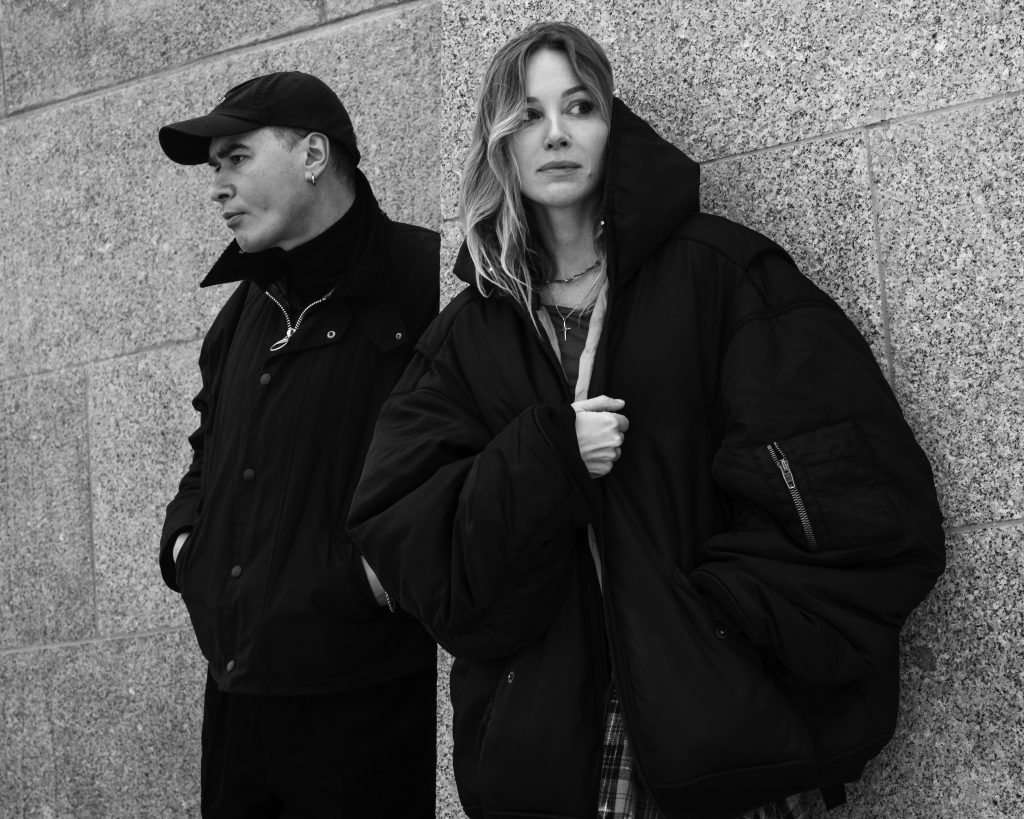
NIKITA KADAN is an artist based in Kyiv. His work focuses on past trauma and everyday survival in Ukraine, with a particular interest in collective memory and historical politics. Since 2022, his practice has explicitly addressed the war in Ukraine. Kadan has also curated number of projects, including ‘Tryvoha’, presented in the basement of Kyiv’s Voloshyn Gallery, converted into a bomb shelter during the first months of the full-scale Russian invasion in 2022, and ‘Looking into the Gaps I–IV’ (2024–26), a travelling and evolving exhibition, realised across Kyiv, Dnipro, Lviv, Sokołowsko, Berlin, Teshima and Tokyo, dedicated to interrupted narratives within Ukrainian art.
NATALIA SIELEWICZ is an art historian and writer, currently serving as Chief Curator at the Museum of Modern Art in Warsaw. Over the past ten years, she has curated numerous exhibitions at the museum, most recently ‘Maria Jarema. Cracked Modernism’ (2026, with Éric de Chassey). In 2026, she will curate the Estonian Pavilion at the 61st Biennale di Venezia, presenting the artist Merike Estna. Her writing and curatorial practice often interrogate feminism, affective politics, and the technological conditions shaping contemporary subjectivity.
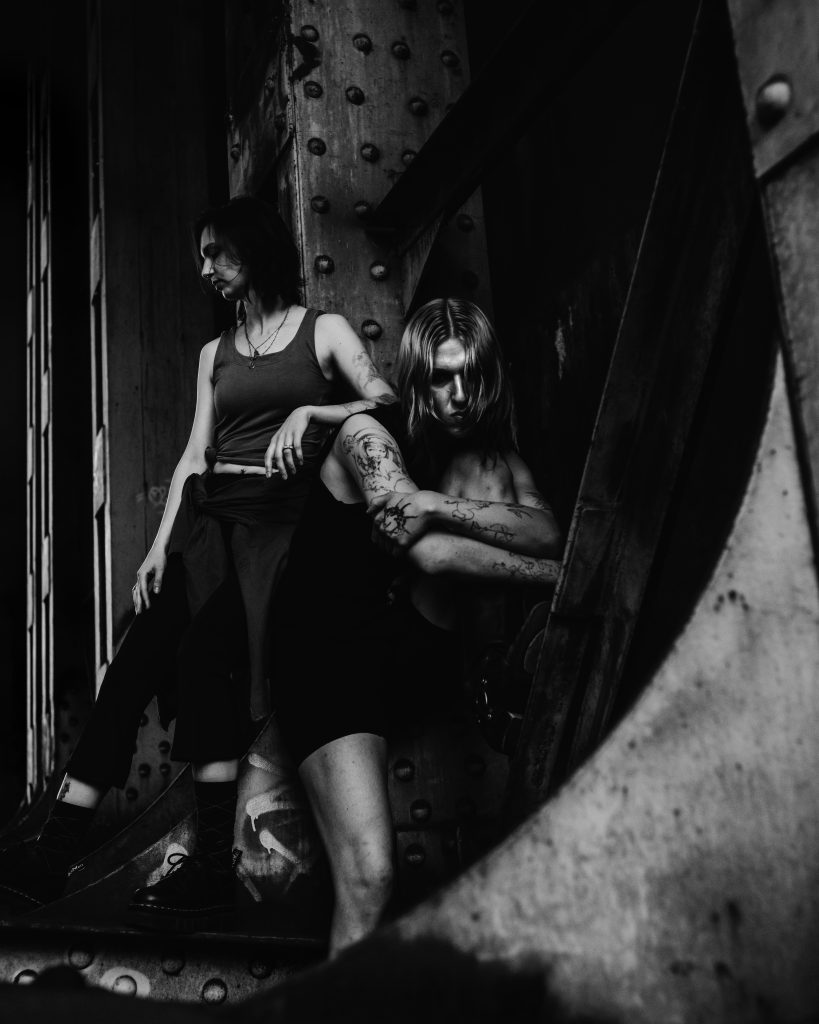
BASTARD BATH is a performance duo formed by Kuba Stępień (guitar, synths, vocals) and Maja Gajewicz (drums), dismantling and reassembling femme transgression through the raw force of grindcore and experimental metal.
KUBA STĘPIEŃ (b. 1997, she/they)is an artist working between Berlin, Warsaw and their hometown – Bełchatów. Her practice is based on a widely defined process with a big accent on experimental emotional research, emotional critique, auto theory, trans-fem and non-binary perspecitves. She uses video, performance, sound, her body fluids and other various media, tools and materials that can be viewed as irrational or frivolous. Often pursuing performative notions, she works in regards to and with her own body, a collective body, creating body-like creations, works, understanding multiplicities outside of own’s trauma, working-class upbringing in a mining town and queer-world building. Working inbetween media, she transfuses them with each other aiming to explore notions of indeterminacies that absorb fictions and fantasies in relation to visual representation, as an alternative to dreams. Challenging the standards of normative communication and binary orders, she examines potentials of the non-normative, grotesque, horror, cabaret and based on subjective characteristic language poeticises, treating her work as audiovisual poems, codes or representations.
MAJA GAJEWICZ is a Warsaw-based drummer born in 1999 working across experimental music, metal, and noise. Her playing combines high-intensity rhythmic structures, dense cymbal textures, and drastic dynamic shifts, drawing inspiration from artists such as Greg Fox and Valentina Magaletti. She explores extreme sound as both musical and embodied expression, approaching it as a space for inner transformation and collective emotional experience.
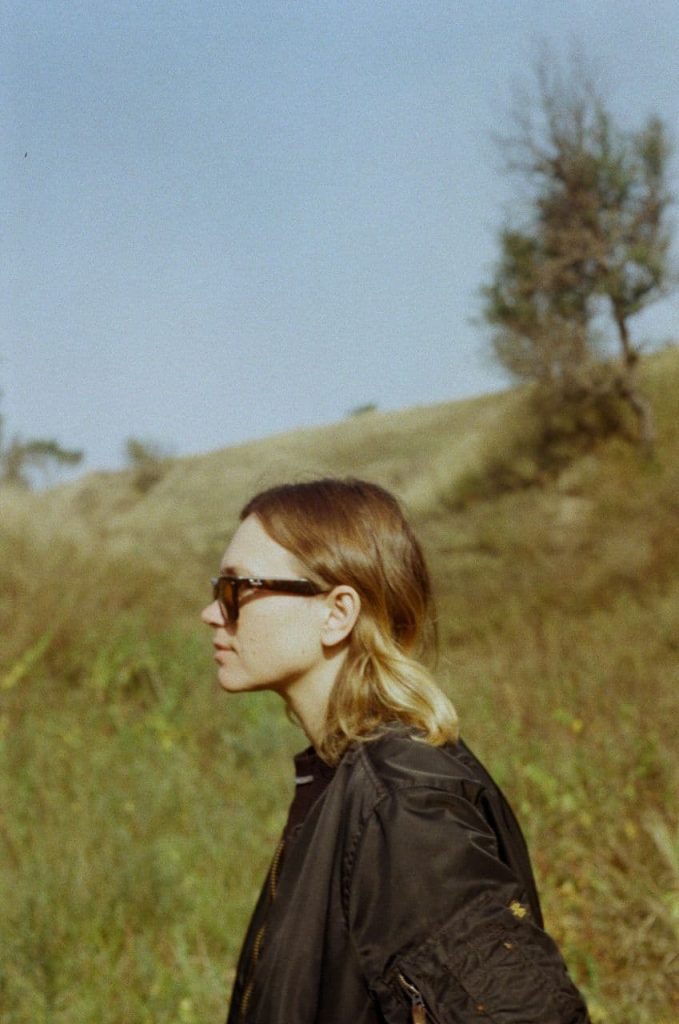
ASIA BAZDYRIEVA is a researcher at the Weibel Institute for Digital Cultures (The University of Applied Arts in Vienna). With a background in art history and analytical chemistry, she interrogates the ways in which environments are produced through mediations that intertwine aesthetic regimes, power, and technopolitics. While examining the material consequences of these processes on bodies and lands, she seeks to foreground political subjectivities that are often flattened through geopolitical modes of communication.
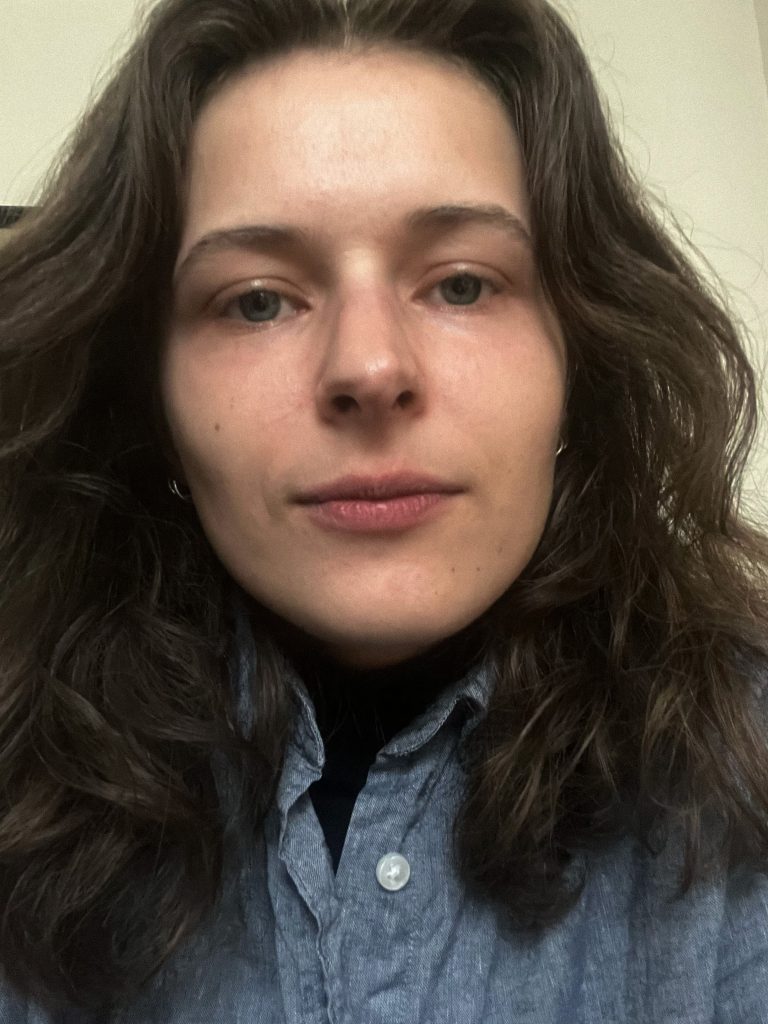
AGNĖ JOKŠĖ (b. 1993) artist and writer, currently based in Vilnius. Using the tools characteristic to autoethnography, Jokšė tells stories in which personal experiences and past events related to contemplations of love, intimacy, relations and friendship intertwine with imaginative reflections. Often works in mediums like video, and performative text, investigates questions concerning parallel histories, compassion, entangled relations, queerness and language.
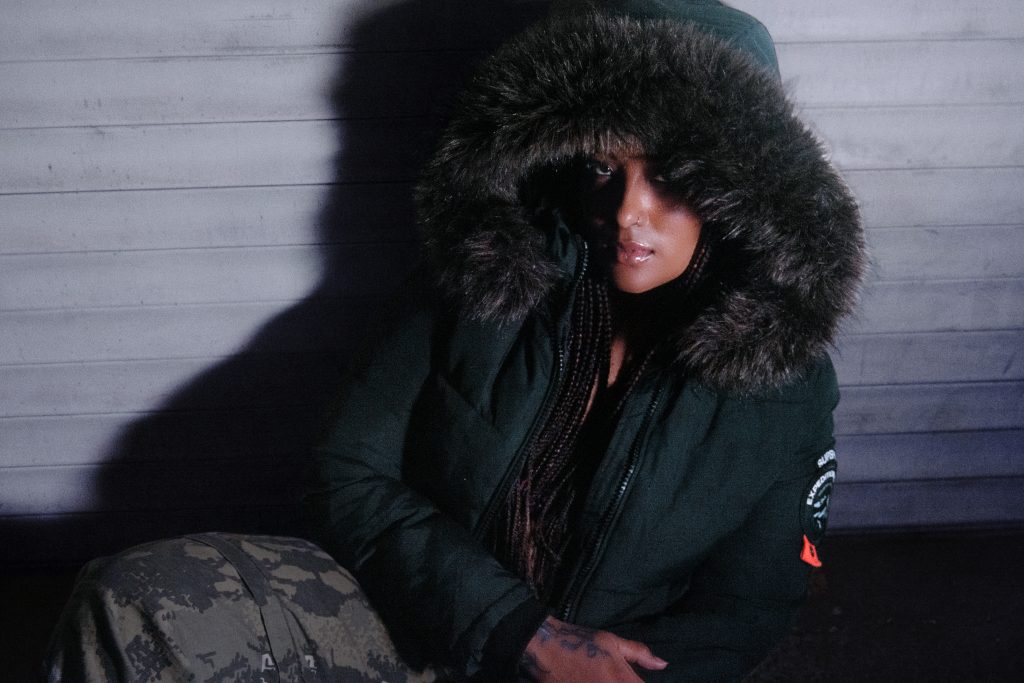
SOFTCHAOS is a intedisciplinary visual artist, experimental writer and musician interested in poetics, performance studies and critical theory. Their work often generates complex layers of meaning through the juxtaposition of basic elements such as language/text and sound/voice intutively, often recontextualizing appropriated materials. Seemingly straightforward, their work is often disjunctive in an attempt to elicit mulitplicity in translation and transmission. They are based in Berlin.
Selected writing and recent performances at exhibitions, groups shows and collaborative projects been presented recently at Kunst Werke of Contemporary Art (2025), Museu d’Art Contemporani de Barcelona (2024) and Institute of Contemporary Arts London (2026) and CTM (2025). As a dj, their performances include Sónar, Primavera Sound, Les Ardentes, Corsica Studios, Fabric London, Ancienne Belgique, and Amsterdam Dance Event, among others.
They have a MPhil from the University of Cambridge and a MSc from the Faculty of Law at the University of Oxford.
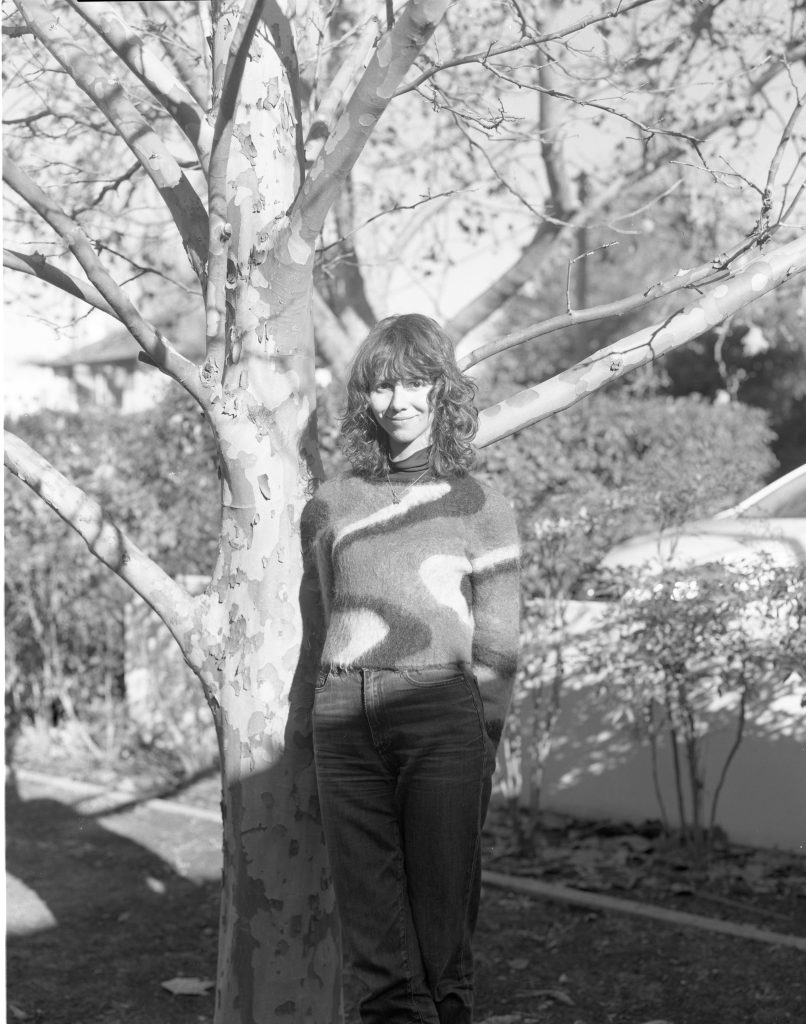
IRYNA ZAMURUIEVA is an artist and researcher. She’s currently writing a PhD dissertation on the history and political ecology of agriculture in Ukraine at the University of Oxford. Iryna is interested in photography, feminist theory, ecocriticism, the relationship between language and landscape, and the concept of “nature” in literary and scientific thought. Originally from Kropyvnytskyi, Ukraine, she worked on climate and land policy in Edinburgh for six years prior to starting her doctorate. She has recently been an artist in residence at Street Level Photoworks in Glasgow, a research fellow at the Institute for Human Sciences (IWM) in Vienna, a curator of an interdisciplinary art residency and of exhibitions at Climate Art Labs in Chernivtsi and Kyiv. Iryna also co-edits the Commons journal in Ukraine.